
Reviewed · MUSEUMS
Zagreb: Skip-the-Ticket-Line Museum of Broken Relationships
The Museum of Broken Relationships turns abandoned objects into small windows on love, anger, grief, and letting go. A donated item might seem ordinary at first, but its short anonymous story gives it emotional weight. I like the mix of sadness and humor, and I like that the stories include family and friendship, not only romance. The main thing to consider is the museum’s size: you may finish in 30 minutes, though careful readers can spend well over an hour.
I also like the low $8 price and the central Zagreb location, which make this an easy addition between other sights. Skip-the-line entry can save time at busy moments, but several visits found no queue, so it is a convenience rather than a guarantee of great value. The exhibition is compact, and reading every caption takes more time than simply walking through it.
In This Review
- Key points to know before you go
- What the Museum of Broken Relationships really is
- Reading the objects, one story at a time
- The emotional range, from comic to heartbreaking
- How long to allow for the visit
- Is the $8 ticket good value?
- When the small rooms become crowded
- Language and the best way to read the captions
- Visiting with a partner, friends, or family
- A practical plan for your Zagreb day
- Who should book the Museum of Broken Relationships?
- FAQ
- How much does entry to the Museum of Broken Relationships cost?
- How long does the museum visit take?
- Is skip-the-line entry always necessary?
- What does the museum display?
- Are the stories only about romantic relationships?
- What languages are used for the exhibit captions?
- Is the museum wheelchair accessible?
- Can I bring food, drinks, or large bags?
- What are the last entrance times?
Key points to know before you go
- Around 100 personal stories: Objects from people around the world are paired with anonymous accounts of relationships that ended.
- More than romantic breakups: The displays include stories about parents, grandparents, friends, identity, and addiction.
- A reading-focused visit: The objects are only half the experience. Give yourself time for the captions beside them.
- 30 to 75 minutes is realistic: A quick visit may take about half an hour, while careful readers can stay for roughly an hour and 15 minutes.
- Skip-the-line value varies: The museum can be quiet, but online entry gives you a simple way to avoid an unexpected wait.
- Small, accessible, and central: The museum is wheelchair accessible, accepts groups limited to 10 people, and fits neatly into a Zagreb walking day.
What the Museum of Broken Relationships really is
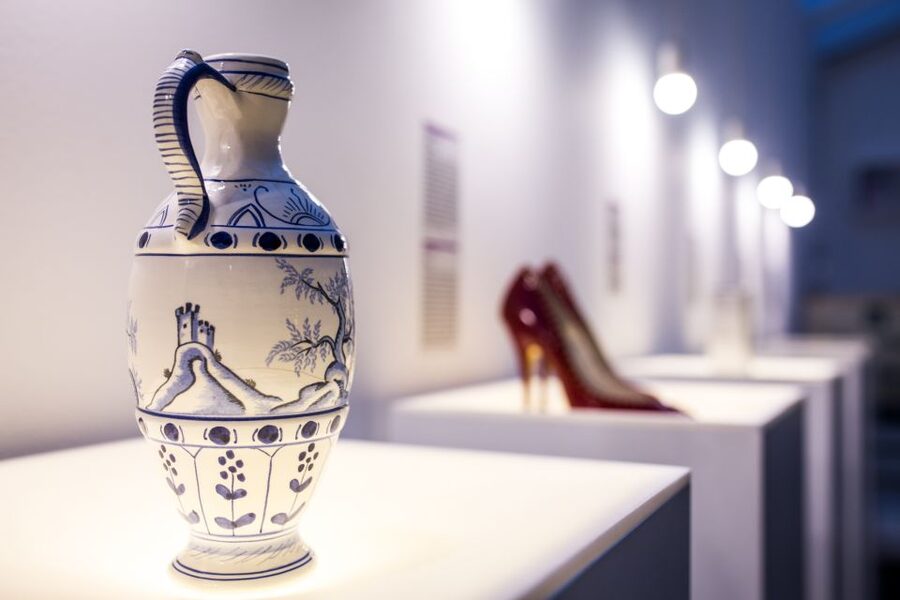
This is not a conventional museum of famous paintings, important rulers, or grand Croatian buildings. It is a collection of donated mementos from relationships that have ended, each paired with a short, personal account from the person who gave it.
The object itself may be plain. That is part of the idea. An everyday thing can carry a private history that nobody else would notice. Once you read the account beside it, the object becomes a record of affection, disappointment, resentment, or acceptance.
The stories are anonymous, so you are not looking at celebrity memorabilia or trying to match an object to a recognizable name. You are given only enough information to picture the emotional situation. That restraint helps keep the focus on the experience rather than the identity of the person involved.
I find the museum most effective when I slow down. The displays reward reading, not rushing. If you only glance at the objects, the visit can seem slight. If you read the captions carefully, the small rooms hold a surprising amount of feeling.
A few more Zagreb trips to weigh up
- Zagreb: Nikola Tesla Technical Museum Ticket
★ 4.5 · 520 reviews - Zagreb: Museum of Illusions Entrance Ticket
★ 4.0 · 261 reviews - Museum of Illusions Zagreb
★ 4.0 · 197 reviews
Reading the objects, one story at a time
The exhibition is arranged around objects and their accompanying stories. You move from one display to the next at your own pace, stopping when a particular item or caption catches your attention.
Some accounts are funny. Others are tender, angry, strange, or painful. A few are likely to make you pause longer than expected. The emotional range is the museum’s greatest strength because it avoids turning heartbreak into one single mood.
You might find a story that feels familiar, even if the object itself is not. Another may seem completely removed from your own life, yet still make sense as an example of how people try to hold on, get even, or move forward. The exhibition asks you to connect with the emotion rather than the exact event.
The displays are not limited to failed romantic partnerships. Family relationships, friendships, and other forms of personal loss also appear. That wider focus makes the museum more suitable for families and mixed-age groups than its name might suggest. One family visit included a teenager who enjoyed the mixture of poignant, emotional, and funny accounts.
Still, this is a museum built around text. If you dislike reading exhibition captions, you may find the visit less rewarding. One practical issue is that some descriptions are fairly small, and the museum can feel crowded when several people stop at the same display.
The emotional range, from comic to heartbreaking
The mood changes quickly. One object can bring a laugh, and the next can feel deeply sad. That sharp change is not a flaw. It reflects the uneven way people remember relationships in real life.
The humorous pieces give you a break from the heavier material. They also keep the museum from becoming solemn or self-important. Then a more serious account can catch you off guard, especially when the object looks almost meaningless until you read the words beside it.
I appreciate that the exhibition does not tell you how to feel. It does not offer a neat lesson for every breakup. Instead, you see revenge, love, regret, graceful acceptance, and unresolved pain placed next to one another.
Some accounts may feel less powerful than others. The quality is naturally uneven because the collection depends on personal donations, and not every story will speak to you. That is normal for a collection based on private memory. The reward comes from the variety.
If you are recently heartbroken, the visit could feel unusually personal. That may be exactly what you want, or it may be a reason to choose another museum for the day. The same applies to anyone who prefers lighter sightseeing. You should expect an emotional visit, not simply a quirky photo stop.
How long to allow for the visit
The museum’s size is both its strength and its limitation. You can fit it into a busy Zagreb itinerary without giving up half a day, but you should not judge the experience by the floor area alone.
Allow about 30 minutes if you plan to move quickly and read only selected captions. Around 45 minutes is a sensible middle ground. If you read every description, plan on roughly an hour to an hour and 15 minutes.
One careful reader described reading every word and enjoying every second. That tells you how much the timing depends on your habits. The museum is small, but each object adds a piece of text, and the reading soon becomes the main activity.
I would schedule it alongside other central Zagreb sights rather than making it the only plan for an entire afternoon. Its city-centre setting makes that easy. You can visit between walks, cafés, and other museums, with no transport arrangement required in the information provided.
The final admission time matters. From June 1 through September 30, the last entrance is at 7:30 PM. From October 1 through May 31, the last entrance is at 8:30 PM. Do not arrive at the closing hour and expect a relaxed reading visit.
Same stretch of coast, a completely different day out:
- From Zagreb: Plitvice & Rastoke Guided Day Trip with Ticket
★ 4.9 · 2,955 reviews - Zagreb: Rastoke & Plitvice Lakes Guided Tour with Ticket
★ 4.9 · 1,897 reviews - Communism & Croatian Homeland War Tour
★ 5.0 · 1,355 reviews - Best of Zagreb with the WW2 Tunnels
★ 5.0 · 973 reviews
Is the $8 ticket good value?
At $8 per person, this is an inexpensive museum visit by European city-break standards. The price works especially well for anyone who enjoys unusual exhibitions and wants something that feels different from a standard art collection.
The value depends on how you visit. If you spend only 20 minutes looking at the objects, the museum may feel tiny. If you read the stories and give the exhibition time to work on you, the same ticket can provide an hour of thoughtful entertainment.
The skip-the-line feature deserves a realistic assessment. It is useful if the entrance is busy or if you have a tightly timed day. But the museum is not always crowded. Several visits found no queue, including some in summer and evening periods, so you may not need priority entry on a quiet day.
That does not make the ticket a poor choice. Online entry can remove one small uncertainty from your schedule, and the price is modest. I would value it most during a busy time of day, in peak summer, or when you want to walk straight in without checking the ticket desk.
When the small rooms become crowded
A compact museum needs sensible crowd control. One visit found the space comfortable at first but noticeably crowded and hot later on. That matters here because people stop to read, and several people can gather around one object.
If you have flexibility, an early or later visit may give you more breathing room. The supplied information confirms last entrance times, but it does not promise a particular quiet period, so treat timing as a practical suggestion rather than a rule.
A small group limit of 10 participants is listed for the experience. That helps keep the organized entry personal, although the general flow inside can still vary with the number of people already in the rooms.
The museum is wheelchair accessible, which makes this compact indoor stop easier to consider when planning a Zagreb day. Food and drinks are not allowed in the exhibition, and large bags or luggage are also not permitted. Travel light if you can, especially if you are visiting between train or bus connections.
A café bar has also been associated with the museum, with coffee, cocktails, and occasional live music reported during one visit. The supplied activity details do not define the café as part of the ticket, so treat it as an extra rather than a guaranteed part of the experience.
Language and the best way to read the captions
The main exhibit captions are in Croatian and English. If you need another language, QR codes or booklets are available for the other languages offered at the museum.
This is important because the written stories carry most of the meaning. The objects alone rarely explain themselves. If you read English comfortably, you can follow the exhibition directly. If not, give yourself extra time to use a QR code or booklet.
I recommend reading the full caption whenever possible. The best part of each display is often the gap between the ordinary object and the extraordinary emotion attached to it. Skimming that text turns a personal story into a prop.
The reading setup may not suit everyone. One visitor felt some descriptions could have been larger, even though there was room to do so. If you have difficulty reading small text, the language tools may help, but the museum’s central experience still depends on written material.
Visiting with a partner, friends, or family
The name can make the museum sound like an awkward date activity. It does not have to be. The collection includes enough humor and enough stories about non-romantic relationships to work for a wide range of company.
With a partner, you may find the displays prompt thoughtful conversation, though some accounts can also feel uncomfortable. With friends, the mixture of odd objects and emotional stories gives you plenty to discuss afterward.
Families should use their judgment. The collection is not described as a children’s attraction, but a family with a teenager found it enjoyable. The content includes loss, addiction, identity, family conflict, and heartbreak, so adults should decide if those themes suit younger children.
Solo visitors may get the most control over the pace. You can stop at every caption without worrying that someone else is ready to leave. At the same time, the museum’s focus on shared human feelings can make it a warm place to visit alone.
The staff are described as friendly and helpful, and one organized visit included a guide named Diana, who was described as informative and fun. The standard details provided here focus on museum entry rather than a guaranteed guided tour, so do not assume Diana or a guide will accompany every booking.
A practical plan for your Zagreb day
I would place this museum in the middle of a central Zagreb walking route. The city-centre location makes it easy to combine with other stops, and the short visit leaves room for a market, church, café, or another museum.
Buy the ticket in advance if you value a simple arrival and want to keep your schedule tidy. If you are visiting during a quiet period and do not mind buying at the door, the skip-the-line part may add little.
Arrive with enough time to read. A rushed 15-minute stop will show you the concept but not the experience. For most people, 45 to 60 minutes is a better target.
Keep food and drinks outside the exhibition, and avoid bringing large bags or luggage. If you arrive early, entry may sometimes be possible before your booked time, but this is not guaranteed. One visitor who arrived 30 minutes early was allowed in, so asking politely may help when space permits.
The ticket allows free cancellation up to 24 hours in advance, and you can reserve now and pay later. Those terms are useful if your Zagreb plans may change, especially around weather or transport.
Who should book the Museum of Broken Relationships?
I would book this if you enjoy museums built around real human stories, unusual collections, and plenty of reading. It is a strong choice for a short Zagreb visit because the price is modest, the location is central, and the visit can be as brief or thoughtful as your schedule allows.
You should also book it if you want a break from traditional sightseeing. The museum offers no grand architecture or famous masterpieces. Its appeal is the way an everyday object can carry an entire relationship once you know the story.
I would hesitate if you want a large museum with many rooms, interactive attractions, or little text. The exhibition is small, some captions may feel too brief, and busy periods can make the rooms warm and crowded.
For most visitors, the $8 cost makes the decision easy. If you have an hour in central Zagreb and are open to a visit that may make you laugh, think, or feel unexpectedly sad, book it. If your time is extremely short, check the queue situation and go only if you can give the stories more than a quick glance.
FAQ
How much does entry to the Museum of Broken Relationships cost?
The entry ticket costs $8 per person.
How long does the museum visit take?
A quick visit can take about 30 minutes. If you read most or all of the captions, plan for roughly 45 minutes to 1 hour and 15 minutes.
Is skip-the-line entry always necessary?
No. The museum can be quiet, and some visits found no queue. Skip-the-line entry is most useful when you want to avoid the possibility of waiting.
What does the museum display?
It displays mementos from past relationships alongside personal, anonymous stories from the people who donated them.
Are the stories only about romantic relationships?
No. The collection also includes stories connected with parents, grandparents, friends, identity, and addiction.
What languages are used for the exhibit captions?
The main captions are in Croatian and English. Other available languages can be accessed through QR codes or booklets.
Is the museum wheelchair accessible?
Yes, the activity information states that the museum is wheelchair accessible.
Can I bring food, drinks, or large bags?
No. Food and drinks are not allowed, and luggage or large bags are not permitted.
What are the last entrance times?
From June 1 through September 30, last entrance is at 7:30 PM. From October 1 through May 31, last entrance is at 8:30 PM.
Just added around Zagreb
- Toast to the Morning After: Zagreb Museum of Hangovers Visit★ 4.0 · 39 reviews
- From Split: Transfer to Zagreb with Stop at Plitvice Lakes★ 4.6 · 44 reviews
- Private Walking Tour of Zagreb★ 4.9 · 5 reviews
- Jump into Zagreb: Walking Tour with local guide★ 4.8 · 3 reviews
- From Zagreb to Plitvice Lakes and Rastoke – Private day tour★ 5.0 · 4 reviews
- From Zagreb: Varazdin Baroque Town & Trakoscan Castle★ 4.9 · 38 reviews
- From Zagreb: Plitvice Lakes & Rastoke Private Tour★ 5.0 · 9 reviews
- From Zagreb: Mrežnica kayaking & Rastoke village – day trip★ 4.9 · 27 reviews
Museums, compared.

Blue Lagoon & Underwater Museum from Split with Lunch & Drinks
Read our review →
PREMIUM Emperor’s Walking Tour for History Lovers + Museum
Read our review →
Klis Fortress GOT and Olive Museum Entry Tickets
Read our review →
Browse the lists this tour appears in