
Reviewed · MUSEUMS
Museum of Illusions Zagreb
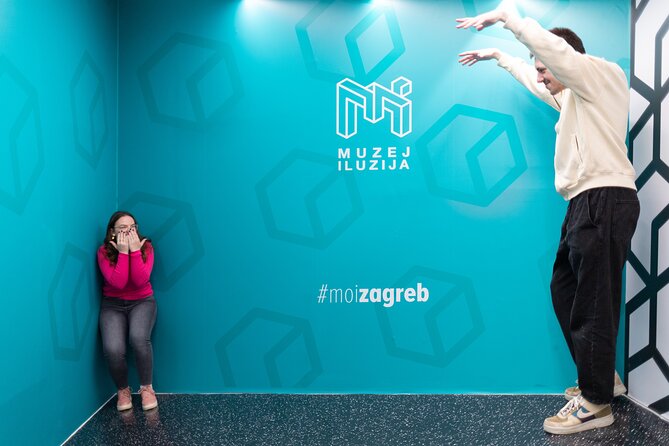
The upside room and bottomless pit get the attention, but the real appeal is how quickly this museum gets you playing. You can test visual tricks, pose for funny photographs, and try puzzles instead of simply looking at displays. I especially like the hands-on format and the fact that captions appear in both Croatian and English. You can explore at your own pace, too.
I also like the central location and short visit length. An hour fits neatly between Zagreb sights, and the mobile ticket gives you a planned entry. The main caution is size: more than 70 exhibits sounds substantial, but the museum is small, and some people may find the $14.42 admission high for an hour of entertainment.
In This Review
- Quick points before you book
- What the Museum of Illusions Zagreb is really like
- Start with the biggest photo opportunities
- Give the puzzles in the Smart Playroom a fair chance
- Why the one-hour format works in Zagreb
- Is $14.42 good value?
- Who will enjoy this most?
- A practical route through the visit
- Strengths and limits in plain terms
- Should you book the Museum of Illusions Zagreb?
- FAQ
- How long does a visit to the Museum of Illusions Zagreb take?
- What is included with admission?
- Is the museum suitable for children?
- Are the captions available in English?
- Is the museum accessible by public transportation?
- Are service animals allowed?
- Is there a limit on group size?
- Can I cancel for a refund?
Quick points before you book
- More than 70 interactive exhibits: Expect optical tricks, physical puzzles, and photo-friendly rooms rather than traditional museum cases.
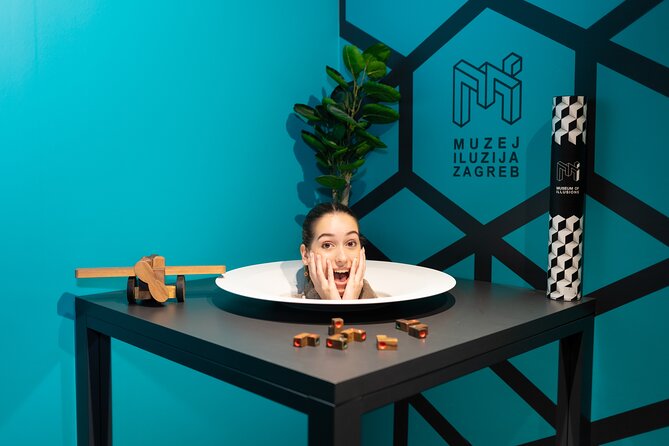
- The upside room and bottomless pit: These are the signature set pieces and give you the best chance for memorable pictures.
- A Smart Playroom with puzzles: More than 100 dilemma games, puzzles, and jigsaw puzzles add a thinking element to the visual fun.
- A practical one-hour stop: The visit works well as a break between Zagreb’s larger sights, though some people stay up to an hour and a half.
- English-friendly presentation: Captions are written in Croatian and English, so you can follow the explanations without needing a guide.
- Best with company: Children, couples, families, and groups of friends can get more from the photo and puzzle activities than a solo visitor.
What the Museum of Illusions Zagreb is really like

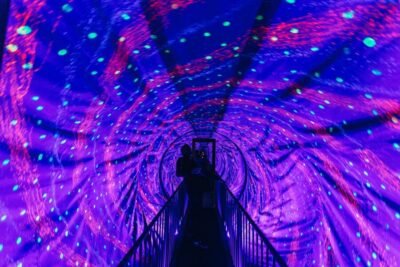
This is not a quiet museum built around old objects or long labels. It is a compact attraction where you interact with the displays, test your senses, and take part in the joke. The exhibits play with scale, balance, perspective, depth, and the way your eyes interpret a scene.
That difference matters when you decide how to spend your time in Zagreb. If you want art, archaeology, or Croatian history, this is not the place to fill that need. If you want an easy, lighthearted activity that gets both adults and children involved, it makes a useful change of pace.
The museum describes its program as visual, sensual, educational, and social. In practical terms, that means you are not expected to stand back and keep your hands to yourself. You will likely be invited to look, touch, solve, compare, and pose. The fun comes from seeing how a simple setup can fool your eyes.
The captions are in Croatian and English. That makes the exhibits easier to follow, especially when a display needs a short explanation before the effect makes sense. You do not need a guide for the basic experience, and the supplied details do not name an individual guide.
A few more Zagreb trips to weigh up
- Zagreb: Skip-the-Ticket-Line Museum of Broken Relationships
★ 4.5 · 847 reviews - Zagreb: Nikola Tesla Technical Museum Ticket
★ 4.5 · 520 reviews - Zagreb: Museum of Illusions Entrance Ticket
★ 4.0 · 261 reviews
Start with the biggest photo opportunities
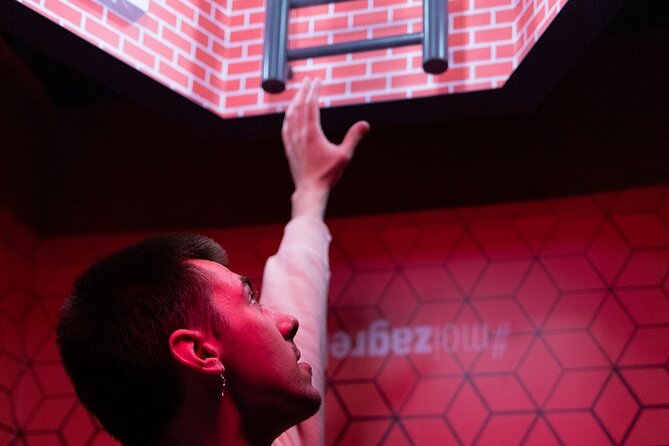
The upside room is the kind of exhibit that explains why you should bring your camera. It creates the impression that the room has been turned around, giving you a chance to pose as if you are standing on a ceiling or moving through an impossible interior.
The bottomless pit works in a similar way. It uses the appearance of depth to make a small space feel far more dramatic. You are not simply viewing an illusion from behind a barrier. You become part of the image, which is why going with a friend or family member helps.
I would plan to take photographs at these displays rather than rushing through them. The best part is often the finished picture and the shared laugh afterward. If you are visiting alone, you can still examine the illusion, but some of the photo setups may be less satisfying without someone else to take the picture.
The museum also has other visual and sensory displays. The supplied information does not give a full room-by-room list, so you should expect variety without planning around a precise sequence. The attraction is the collection as a whole, not one long narrative route.
Give the puzzles in the Smart Playroom a fair chance
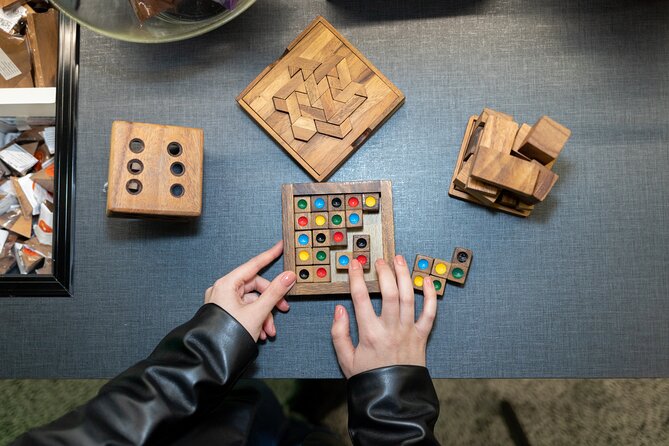
The Smart Playroom adds more than a line of optical tricks. It includes didactic games, with more than 100 dilemma games, puzzles, and jigsaw puzzles available to try. This is where the visit shifts from look at this strange effect to can you work this out?
That change helps the museum appeal to different ages. A young child may enjoy the visual rooms, while an older child or adult may spend more time trying to solve a puzzle. The museum is not only a photo stop, even though photographs are a major part of its appeal.
You can also buy several games to continue the activity at home. That may improve the value for families who enjoy puzzles and want something beyond the admission itself. It is an optional extra, though, and food and drinks are not included.
The puzzle area is also a good reason not to race through the museum in 20 minutes. The usual visit lasts about an hour, and some people spend between one hour and one and a half hours there. Your timing will depend on how long you spend testing each game and waiting for space at a popular exhibit.
Why the one-hour format works in Zagreb
A one-hour museum can sound slight, but here the shorter format is part of the attraction. Zagreb has plenty of places where you can spend half a day, yet not every stop needs to claim that much of your schedule. This museum gives you a contained activity with a clear beginning and end.
I would use it on a day when you already have other plans. The centrally located setting makes it easier to pair with a walk through the city center, though the supplied information does not identify the exact street or nearby landmarks. It is also near public transportation, so you do not need to build a complicated transfer around it.
The stated start time is 9:00 am. Since the attraction is visited at a time that suits your schedule, check the time shown on your mobile ticket and plan to arrive ready for entry. Pre-buying guarantees admission, which is useful if you are organizing a family day or working with a tight sightseeing plan.
The group size is capped at 30 people. That is not the same as a private tour, and the rooms may still feel busy at popular displays. Still, a limit of 30 helps give the museum some structure and is preferable to an open-ended crowd for exhibits that require participation.
Same stretch of coast, a completely different day out:
- From Zagreb: Plitvice & Rastoke Guided Day Trip with Ticket
★ 4.9 · 2,955 reviews - Zagreb: Rastoke & Plitvice Lakes Guided Tour with Ticket
★ 4.9 · 1,897 reviews - Communism & Croatian Homeland War Tour
★ 5.0 · 1,355 reviews - Best of Zagreb with the WW2 Tunnels
★ 5.0 · 973 reviews
Is $14.42 good value?
At $14.42 per person, the museum is priced as a paid attraction rather than a quick free stop. The value depends on what you want from the visit. If you enjoy taking pictures, solving puzzles, and trying every hands-on display, an hour or more can feel worthwhile. If you mainly want to look around, the compact size may make the price feel steep.
I would judge the cost by your group. A family can share the fun of posing, comparing results, and working through games together. Couples and friends can also make the exhibits more entertaining because many of them work best as shared activities. A solo visitor receives the same admission, but may miss some of the social and photographic appeal.
The ability to continue the fun with purchased games may matter to families. It does not change the admission price, and the cost of those games is not provided, so treat them as optional rather than part of the value calculation.
Pre-buying is most useful when timing matters. You receive a mobile ticket and guaranteed entry, but you are not paying for food, drinks, hotel pickup, or hotel drop-off. Since the museum is central and near public transportation, the lack of transfers is not a serious drawback for most city-center plans.
Who will enjoy this most?
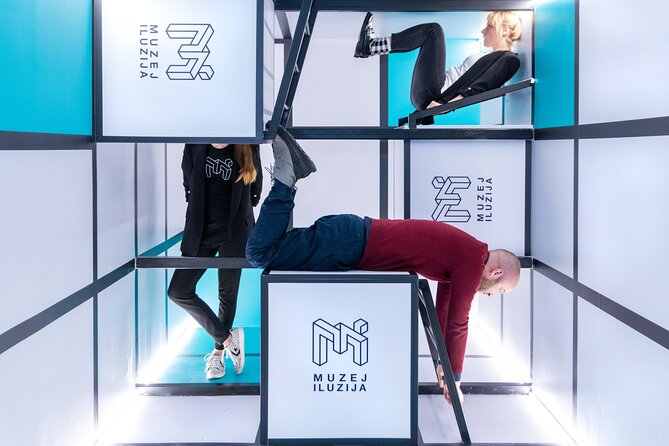
This is a strong choice for families with children, especially when adults are willing to play along. Children must be accompanied by an adult, and a four-year-old can find the displays entertaining, according to the supplied visitor information. The museum is not only for children, though. Parents, couples, grandparents, and friends can all take part.
It is also useful on a rainy day or whenever you need something less formal. The experience is casual, social, and educational without requiring a long attention span. You can read the Croatian and English captions, try the displays, and move on when you have had enough.
Friends should bring a camera and allow time for repeated photographs. You may want to switch places, try a different pose, or ask another person to frame the image. This is one of those attractions where the interaction matters more than the building itself.
Solo visitors should think carefully before booking. You can certainly inspect the illusions and solve the puzzles on your own, but several displays are more fun when someone else can join the scene or take a picture. One harsh assessment also raised concerns about basic exhibits, heat, access for people with disabilities, and the experience for solo visitors. The available information does not provide a detailed accessibility statement, so anyone with mobility needs should confirm access directly before paying.
Service animals are allowed, and most people can participate. Children need an accompanying adult. Dress is casual, and bringing a camera is encouraged.
A practical route through the visit

Start by checking in with your mobile ticket, then give yourself time to understand how the exhibits work. The captions in Croatian and English should help you move from one display to the next without a formal guide.
Next, focus on the large visual installations. The upside room and bottomless pit are natural early stops because they make strong photographs and show the museum’s basic approach. Try the effect yourself before spending too long composing a picture. Once you understand the trick, you can decide how much time the photo is worth.
After the larger installations, spend time in the Smart Playroom. This is the part most likely to extend your visit beyond a quick photo stop. Work through the puzzles at your own pace, and consider buying a game only if you genuinely want to continue at home.
Finish with any displays you skipped when the museum was busy. The small size makes it possible to revisit a favorite exhibit, though the experience can feel crowded if several groups arrive at once. A maximum of 30 people helps, but it does not guarantee an empty room.
Strengths and limits in plain terms
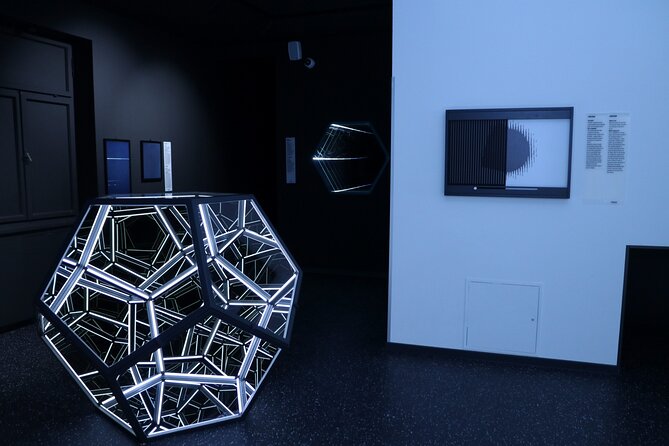
The strongest feature is participation. You do not have to be an expert, and you do not need much preparation. The museum explains the displays clearly, and the mix of visual illusions and puzzles gives the visit more range than a row of photo rooms alone.
The second strength is flexibility. An approximate one-hour stay fits many itineraries, and the central location reduces travel time. English captions help international visitors, while the mobile ticket makes advance planning simple.
The limits are just as clear. This is a small museum, and several people have found the space too limited for the price. The exhibits are designed for fun and basic learning, not for a detailed scientific course on perception. If you expect a large institution with extensive galleries, you may leave disappointed.
Heat and disability access deserve a little thought as well. The supplied information confirms service animals and says most people can participate, but it does not spell out full access details. Contact the provider before booking if ramps, stairs, room width, or temperature are important to you.
Free cancellation is available if you cancel at least 24 hours before the local start time. A cancellation made less than 24 hours in advance is not refunded, and late changes are not accepted. That gives you some protection while planning, but it is not a last-minute flexible ticket.
Should you book the Museum of Illusions Zagreb?
Book it if you want an easy, playful hour in central Zagreb and your group enjoys photographs, visual tricks, and puzzles. It is especially well suited to families, couples, and friends who will take part rather than simply walk through.
Think twice if $14.42 feels high for a compact attraction, if you prefer traditional museums, or if you are visiting alone and mainly want to take pictures of yourself. Also confirm access details in advance if anyone in your party has a disability.
My call: a good short stop for playful groups, with the best value coming from shared participation and time in the Smart Playroom. Keep your expectations modest about size, bring a camera, and allow about an hour to an hour and a half rather than treating it as a major half-day museum.
FAQ
How long does a visit to the Museum of Illusions Zagreb take?
The visit lasts about one hour on average. Some people spend between one hour and one and a half hours, depending on how long they play with the exhibits and puzzles.
What is included with admission?
Admission includes entry to the Museum of Illusions Zagreb. Food, drinks, hotel pickup, and hotel drop-off are not included.
Is the museum suitable for children?
Yes. The museum is designed for children and adults, and children must be accompanied by an adult.
Are the captions available in English?
Yes. Museum captions are written in both Croatian and English.
Is the museum accessible by public transportation?
The museum is near public transportation and is centrally located in Zagreb. Detailed accessibility information for people with disabilities is not provided.
Are service animals allowed?
Yes. Service animals are allowed.
Is there a limit on group size?
Yes. The activity has a maximum group size of 30 people.
Can I cancel for a refund?
Yes, if you cancel at least 24 hours before the experience start time. Cancellations made less than 24 hours before the start time are not refunded, and late changes are not accepted.
Just added around Zagreb
- Toast to the Morning After: Zagreb Museum of Hangovers Visit★ 4.0 · 39 reviews
- From Split: Transfer to Zagreb with Stop at Plitvice Lakes★ 4.6 · 44 reviews
- Private Walking Tour of Zagreb★ 4.9 · 5 reviews
- Jump into Zagreb: Walking Tour with local guide★ 4.8 · 3 reviews
- From Zagreb to Plitvice Lakes and Rastoke – Private day tour★ 5.0 · 4 reviews
- From Zagreb: Varazdin Baroque Town & Trakoscan Castle★ 4.9 · 38 reviews
- From Zagreb: Plitvice Lakes & Rastoke Private Tour★ 5.0 · 9 reviews
- From Zagreb: Prehistoric and Medieval Croatia Tour★ 4.9 · 3 reviews
Museums, compared.
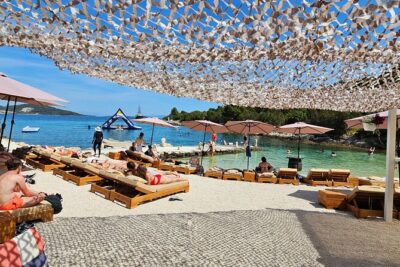
Blue Lagoon & Underwater Museum from Split with Lunch & Drinks
Read our review →
Skip-the-Ticket-Line Museum of Broken Relationships
Read our review →
PREMIUM Emperor’s Walking Tour for History Lovers + Museum
Read our review →
Klis Fortress GOT and Olive Museum Entry Tickets
Read our review →
Browse the lists this tour appears in