
Reviewed · ZAGREB TOURS
Best of Zagreb with the WW2 Tunnels
Zagreb’s most useful introduction may be underground. This private walking tour links the city’s main square, market, cathedral, medieval gates, upper-town landmarks, and the Grič Tunnel, built during the Second World War. You get the city’s public face and a look at one of its stranger hidden spaces in the same morning.
I like the stop at Dolac Market, where Zagreb’s daily life is easier to read than in any museum. I also like the local guide format. Guides such as Diana, Darko, Ena, Ivana, Iva, and Kristina bring in family stories, humor, food tips, and modern Croatian life rather than giving you a dry list of dates.
The main consideration is the walking. You’ll handle hills, stairs, and uneven old-town streets, and the tour may finish in about two hours rather than the advertised two and a half to three. Some buildings may also be closed for earthquake repairs, so this is mainly an exterior walking tour.
In This Review
- Key points to know before booking
- Why this short Zagreb walk works
- Ban Jelačić Square: Zagreb’s natural starting point
- Zagreb Cathedral and the changing city center
- Dolac Market and the belly of Zagreb
- Bloody Bridge and the Old Town entrance
- Stone Gate and the uphill Old Town walk
- St. Mark’s Square and the heart of government
- Grič Tunnel: a different side of Zagreb
- How much time should you set aside?
- What the $23.98 price gets you
- Who will get the most from this walk?
- FAQ
- Where does the Zagreb walking tour start?
- What time does the tour begin?
- Where does the tour end?
- How long does the tour last?
- What places are included?
- Is this a private tour?
- Can I cancel for a full refund?
- Should you book Best of Zagreb with the WW2 Tunnels?
Key points to know before booking
- The Grič Tunnel adds a wartime chapter to a tour otherwise focused on squares, churches, markets, and medieval streets.
- Dolac Market is the best local-life stop, with a short visit to Zagreb’s open-air food market, known as the city’s belly.
- Private guiding keeps the conversation personal, with a maximum group size of 15 and a certified local guide who has led more than 500 tours.
- The route covers Zagreb’s essential old center, including Ban Jelačić Square, the Cathedral, Bloody Bridge, Stone Gate, and St. Mark’s Square.
- Expect a compact morning walk, starting at 10:30 a.m. and returning to the same meeting point.
- The price is modest for a private format, at $23.98 per person, though the exact value depends on how many people are in your booking.
Why this short Zagreb walk works
If you have only one morning in Zagreb, this tour gives you a sensible first look. It begins in the city’s main square and moves uphill into the Old Town, so the route has a natural story: modern public life below, old streets and government buildings above, then a wartime tunnel beneath it all.
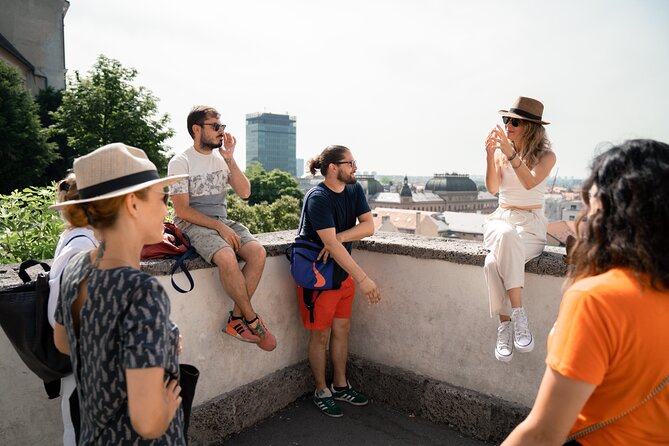
The guide is the key part of the experience. A good city walk should help you understand how a place works today, not just point at old façades. The strongest guide accounts here come from Diana, Darko, Ena, Ivana, Iva, and Kristina, who are described as warm, funny, proud of Zagreb, and able to explain Croatian history and customs in clear English.
I especially like the reported mix of facts and personal perspective. Ena, for example, is noted for talking about her own life in Zagreb and suggesting places to eat and things to do after the tour. Darko is praised for a dry sense of humor and an easy pace. Diana uses wit to keep historical material moving. Those details matter because a private or small-group walk should feel like a conversation, not a recording played outdoors.
The group can reach 15 people, so do not assume the word private always means a guide exclusively for just you and your companions. The booking information describes a private experience, while the stated maximum is 15 participants. If personal attention is your top priority, check the booking terms for your selected date.
Other Zagreb days people book alongside this one:
- From Zagreb: Plitvice & Rastoke Guided Day Trip with Ticket
★ 4.9 · 2,955 reviews - Zagreb: Rastoke & Plitvice Lakes Guided Tour with Ticket
★ 4.9 · 1,897 reviews - Communism & Croatian Homeland War Tour
★ 5.0 · 1,355 reviews
Ban Jelačić Square: Zagreb’s natural starting point
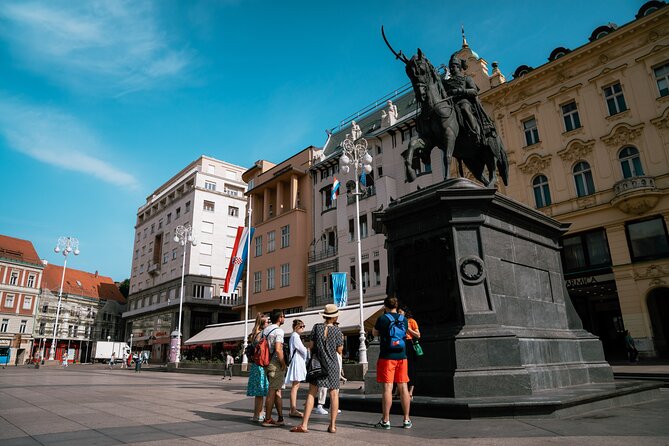
Meet at the monument to Ban Josip Jelačić in Ban Jelačić Square at 10:30 a.m. This is an easy place to find in central Zagreb, and the opening 20 minutes are used to set up the city’s story and explain the route.
The square is the right starting point because it connects several parts of Zagreb. From here, your guide can explain how the lower city relates to the older upper town and point out the role of the square in local public life. You are not simply being sent from landmark to landmark. You begin with a sense of how the city is arranged.
This first stop also gives you time to identify your guide and settle into the group. Look for a guide who keeps the introduction lively and leaves room for questions. The strongest feedback about this tour centers on guides who balance facts with humor, so the opening conversation is a useful sign of how the rest of the walk will feel.
Zagreb Cathedral and the changing city center

The Cathedral of Zagreb receives about 20 minutes. Your guide explains why it is one of Croatia’s most important and tallest buildings, along with its place in the city’s religious and architectural life.
You should keep expectations realistic about going inside. Earthquake damage from 2020 has affected some Zagreb churches and historic buildings, and at times interiors have been closed for repair. The supplied information makes clear that the tour does not depend on entering those buildings, but access conditions can still affect what you see on the day.
That is not a reason to skip the stop. The Cathedral remains an important visual marker in central Zagreb, and a local explanation helps you read more than its height and façade. Still, if entering grand churches is your main goal, this walk may leave you wanting a separate visit once restoration work allows it.
Dolac Market and the belly of Zagreb
Next comes Dolac Market, with about 10 minutes set aside for the visit. Called the Belly of the City, this green market is one of the most useful stops for understanding ordinary Zagreb.
The time is short, so think of this as an introduction rather than a full food tour. You get a look at the place where locals buy fresh goods and a chance to hear about food traditions and daily habits. The tour highlights also mention sampling local specialties, so this is the point where the walk’s food element is most relevant.
I like this stop because markets reveal a city quickly. Monuments tell you what a city wants to preserve. A market shows you how people spend part of a normal morning. Your guide can add context that you would likely miss while browsing on your own, then suggest places to eat after the walk.
If you want a slow market breakfast, allow extra time after the tour. Ten minutes is enough to orient yourself, but not enough to linger over every stall or make the market a major meal.
Same stretch of coast, a completely different day out:
- Plitvice Lakes with Ticket & Rastoke Guided Tour from Zagreb
★ 5.0 · 966 reviews - Zagreb: Small Group Walking Tour City Center and WW2 Tunnels
★ 4.9 · 895 reviews - Zagreb: Skip-the-Ticket-Line Museum of Broken Relationships
★ 4.5 · 847 reviews - Zagreb: City and WWII Tunnels Walking Tour
★ 4.9 · 845 reviews
Bloody Bridge and the Old Town entrance
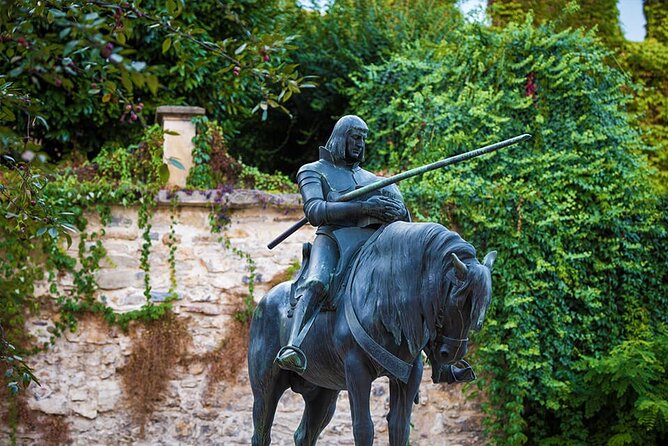
Krvavi Most, or Bloody Bridge, is scheduled for about 15 minutes. The name refers to the former bridge and to battles and disputes connected with the site. Today it is a street, but the name preserves a more troubled chapter of Zagreb’s past.
This is a good example of why a guide helps. Without context, you might walk through the street and notice little beyond its old-town setting. With an explanation, the place becomes a clue to the divisions and conflicts that shaped Zagreb before the city grew into its modern form.
The route then reaches Petrini Pyli, a historic entrance to the Old Town. Here you’ll see a chapel dedicated to the city’s patron saint and check one of the world’s oldest pharmacies, according to the tour description. The stop lasts about 10 minutes.
These are quick visits, but they create a strong sense of transition. You move from the broad central square into a more enclosed, medieval part of Zagreb. The route is not designed for long interior tours at each location. It is designed to give you the outline, then let the guide fill in the meaning.
Stone Gate and the uphill Old Town walk
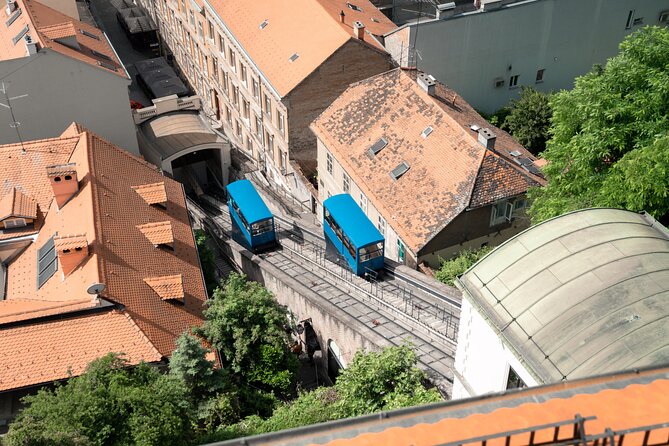
The highlights include Zagreb’s Stone Gate, while the itinerary identifies Petrini Pyli as the historic entrance area. Together, these stops introduce the old defensive edge of the upper town and its religious traditions.
The walk through this part of Zagreb is where the physical demands become more noticeable. One direct account describes plenty of walking, hills, and many stairs, while also finding the effort worthwhile. Wear shoes you can trust on slopes and old paving, and bring water, especially in warm weather.
The tour information also refers to a funicular ride to the Old Town. The listed stop sequence does not give a separate duration or ticket detail for the ride, so confirm the exact arrangement when booking. Either way, you should expect an uphill section and should not plan this as a flat stroll.
St. Mark’s Square and the heart of government
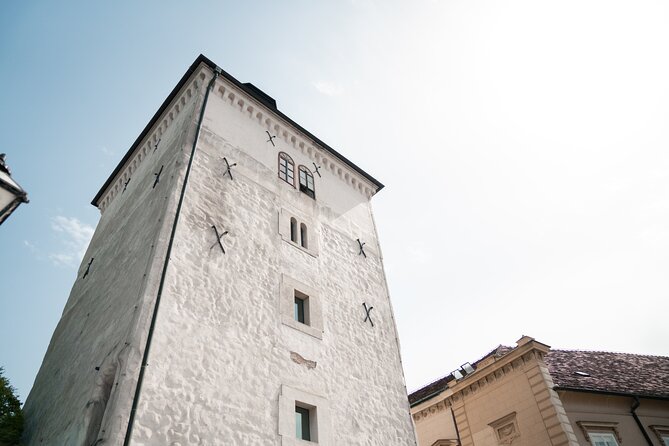
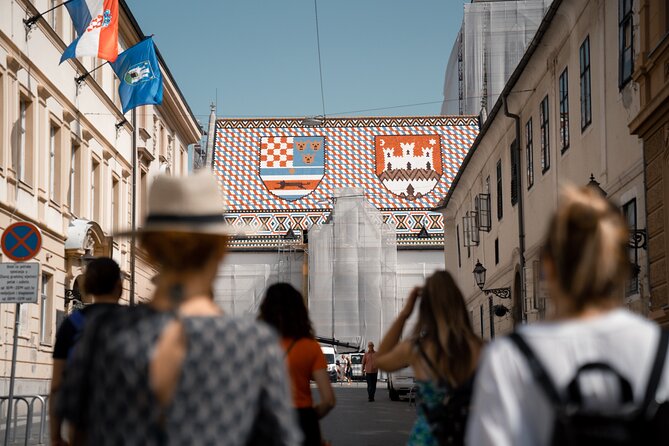
St. Mark’s Square receives about 20 minutes and is one of the walk’s strongest visual stops. You’ll see St. Mark’s Church with its colorful roof, along with the Croatian Parliament and Government buildings.
The square brings together religion, national politics, and Zagreb’s upper-town setting. Your guide can explain Croatian symbols and traditions while you take in the church roof, which is one of the most recognizable details in the city.
This is also a place where the guide’s timing matters. Government buildings may be viewed from outside, and church access can change because of repair work. The value lies in the explanation and the setting, not in a guaranteed interior visit.
I would not rush through this square after the official stop. If your guide gives you a few extra minutes, use them for photographs and questions. If the tour is running close to two hours, you may need to return later on your own for a slower look.
Grič Tunnel: a different side of Zagreb
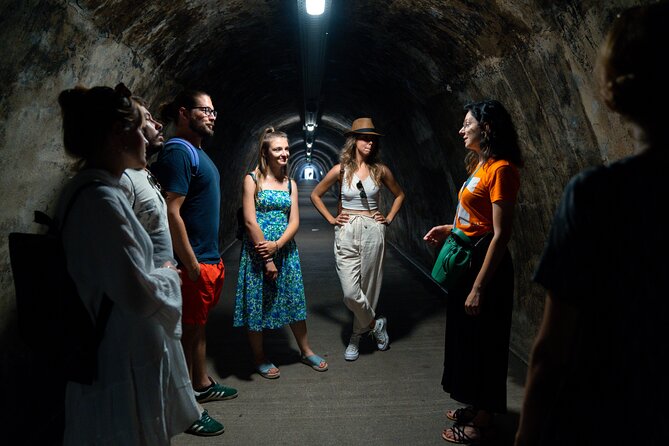
The final listed stop is Tunel Grič, also called the Grič Tunnel, with about 20 minutes inside. The tunnel was built during the Second World War under fascist rule, giving the tour a darker and more recent historical layer.
This changes the mood of the walk. For most of the morning, you are looking at churches, squares, market stalls, and old streets. Underground, the focus shifts to fear, wartime protection, and the physical spaces created in response to conflict.
The tunnel is not treated as a separate long museum visit. It is a compact stop within a city walk, but it adds something unusual that many standard Zagreb introductions leave out. If you enjoy history that is tied to actual places, this may be the most memorable part of the route.
The tunnel can also be a practical break from the sun or rain, though the provided details do not promise any particular conditions inside. Keep in mind that the tour ends back at the starting point, so the guide may lead you through the center again after the tunnel depending on the final route and timing.
How much time should you set aside?
The stated duration is approximately two hours and 30 minutes, while the highlights describe the experience as a two to three-hour walk. One participant’s tour lasted exactly two hours and still covered the planned sights.
That variation is useful to know. You should reserve at least three hours around the activity if you have a fixed lunch, museum booking, or transport connection afterward. The scheduled stop times add up to roughly two hours, and guiding pace, questions, stairs, photographs, and local conditions can change the finish time.
Starting at 10:30 a.m. is practical for a first day in Zagreb. You get an orientation before the afternoon, and the route ends where it began. It also gives you a chance to return to Dolac Market, St. Mark’s Square, or another stop at your own pace.
What the $23.98 price gets you
At $23.98 per person, the tour is priced like an affordable city introduction. The important question is not simply how cheap it is, but how many people are sharing the guide’s time.
For one or two people, the private format can offer good value because you can ask about Croatian life, food, customs, and your own sightseeing plans. For a larger booking, the per-person price becomes even easier to justify, provided the group remains manageable.
The included service is guidance by a certified local guide with more than 500 tours of experience. No separate food allowance, attraction admission, or transport inclusion is stated. The landmarks listed have free admission, but you should not assume that every possible interior visit or funicular ticket is covered unless your booking confirms it.
The tour is recommended by 99 percent of its published audience and carries a five-out-of-five rating from 974 reviews. Those numbers suggest strong satisfaction, but I would still focus on the details that matter to you: guide quality, walking effort, short stop times, and the possibility of closed interiors.
Who will get the most from this walk?
I would choose this tour for a first visit to Zagreb, especially if you have only a day or two in the city. It gives you a map in your head, a list of places to revisit, and a local point of contact for food and practical advice.
It also suits families with older children and teenagers. Historical information can lose young listeners quickly, but the combination of market food, colorful architecture, stories about disputes, and a wartime tunnel gives the guide several ways to hold attention.
The tour may appeal less to you if you want long museum visits, extended time at each church, or a relaxed food crawl. The market stop is brief, and the walking pace is built around covering key sights. If stairs and hills are difficult, ask for more detail before booking.
The experience operates daily, requires at least two people per booking, and accepts service animals. It is near public transportation, and most people can take part, but the route’s hills and stairs remain important practical considerations. Free cancellation is available up to 24 hours before the start time. If the minimum number is not met and the activity is canceled, you are offered another date or experience, or a full refund.
FAQ
Where does the Zagreb walking tour start?
It starts at the Ban Jelačić Monument in Ban Jelačić Square, Trg bana Josipa Jelačića, Zagreb.
What time does the tour begin?
The tour starts at 10:30 a.m. and operates every day.
Where does the tour end?
The activity ends back at the meeting point in Ban Jelačić Square.
How long does the tour last?
The approximate duration is two hours and 30 minutes, with the wider description indicating about two to three hours. One reported tour finished in exactly two hours.
What places are included?
The route includes Ban Jelačić Square, Zagreb Cathedral, Dolac Market, Bloody Bridge, Petrini Pyli, St. Mark’s Square, and the Grič Tunnel. The highlights also mention Stone Gate and a funicular ride to the Old Town.
Is this a private tour?
The experience is described as a private walking tour, with a maximum of 15 participants. A minimum of two people is required per booking.
Can I cancel for a full refund?
Yes. You must cancel at least 24 hours before the local start time for a full refund. Changes or cancellations made less than 24 hours before the start are not accepted for a refund.
Should you book Best of Zagreb with the WW2 Tunnels?
Book it if you want a compact, story-led introduction to Zagreb with a local guide, a market stop, key upper-town sights, and an unusual wartime tunnel. The best reason to choose it is the range: in one morning, you get food culture, religion, politics, medieval streets, and twentieth-century conflict.
Go in ready to walk, and leave room in your schedule for the tour to last closer to three hours. If you can accept quick exterior visits and possible church closures, the $23.98 price offers a practical way to get your bearings and decide what deserves a second look.
Just added around Zagreb
- Toast to the Morning After: Zagreb Museum of Hangovers Visit★ 4.0 · 39 reviews
- From Split: Transfer to Zagreb with Stop at Plitvice Lakes★ 4.6 · 44 reviews
- Private Walking Tour of Zagreb★ 4.9 · 5 reviews
- Jump into Zagreb: Walking Tour with local guide★ 4.8 · 3 reviews
- From Zagreb to Plitvice Lakes and Rastoke – Private day tour★ 5.0 · 4 reviews
- From Zagreb: Varazdin Baroque Town & Trakoscan Castle★ 4.9 · 38 reviews
- From Zagreb: Plitvice Lakes & Rastoke Private Tour★ 5.0 · 9 reviews
- From Zagreb: Mrežnica kayaking & Rastoke village – day trip★ 4.9 · 27 reviews
Zagreb Tours, compared.
Rastoke & Plitvice Lakes Guided Tour with Ticket
Read our review →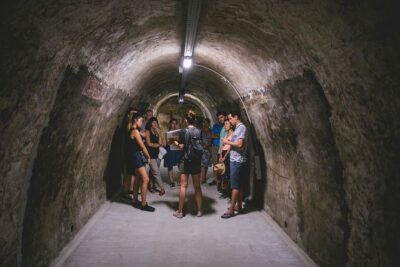
Plitvice Lakes with Ticket & Rastoke Guided Tour from Zagreb
Read our review →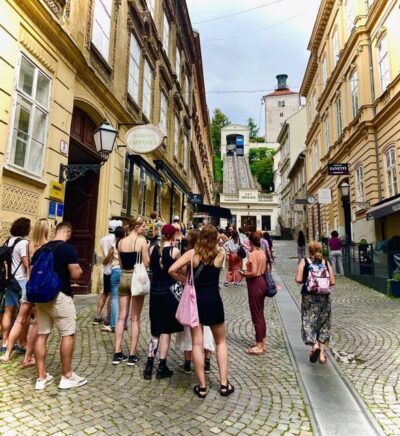
Small Group Walking Tour City Center and WW2 Tunnels
Read our review →
Skip-the-Ticket-Line Museum of Broken Relationships
Read our review →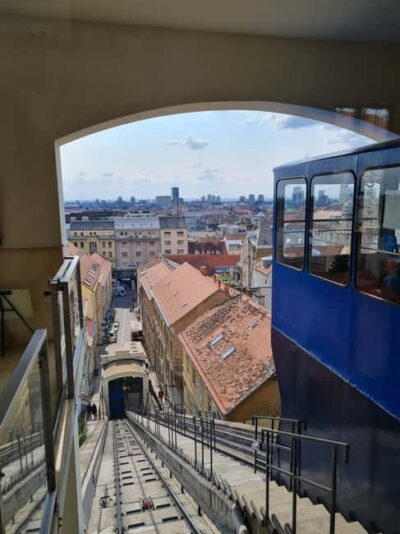
Plitvice and Rastoke day trip from Zagreb w/ticket (guar. dep.)
Read our review →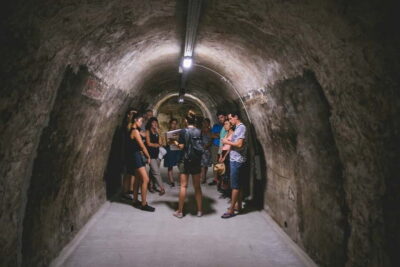
Browse the lists this tour appears in