
Reviewed · MUSEUMS
Toast to the Morning After: Zagreb Museum of Hangovers Visit
Zagreb’s Museum of Hangovers turns the morning-after misery into a playful museum visit. You’ll read about hangover customs, test your balance in drunk walking and drunk driving activities, and enter a blackout room with a flashlight. I like the mix of silly humor and useful alcohol science, and I like that the visit ends with an included shot of a local drink.
I also appreciate the freedom to explore with a beer, wine, or rakia in hand, though those drinks cost extra. The main drawback is its short length: many people will spend about an hour here, and anyone looking for a serious museum may find the subject too light.
In This Review
- Key Points to Know Before You Go
- Entering Through the Dark Door on Vlaška Street
- What the Museum Says About Hangovers
- Testing Your Balance in the Interactive Displays
- Finding Your Way Through the Blackout Room
- Global Hangover Cures and Hangover-Inspired Art
- Drinks, Tastings, and the Included Local Shot
- Is $15 a Fair Price?
- Who Will Enjoy This Museum Most?
- Timing, Cancellation, and Other Practical Details
- Should You Book the Museum of Hangovers?
- FAQ
- Where is the Museum of Hangovers in Zagreb?
- How long does the visit take?
- What does the $15 ticket include?
- Are beer, wine, and rakia included?
- Is the museum available in English?
- Can children visit the Museum of Hangovers?
- Is the museum wheelchair accessible?
Key Points to Know Before You Go
- The visit usually takes about an hour: You can move quickly through the exhibits, or linger over the stories and games.
- An included local shot adds value: The ticket includes a shot glass of local drink, with paid beer, wine, and rakia available during the visit.
- The blackout room is part of the fun: A flashlight is provided so you can find your way through this dark display.
- Interactive activities make the subject memorable: Drunk walking and drunk driving offer a comic way to see how alcohol affects judgment and coordination.
- The location is central and easy to identify: Enter the dark door on the right, halfway through the passage at Vlaška 55.
- It is not suited to everyone: Children under seven and wheelchair users cannot take part, and smoking is not allowed.
Entering Through the Dark Door on Vlaška Street
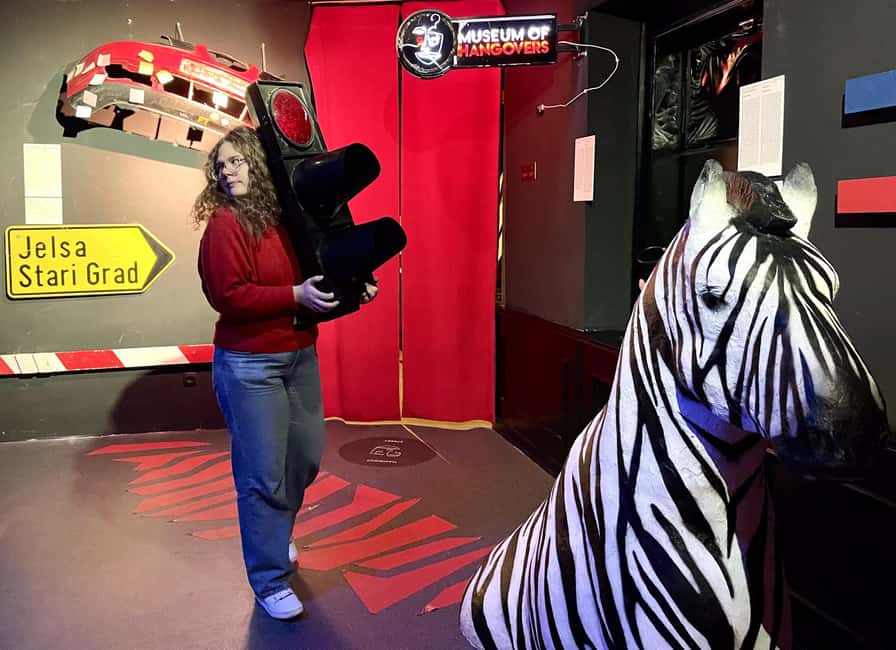
The Museum of Hangovers is at Vlaška 55 in Zagreb County. The entrance can be easy to miss, so look for the dark door on the right side, in the middle of the passage. That detail matters more than it sounds. You are not looking for a grand museum facade or a large street-level sign.
Once inside, a host or greeter welcomes you in Croatian or English. The museum is designed as a compact, self-guided-style stop with exhibits, games, and visual material rather than a long formal tour. You can take your time with the displays, but you are not locked into a fixed pace.
The central Zagreb location makes this a sensible add-on to a day of city sightseeing. You can fit it between other stops rather than build an entire day around it. The booking is listed as valid for one day, but the actual museum visit is much shorter than that. One visitor spent around an hour, while a faster reader could finish sooner.
A few more Zagreb trips to weigh up
- Zagreb: Skip-the-Ticket-Line Museum of Broken Relationships
★ 4.5 · 847 reviews - Zagreb: Nikola Tesla Technical Museum Ticket
★ 4.5 · 520 reviews - Zagreb: Museum of Illusions Entrance Ticket
★ 4.0 · 261 reviews
What the Museum Says About Hangovers
The museum treats hangovers as both a personal problem and a cultural subject. Displays look at how people in different societies have dealt with the morning after drinking, from older customs to more modern remedies.
I like this approach because it gives the visit a little more substance than a collection of jokes. You will see that hangover cures are not just about what works medically. They also reflect local food, drink, superstition, ritual, and ideas about restoring balance.
Do not expect a medical lecture or a detailed scientific exhibition. The tone is light, and the information is meant to entertain as much as explain. That makes it a good fit for friends, couples, and curious adults who enjoy unusual museums. If you want a serious account of alcohol poisoning, addiction, or public health, this is not the right place.
The displays also encourage you to think about how similar the morning-after experience can be across countries. The remedies may differ, but the basic story is familiar: someone drank too much, woke up feeling poor, and tried to find a solution.
Testing Your Balance in the Interactive Displays
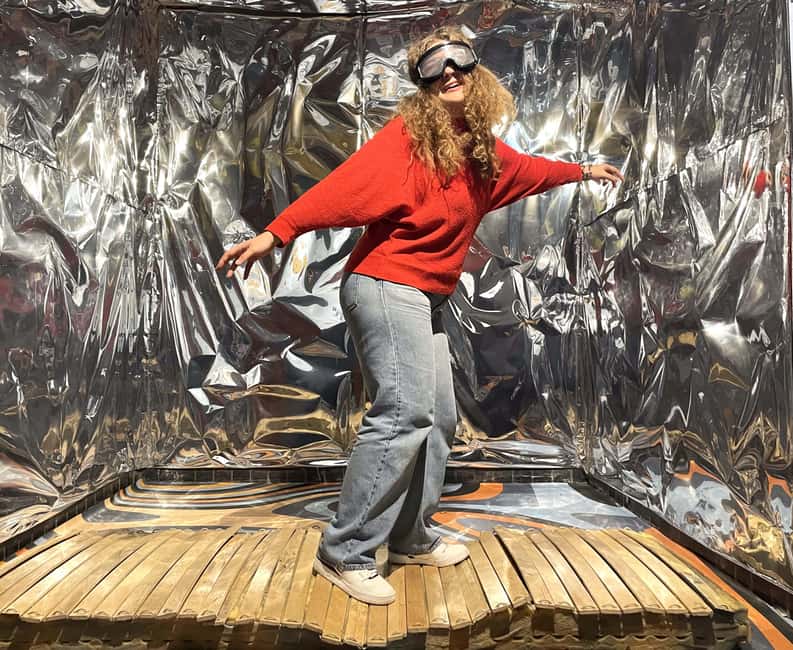
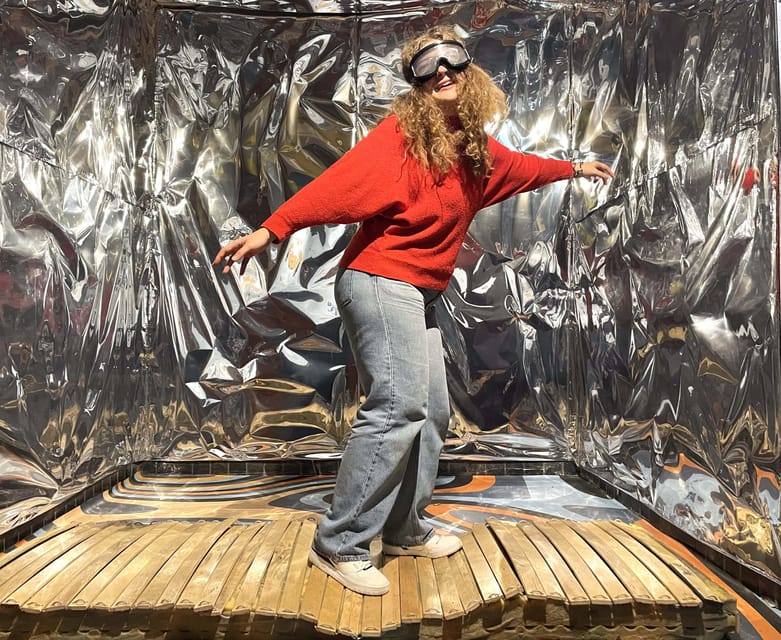
The interactive activities are the main reason to choose this museum over simply reading about hangovers online. In the drunk-walking display, you test coordination and balance in a controlled, comic setting. It gives you a physical sense of how alcohol can affect movement.
The drunk-driving activity offers another playful lesson. It is not a substitute for formal road-safety education, but it shows how alcohol can interfere with concentration and control. The humor helps make the point memorable without turning the subject into a grim warning.
These games work best with a small group of friends who are willing to take part. You can also watch others try, laugh together, and compare results. If you dislike performing in public or prefer quiet museum visits, these sections may feel less appealing.
The activities also explain why the museum suits a mixed group better than a standard drinking attraction. You do not have to consume alcohol to understand the displays. The games focus on the effects and behavior linked to drinking, not on encouraging you to drink more.
Finding Your Way Through the Blackout Room
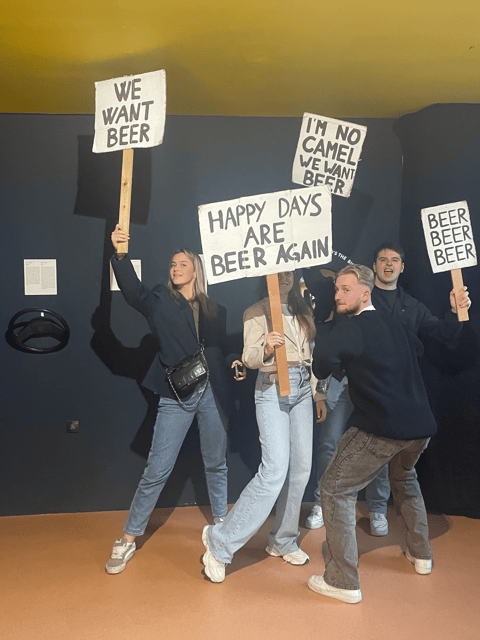
The blackout room is one of the more distinctive parts of the visit. You receive a flashlight and use it to explore the dark space. The setup connects the physical confusion of the room with the disorientation often associated with being drunk.
The flashlight is included, so you do not need to bring one. This is a small detail, but it helps the activity feel complete rather than like a normal dark room you simply walk through.
The room may be especially amusing when you go with companions, since the group experience adds conversation and laughter. At the same time, dark environments are not comfortable for everyone. Keep that in mind if you have trouble with confined or low-light spaces.
The blackout room is also a good example of the museum’s style. Rather than only presenting information on a wall, it asks you to experience a simple physical challenge. The point is not technical accuracy. The point is to make the subject easier to remember.
Same stretch of coast, a completely different day out:
- From Zagreb: Plitvice & Rastoke Guided Day Trip with Ticket
★ 4.9 · 2,955 reviews - Zagreb: Rastoke & Plitvice Lakes Guided Tour with Ticket
★ 4.9 · 1,897 reviews - Communism & Croatian Homeland War Tour
★ 5.0 · 1,355 reviews - Best of Zagreb with the WW2 Tunnels
★ 5.0 · 973 reviews
Global Hangover Cures and Hangover-Inspired Art
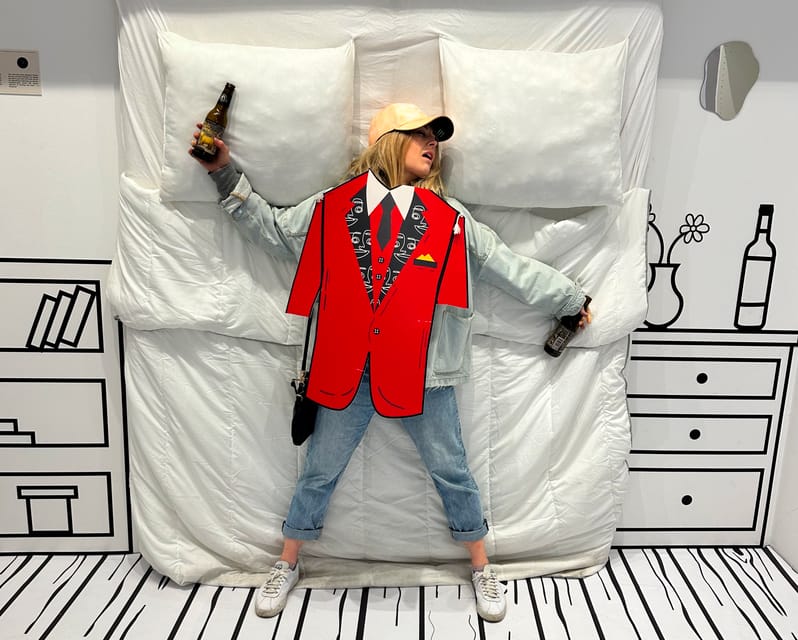
A large part of the museum’s appeal comes from comparing remedies from around the world. You will encounter different ideas about what helps after excessive drinking, including traditional practices and modern solutions.
Some remedies may sound familiar, while others may seem strange. I would treat this section as cultural information rather than a list of medical recommendations. The museum presents the variety of beliefs and habits, but you should not assume every cure has been proven to work.
The art displays add another layer. Artists interpret the uncomfortable morning-after feeling through images and creative installations, connecting bodily discomfort with mood, embarrassment, confusion, and humor.
This gallery gives the museum some needed variety. Without it, the visit could feel like a string of drinking jokes. The artwork shows how a common human experience can become a subject for personal expression.
You can also share your own hangover stories or listen to other people’s stories during the visit. That social element is not a formal performance, and the amount of conversation will depend on who is there. Still, it helps explain why the museum works best as a shared outing rather than a solitary cultural stop.
Drinks, Tastings, and the Included Local Shot
Your admission includes a shot glass of local drink. The end of the visit is a natural time for this small tasting, and it gives you a local touch without adding another charge.
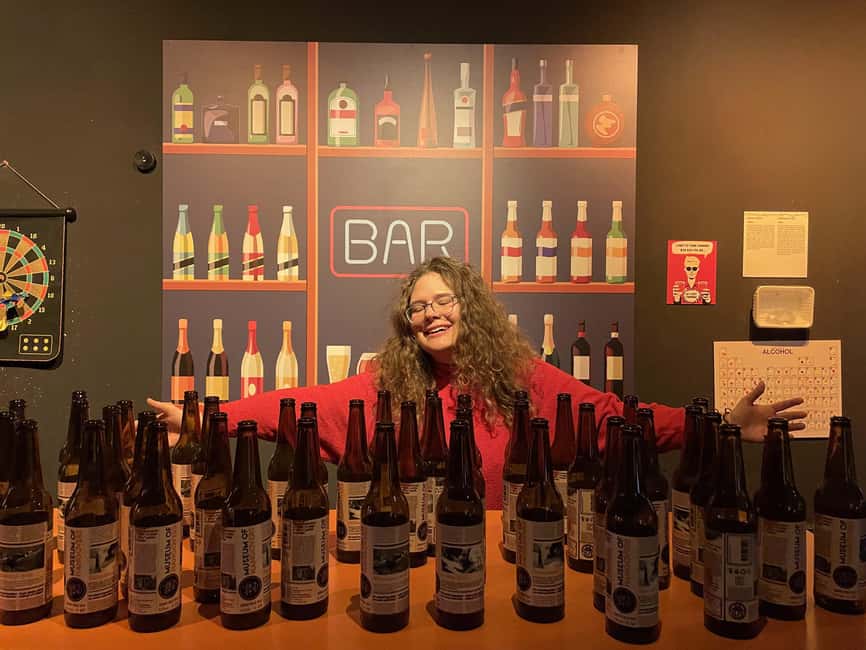
You can also tour the museum with beer, wine, or rakia, but these drinks are paid extras. That option can make the visit more social, especially if you are with friends, but it also affects the final price. At $15 per person before extra drinks, the ticket is reasonably priced for an unusual one-hour stop, though the value depends on how much you take part.
I would not book this expecting a full tasting session. The included shot is a finishing touch, not the main event. The tasting sessions may also include hangover-prevention drinks and snacks, but the supplied details do not specify exactly what is served or how much is included.
The practical rule is simple: do not bring your own drinks. Outside drinks and smoking are not allowed. If you want a beer, wine, or rakia, plan to purchase it at the museum instead.
Because alcohol is part of the theme, you should also use common sense. The interactive displays are there to show the effects of alcohol, not to encourage you to become impaired before using them. The experience remains more enjoyable when you can walk, read, and take part comfortably.
Is $15 a Fair Price?
At $15 per person, this is not the cheapest small museum in Europe, but it offers more than a room of printed panels. Your ticket covers the exhibits, interactive displays, the blackout-room flashlight, and a local drink shot.
The strongest value comes from the unusual format. You are paying for an activity you can discuss and share, not simply for a collection of objects. The drunk-walking and drunk-driving games give the visit a clear reason to exist.
The weaker point is duration. If you read little and skip some activities, you could finish quickly. One person found an hour about right, while another might move through the museum in less time. For that reason, I would compare the ticket with the cost of a short attraction, not a half-day museum.
The extra drinks can also change the calculation. If you add beer, wine, or rakia, budget beyond the $15 admission. The included shot keeps the base price from feeling bare, but you should not assume every drink shown in the experience description is included.
For a group outing, birthday activity, or unusual stop during a Zagreb city break, I think the price is fair. For a solo visitor seeking serious cultural depth, it may feel expensive for the amount of time inside.
Who Will Enjoy This Museum Most?
I would recommend it most to adults and older children who enjoy hands-on attractions, odd subjects, and shared jokes. Couples and groups of friends are likely to get more from the games and story sharing than someone visiting alone.
The museum can also work for people who have already seen Zagreb’s main landmarks and want something different. It is a compact change of pace from churches, galleries, and historic streets. The central location makes it easy to add without losing a large part of your day.
Families need to pay attention to the age limit. Children under seven are not suitable for the experience. The subject matter and alcohol-based humor may also be better suited to older children and adults, even when younger visitors meet the minimum age.
The museum is not suitable for wheelchair users, according to the supplied access information. If accessibility is important for your visit, check before booking rather than assuming the compact venue is easy to navigate.
I would also choose another activity if you dislike dark rooms, balance games, or social participation. The visit is not built around quiet contemplation. Its appeal comes from trying things, laughing, and talking.
Timing, Cancellation, and Other Practical Details
The activity has a one-day validity, with starting times available according to the booking schedule. Since the visit often lasts about an hour, it is easy to place before or after another Zagreb activity.
Free cancellation is available up to 24 hours in advance for a full refund. You can also reserve now and pay later, which helps if your city plans are still shifting.
The host or greeter speaks Croatian and English. No personal guide names are provided, so you should expect a host-led welcome rather than a named specialist tour.
The museum is a skip-the-ticket-line attraction, which is useful if you have a tight schedule. Still, the exact start time matters more than the time needed for the visit, especially if you are adding paid drinks or stopping to read every display.
The overall rating is 4 out of 5 from 39 ratings. That fits the experience well: it is a fun, unusual attraction with friendly staff and a few memorable activities, but it will not suit every taste. The strongest praise centers on the friendly welcome, the surprise of complimentary drinks, and the general sense of fun. The lower response reflects a fair concern: the subject can feel uninteresting if you do not enjoy this kind of humor.
Should You Book the Museum of Hangovers?
Book it if you want an offbeat Zagreb stop that takes about an hour and gives you something to do together. The best reasons are the interactive balance games, the blackout room, the global cure displays, and the included local shot.
Skip it if you want a traditional museum, a long guided tour, or a substantial drinking experience. At $15, the value depends on your willingness to participate. Go in expecting playful education, not a serious alcohol-science center, and you are more likely to feel the ticket was well spent.
FAQ
Where is the Museum of Hangovers in Zagreb?
It is located at Vlaška 55 in Zagreb County. Enter through the dark door on the right, in the middle of the passage.
How long does the visit take?
The activity is valid for one day, but the museum visit itself is usually much shorter. About an hour is a reasonable estimate, although you may finish sooner if you read quickly or skip some activities.
What does the $15 ticket include?
The ticket includes entry to the museum, the interactive displays, a flashlight for the blackout room, and a shot glass of local drink.
Are beer, wine, and rakia included?
No. You may tour the museum with beer, wine, or rakia, but those drinks cost extra.
Is the museum available in English?
Yes. The host or greeter service is available in Croatian and English.
Can children visit the Museum of Hangovers?
Children under seven are not suitable for this activity.
Is the museum wheelchair accessible?
The activity is not suitable for wheelchair users. Smoking is also not allowed, and you cannot bring drinks into the museum.
Just added around Zagreb
- From Split: Transfer to Zagreb with Stop at Plitvice Lakes★ 4.6 · 44 reviews
- Private Walking Tour of Zagreb★ 4.9 · 5 reviews
- Jump into Zagreb: Walking Tour with local guide★ 4.8 · 3 reviews
- From Zagreb to Plitvice Lakes and Rastoke – Private day tour★ 5.0 · 4 reviews
- From Zagreb: Varazdin Baroque Town & Trakoscan Castle★ 4.9 · 38 reviews
- From Zagreb: Plitvice Lakes & Rastoke Private Tour★ 5.0 · 9 reviews
- From Zagreb: Prehistoric and Medieval Croatia Tour★ 4.9 · 3 reviews
- From Zagreb: Mrežnica kayaking & Rastoke village – day trip★ 4.9 · 27 reviews
Museums, compared.
Blue Lagoon & Underwater Museum from Split with Lunch & Drinks
Read our review →
Skip-the-Ticket-Line Museum of Broken Relationships
Read our review →
PREMIUM Emperor’s Walking Tour for History Lovers + Museum
Read our review →
Klis Fortress GOT and Olive Museum Entry Tickets
Read our review →
Browse the lists this tour appears in