
Reviewed · MUSEUMS
Split: Olive museum Klis with Olive Oil Tasting
The most useful part of this $18 outing near Klis is not simply tasting olive oil. It is learning why two bottles labeled extra virgin can taste so different. In the tasting room, you sniff and sample two oils, then use the same basic method as professional tasters.
I like the combination of food-making demonstrations and the small botanical collection. You see local women preparing products from figs, almonds, oranges, and lavender, then learn how Dalmatian herbs become essential oils and natural cosmetics. I also like that the tour leaves you time to browse the shop, walk through the grounds, or stop for a traditional lunch.
The main drawback is simple: there are no olive groves or working olive fields at the site. The museum explains olive oil well, but this is a cultural and tasting visit rather than a farm tour. If you want rows of ancient trees and a rural harvest scene, you may find it a little limited.
In This Review
- Key points at a glance
- Starting at Stella Croatica near Klis
- Seeing how figs, almonds, oranges, and lavender become local products
- From Dalmatian herbs to natural cosmetics
- Walking through a 500-species botanical collection
- Inside the Olive Oil Museum, a finalist in 2023
- Learning the basic rules of olive oil tasting
- Shopping, lunch, and time after the guided tour
- Who will get the most from this $18 visit
- Should you book the Stella Croatica olive oil experience?
- FAQ
- Where does the olive oil experience begin?
- What is included in the $18 price?
- Is lunch included?
- How many olive oils will I taste?
- What language is the tour in?
- Can I cancel or pay later?
Key points at a glance
- Two oils, one useful lesson: Taste both oils labeled extra virgin and learn how smell and flavor reveal quality.
- A family estate with several stops: See traditional sweets, cosmetics, herbs, old buildings, and the museum in one visit.
- The Olive Oil Museum’s 2023 distinction: The museum was a finalist for the European Museum of the Year Award.
- A $18 experience: The ticket includes entry, a guided tour, two olive oil tastings, traditional sweets, and natural cosmetics testing.
- Time to explore afterward: You can browse the concept store, walk around the park, or arrange a traditional lunch at your own expense.
- A good family option: The clear tasting lesson can work for children as well as adults, though younger children may care more about the sweets and garden.
Starting at Stella Croatica near Klis
You reach Stella Croatica by following signs from the main road. Once inside the main building, wait for your English-speaking host. The activity begins and ends at this same meeting point, which keeps the outing straightforward if you are visiting independently.
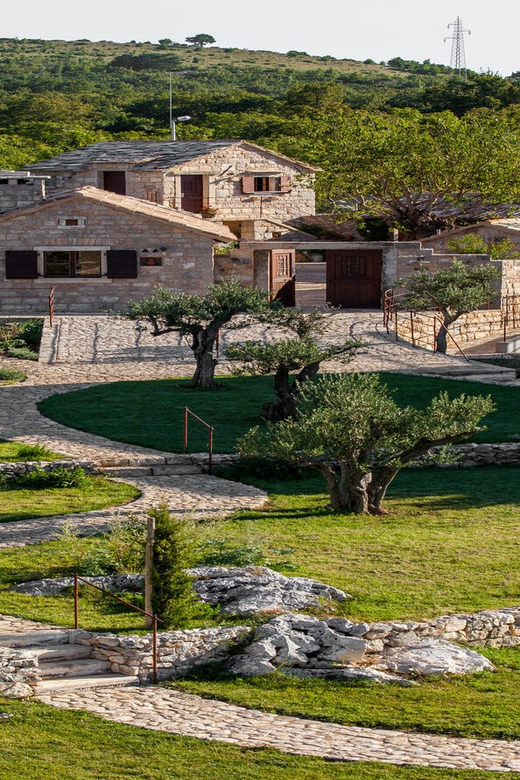
The setting gives you more than a single museum room. Stella Croatica is presented as a traditional Croatian family estate, with production areas, gardens, old buildings, a shop, and spaces devoted to olive oil and natural cosmetics. You should allow enough time to enjoy the property after the guided portion rather than treating it as a quick museum stop.
The tour price is $18 per person, a fair amount if you are interested in local food and want a guided introduction rather than just a shop tasting. The value improves because the fee includes several small experiences: the estate tour, the museum, traditional sweets, cosmetics testing, and two olive oils.
There is no stated tour duration, so do not plan another tightly timed activity immediately afterward. The program includes free time at the end, and that is part of its appeal. You can take the visit at a relaxed pace instead of being hurried from one station to the next.
A few more Split trips to weigh up
- From Split: Krka Waterfalls, Food & Wine Tasting Tour
★ 5.0 · 9,326 reviews - From Split: Krka Waterfalls, Food & Wine Tasting Tour
★ 4.9 · 6,598 reviews - Split: Blue Lagoon and 3 Island Cruise with Food and Drinks
★ 4.8 · 1,969 reviews
Seeing how figs, almonds, oranges, and lavender become local products
The first production stop focuses on traditional goods made from familiar Dalmatian ingredients. You watch local women prepare and pack products using figs, almonds, oranges, and lavender. This gives the visit a useful connection to everyday food traditions, rather than presenting olive oil as an isolated product.
The factory visit is not just a sales pitch. It shows the work behind the items you later see in the concept store. Fig products, almond treats, citrus goods, and lavender preparations all reflect ingredients associated with the region, and the demonstrations help explain why these foods appear so often in Croatian markets and family kitchens.
You also get to taste traditional sweets as part of the included program. That matters for families and for anyone who wants a small food sample without paying extra at every stop. The tasting is not described as a full meal, so arrive expecting a snack and introduction, not lunch.
The production area may be one of the more appealing sections for you if olive oil is only part of your interest. It broadens the visit into a look at several local crafts. On the other hand, if you want a highly technical factory tour, the information supplied points more toward demonstration and explanation than a detailed industrial study.
From Dalmatian herbs to natural cosmetics
The next part explains how essential oils are extracted from typical Dalmatian herbs. You then see how those oils are used in natural cosmetics. This is a practical link between the botanical collection and the finished products sold on the estate.
You can test natural cosmetics as part of the admission. That small hands-on element makes the stop more useful than simply looking at bottles on a shelf. It also gives you a better sense of the estate’s wider focus, which includes herbs, scents, food, and handmade goods.
The wording here matters: you are learning how essential oils are extracted and used, not taking a full cosmetics-making class. If you are hoping to produce your own cream or perfume, this activity does not promise that. Think of it as a guided introduction with product testing.
The cosmetics section should suit you if you enjoy regional products but do not want every stop to be about eating. It is also a pleasant change of pace before the olive oil museum, where the subject becomes more focused and educational.
Walking through a 500-species botanical collection
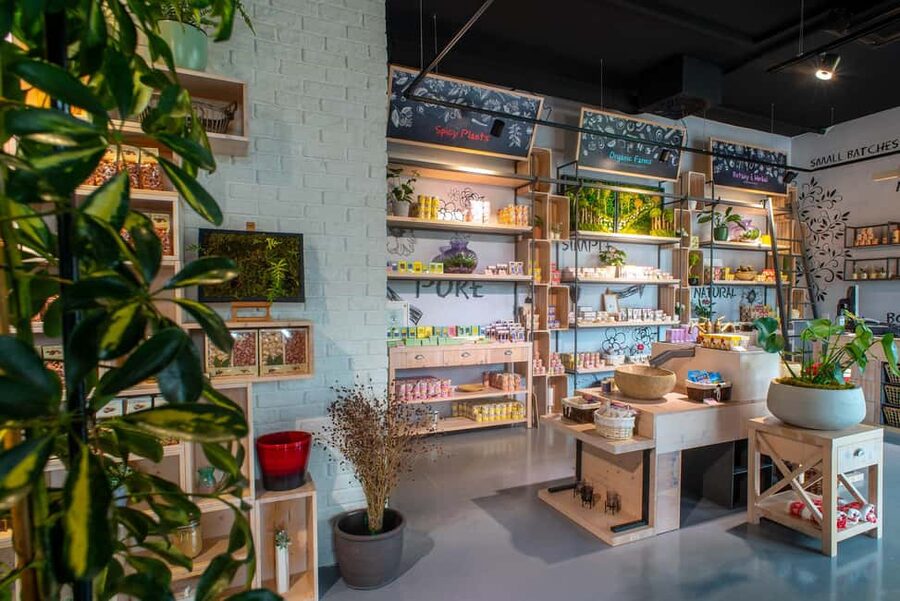
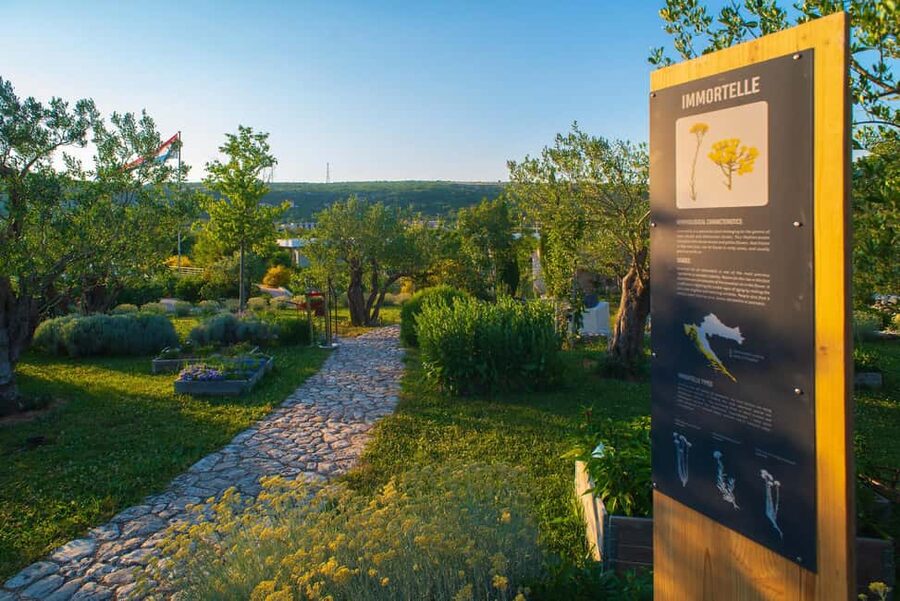
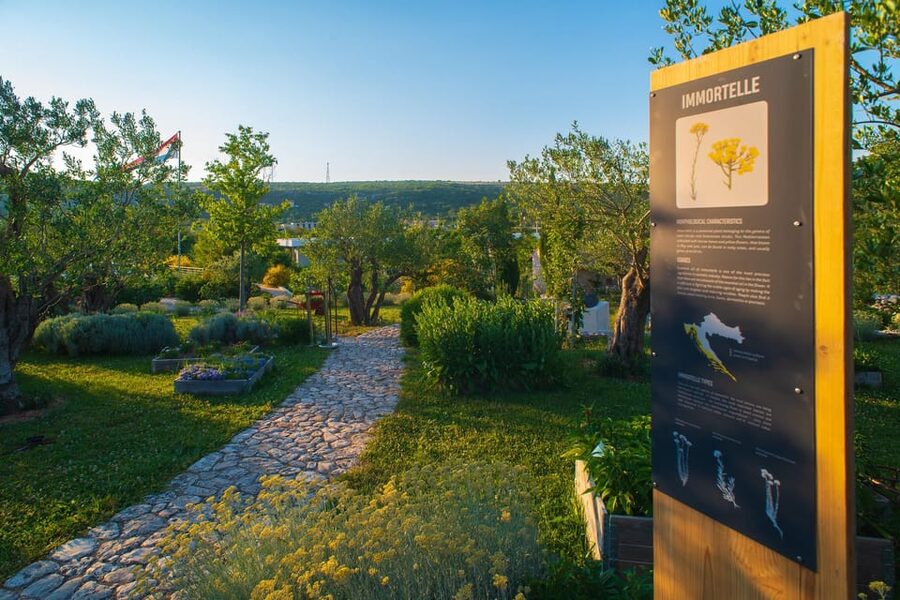
The botanical collection includes 500 species, giving you a chance to see the plants that help define the estate’s food and cosmetics work. Your guide explains what some of the plants can be used for, so the garden is not merely decorative.
This is a small but worthwhile part of the tour. You can connect the herbs you have just heard about with living plants, then understand how they fit into food, scent, and personal care. The garden also gives you some breathing room between indoor stops.
Do not expect a vast public garden or a walk through olive orchards. One important limitation is that the property itself does not offer olive trees or fields to view. The botanical collection is the main outdoor feature, and it is described as cute but small rather than a major garden attraction.
That makes the season and your interests important. If you love plants, allow time to inspect the collection carefully. If you mainly want the tasting, the garden is a pleasant extra rather than the reason to book.
Same stretch of coast, a completely different day out:
- Split: Krka Waterfalls Trip with Boat Cruise and Swimming
★ 4.8 · 10,519 reviews - Blue cave, Mamma Mia and Hvar, 5 islands speedboat tour
★ 5.0 · 7,150 reviews - Split/Trogir: Blue Cave, Mamma Mia, Hvar and 5 Island Tour
★ 4.6 · 6,320 reviews - Blue Lagoon & 3 Islands Cruise with Lunch from Split
★ 4.5 · 5,756 reviews
Inside the Olive Oil Museum, a finalist in 2023
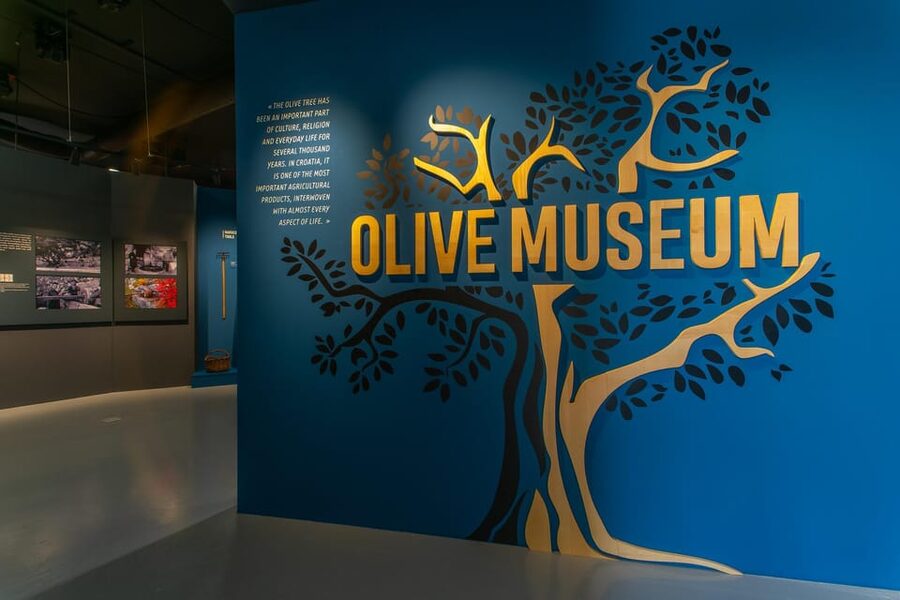
The Olive Oil Museum is the centerpiece of Stella Croatica. It explains what locals call liquid gold, a fitting name for an ingredient that plays such a large role in Croatian cooking and Mediterranean food culture.
The museum was a finalist for the European Museum of the Year Award in 2023. That recognition gives you a reason to take the museum seriously, but it does not guarantee that every part of the presentation will suit your taste. The quality of a museum visit depends partly on the guide and how much you enjoy displays about production, history, and food culture.
The museum explains the history and types of olive oil, preparing you for the tasting that follows. You should pay attention to the difference between an oil’s label and its actual quality. The key lesson is that extra virgin is a quality category, not a guarantee that every bottle will taste fresh, balanced, or appealing.
One guide has been described as dull and unenthusiastic, while the tasting host was praised for being friendly and clear. That contrast is useful to know. The museum portion may feel slower to you than the workshop, especially if your guide gives a dry presentation. The tasting tends to be the more interactive section.
You can also return to the museum shop after the tour. The shop sells olive oils and other estate products, and the concept store offers handmade goods at factory prices. You are allowed to sample products without needing to buy them, which keeps the shopping portion comfortable rather than pressured.
Learning the basic rules of olive oil tasting
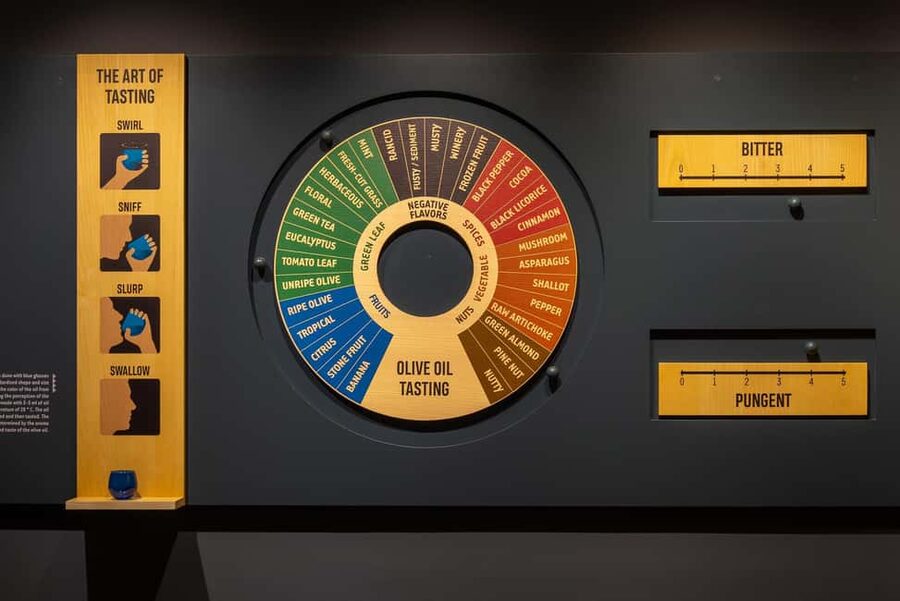
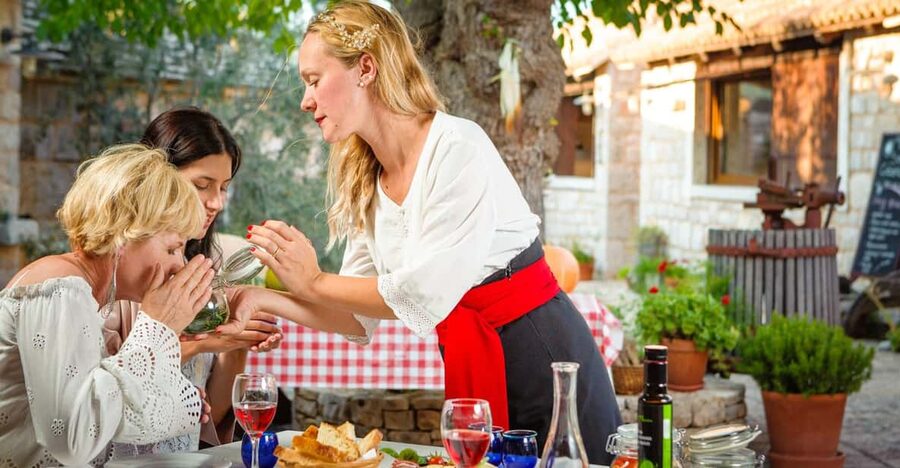
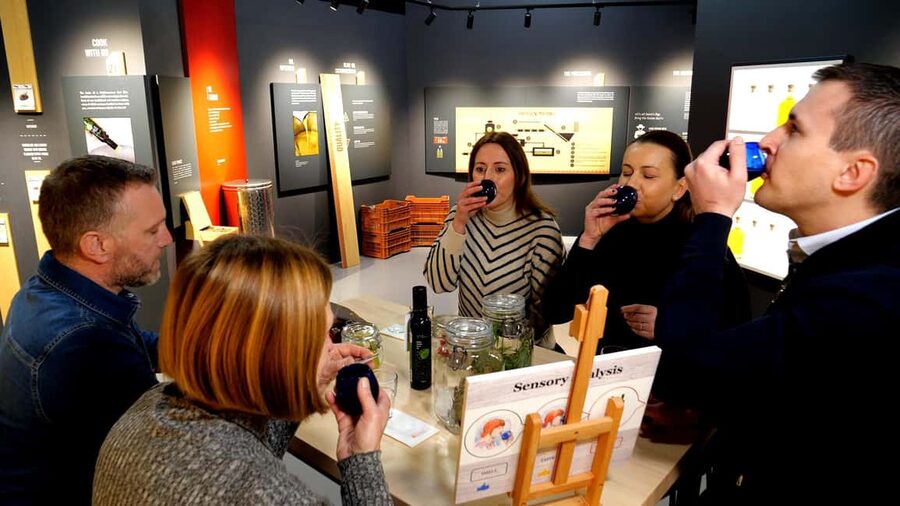
The tasting room is where the visit earns its price. Before you sample the oils, your host explains how to recognize extra virgin olive oil through an interactive lesson. You learn to use your nose and palate instead of relying only on packaging, price, or the country named on the bottle.
You taste two different oils, both labeled extra virgin. The point is to notice their differences and understand that the label alone does not tell you everything about the experience in the glass.
The method is similar to what a professional taster does at a basic level. You smell the oil, consider its aroma, taste it, and look for signs of freshness and faults. The lesson is designed for ordinary visitors, so you do not need prior knowledge or a trained palate.
This is especially useful because olive oil tasting can seem mysterious at first. A guided comparison gives you something concrete to remember when you shop later. You may leave better able to notice whether an oil smells fresh and lively or flat and unpleasant.
The tasting is also suitable for families. A nine-year-old child was able to follow the explanations and take part in the activity. Children may not care about every museum display, but the sniffing and tasting format turns the lesson into something they can take part in.
Still, keep your expectations in proportion. This is a short educational tasting, not a professional certification course. You sample two oils, not a large flight, and the goal is to teach the basics rather than explore every olive-growing region in Croatia.
Shopping, lunch, and time after the guided tour
Once the formal tour ends, you have free time to explore the park and older buildings. This is a welcome feature because the estate includes several small areas that are easy to rush past when you move with a guide.
The concept store offers handmade foods, olive oils, cosmetics, and other traditional products. Factory-price shopping can make the stop more useful if you are looking for gifts or edible souvenirs. You can try products before buying, and there is no requirement to purchase anything.
A traditional lunch is also possible after the experience, but additional food and drinks are not included in the $18 price. Check the timing and availability when you arrive, since the supplied details do not give a menu, serving hours, or lunch cost.
You should also bring the right expectations about the grounds. The park and old buildings add atmosphere, but the property is not described as a large open-air museum or an olive farm. Its appeal comes from having several modest stops in one family estate.
Who will get the most from this $18 visit
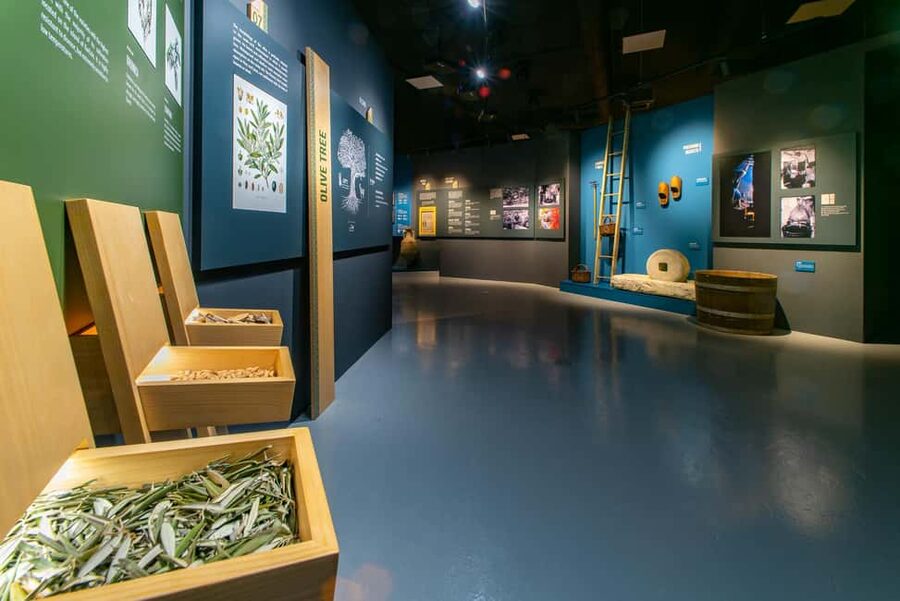
I would recommend this outing to you if you enjoy food education, local products, and hands-on tastings. It works well for couples, families, and visitors who want an activity near Klis that does not require a full day.
It is also a good choice if you are curious about olive oil but do not know how to judge it. The tasting lesson gives you a skill you can use beyond Croatia, especially when choosing oils at home.
Families should find the mix of sweets, garden, cosmetics, and tasting more varied than a museum devoted only to displays. The clear explanations can include children, though the museum section may be less engaging for very young ones.
You may want to skip it if your ideal olive oil visit involves walking through groves, seeing a harvest in progress, or watching a working press. Stella Croatica does not provide those elements at the site. You may also find the museum presentation too quiet if you prefer energetic guides and fast-moving tours.
The experience is conducted in English. Food and drinks from outside are not allowed, and video recording is not permitted. You can reserve now and pay later, and cancellation is allowed up to 24 hours before the activity for a full refund, which is useful if your plans around Klis are still shifting.
Should you book the Stella Croatica olive oil experience?
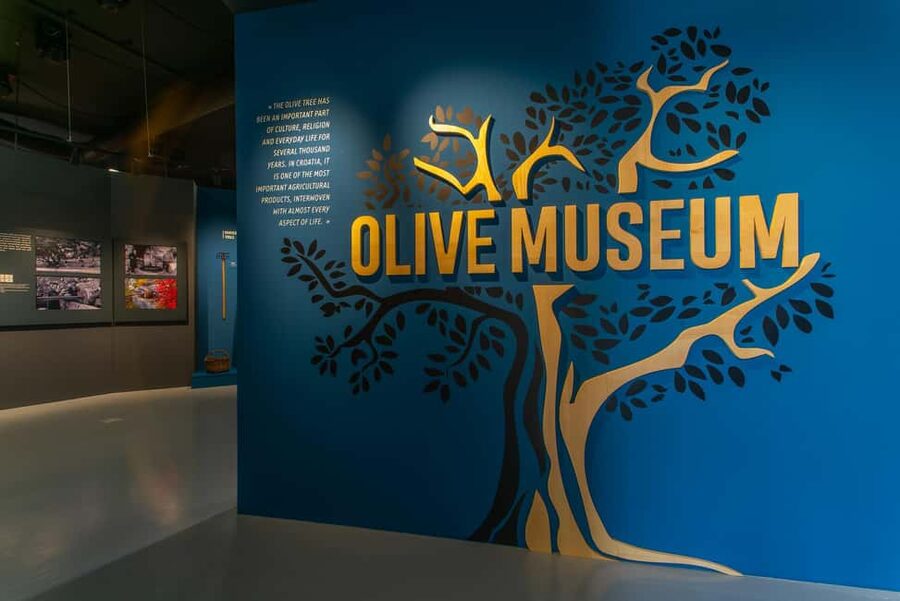
Book it if you want a reasonably priced introduction to Croatian food traditions, cosmetics, herbs, and olive oil in one stop. The strongest part is the tasting workshop, where you learn a practical way to compare oils instead of simply being handed a sample.
The museum and botanical collection add context, while the sweets and shop make the visit easy to enjoy at a relaxed pace. At $18, the included tasting and admission offer good value for a short cultural outing.
Skip it if you want a true olive farm visit or a long, dramatic museum tour. The lack of olive trees at the estate is a real limitation, and the museum guide may be less lively than the tasting host. For everyone else, especially families and food-minded visitors, Stella Croatica offers a useful lesson and several local flavors without a large price tag.
FAQ
Where does the olive oil experience begin?
Follow the signs from the main road to Stella Croatica. Enter the main building and wait for your host. The activity ends back at the same meeting point.
What is included in the $18 price?
The price includes entry to Stella Croatica and the Olive Oil Museum, a guided tour, tasting of two different olive oils, traditional sweets, and testing of natural cosmetics.
Is lunch included?
No. Additional food and drinks are not included. You may have the option to enjoy a traditional lunch after the tour, but you pay for it separately.
How many olive oils will I taste?
You will taste two different oils, both labeled as extra virgin. The tasting lesson explains how to assess their quality through smell and taste.
What language is the tour in?
The activity is offered in English.
Can I cancel or pay later?
You can reserve your place and pay later. Cancellation up to 24 hours in advance qualifies for a full refund.
Just added around Split
- Split Sunset Stand Up Paddle Tour★ 5.0 · 16 reviews
- Split: Sunset Guided Kayaking Tour★ 4.8 · 71 reviews
- Split&Sip: Educational wine tasting★ 4.9 · 52 reviews
- Stand Up Paddle Tour in Split★ 4.7 · 17 reviews
- Split: Guided Walking Tour in English★ 4.9 · 10 reviews
- Split – Walking in Khaleesi Footsteps in the City of Dragons★ 5.0 · 13 reviews
- Split Walking Tour with History Professor★ 5.0 · 23 reviews
- Split Walking Tour: History, Legends & Tales★ 5.0 · 9 reviews
Museums, compared.
Blue Lagoon & Underwater Museum from Split with Lunch & Drinks
Read our review →
Skip-the-Ticket-Line Museum of Broken Relationships
Read our review →


PREMIUM Emperor’s Walking Tour for History Lovers + Museum
Read our review →
Klis Fortress GOT and Olive Museum Entry Tickets
Read our review →

Browse the lists this tour appears in