
Reviewed · COOKING CLASSES
Split Cooking Class
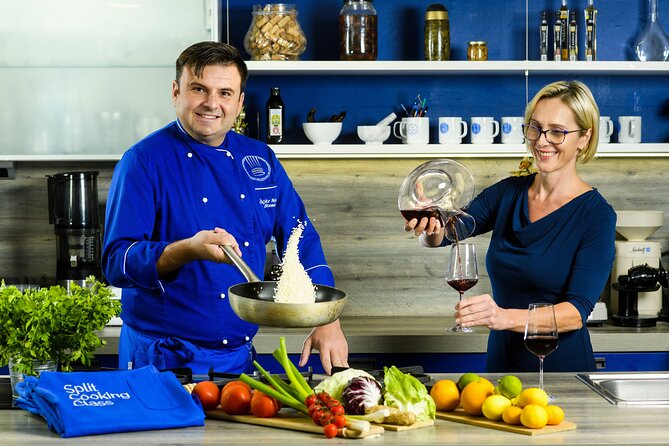
Split’s best cooking lesson begins before you reach the kitchen. You walk through Split’s Green Market and Fish Market, choosing produce and seafood with a professional chef, then turn those ingredients into lunch. It is a fine way to connect the city’s daily food culture with its Dalmatian cooking.
I like the market shopping and the hands-on work. You may clean fish, bake bread, prepare sauces, make desserts, and cook dishes such as risotto, depending on the day’s menu. I also like the relaxed small-group setting, with chefs such as Marin, Željko, and Drago explaining both technique and local customs. The main consideration is the price: at $211.72 per person, this is a major half-day splurge, not a casual budget activity.
In This Review
- Key things to know before booking
- From Split’s market stalls to your cutting board
- Green Market: choosing the produce
- Fish Market: the most useful stop for seafood lovers
- A proper cooking school, not a staged kitchen show
- What you may cook during the five-hour session
- The chefs make the difference
- Is $211.72 a fair price?
- Timing, walking, and dietary planning
- Who will enjoy this class most?
- Should you book the Split Cooking Class?
- FAQ
- Where does the Split Cooking Class start?
- How long does the cooking class last?
- Does the class include a market visit?
- Is the class taught in English?
- What is included in the price?
- Can vegetarians and people with dietary requirements take the class?
- What happens if I need to cancel?
Key things to know before booking
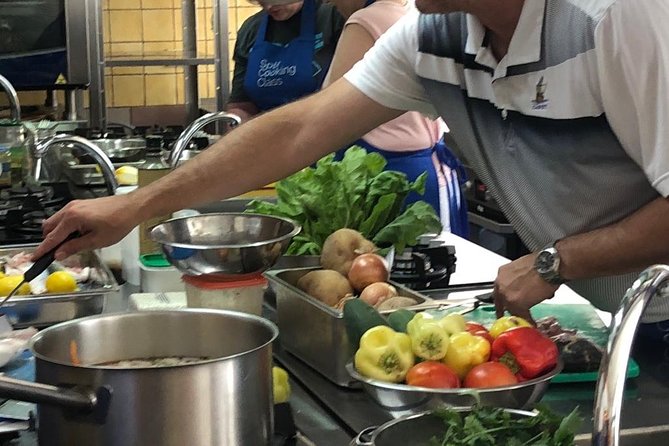
- Market shopping comes first: The morning class visits both Split’s Green Market and Fish Market to choose ingredients.
- You do the cooking: Expect real preparation work, including fish cleaning and hands-on cooking, not only a chef demonstration.
- Chefs bring restaurant experience: Instructors including Marin, Željko, and Drago teach cooking skills alongside Croatian food traditions.
- Lunch is part of the lesson: You sit down to eat what the group has prepared, with wine and other drinks included.
- Groups stay fairly small: The maximum is 12 people, though some sessions may be smaller.
- Plan on five hours: The 9:00 am start usually carries through the morning and into lunch, so keep the rest of your day light.
From Split’s market stalls to your cutting board
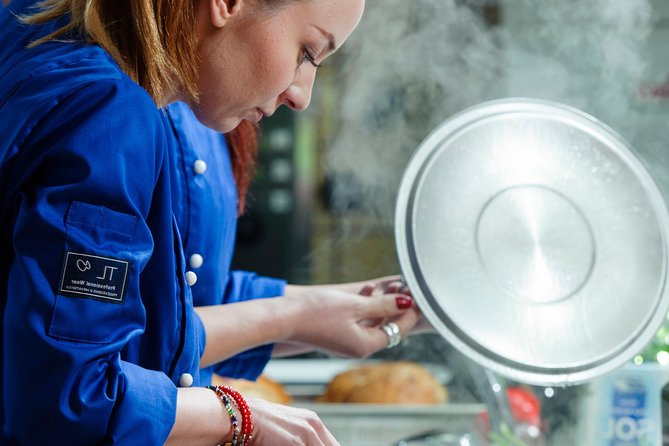
The class meets at 9:00 am at Hrvojeva 4, close to Split’s Old Town and the Palace area. From there, the morning begins on foot, with only a small amount of walking required.
That opening walk matters. You are not simply handed a basket of preselected ingredients in a cooking school. You see where the food comes from and learn how a Croatian cook thinks about the day’s meal. The produce and seafood depend on the season and what local sellers have available, so the class has a sense of place that a fixed menu cannot quite match.
The market visit also adds a little city orientation. The route includes local background and stories about Split, making this useful early in a stay when you are still learning how the center fits together. It is not a full sightseeing tour, but the short walk gives the cooking lesson more context.
The class can also be booked without the vegetable and fish market visits. That version may suit you if walking is difficult, if you have limited time, or if you prefer to spend more of the session in the kitchen. Still, the market portion is one of the strongest reasons to choose the morning option.
A few more Split trips to weigh up
- Culinary Experience – Cooking Class & Walking Tour Split
★ 5.0 · 42 reviews - Truffle hunting & cooking tour
★ 5.0 · 257 reviews - Traditional Cooking Class in Dubrovnik Countryside
★ 5.0 · 168 reviews
Green Market: choosing the produce
The first stop is Split’s Green Market. This is where you look at the day’s fruit, vegetables, and other fresh ingredients with the chef.
The useful part is not only seeing the stalls. Your instructor can explain what is in season, how locals use particular vegetables, and how the available produce shapes the meal. You get a practical lesson in buying food, not just a quick stroll past colorful displays.
The exact menu is not fixed in the information provided, and that is worth understanding before you book. The cooking may change with the season and the market supply. That can be a plus if you like food that reflects the time of year, but it means you should not book expecting one guaranteed dish unless the operator confirms it directly.
The market is also a good place to ask questions. Previous classes have included vegetables, potatoes with Swiss chard and garlic, bread, seafood, sauces, and desserts. Your chef can connect these ingredients to the wider Dalmatian table and explain why simple, fresh food plays such a large role in the region.
Fish Market: the most useful stop for seafood lovers
The second stop is Split Fish Market. This is the part I would especially recommend if you rarely see a wide range of local fish at home or have always wanted to learn basic fish preparation.
The lesson may include identifying the catch, discussing the fish selected for lunch, and learning how to clean or filet it. Fish preparation is not left entirely to the chef. You may be asked to handle the work yourself, with guidance when needed. That makes the technique much easier to remember when you return to your own kitchen.
Some sessions have included less familiar seafood, including stingray. You should not assume that every class serves the same fish, but you can expect the market visit to open a conversation about local seafood and cooking methods.
This portion does require a willingness to work with fish. If you are uncomfortable with seafood, tell the operator about your preferences when booking. The class can accommodate vegetarian participants when advised in advance, and dietary requirements should also be provided at that time.
A proper cooking school, not a staged kitchen show
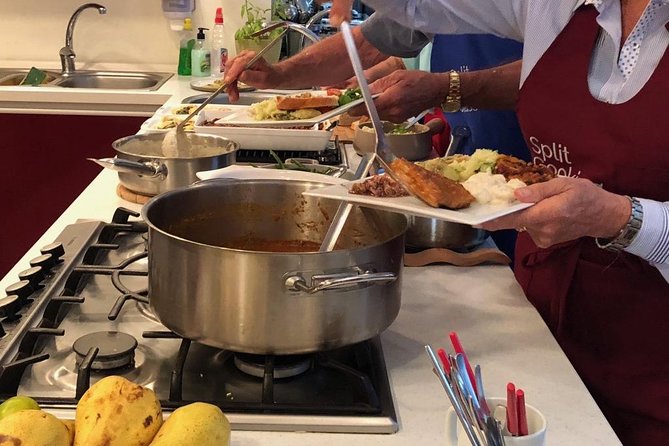
After the markets, you walk to the cooking school. The facility has been described as professional and air conditioned, with top-class equipment. That is important in Split’s warmer months, when several hours around ovens and stovetops could otherwise become tiring.
You receive snacks and drinks before or during the cooking. Coffee, tea, water, wine, and other beverages are included, along with lunch and a wine tasting. The food and drink help keep the pace sociable, but the class still expects you to participate.
That distinction is worth making clear. This is not a chef demonstration where you sit back and watch every step. You may chop, mix, prepare fish, work on bread, build sauces, and assist with several dishes. The exact division of tasks can vary. In one class, fish and vegetable preparation was more hands-on, while bread and desserts involved more watching. Even so, the general approach is active.
The school setting also gives the instructors room to explain technique properly. You can ask why a dish is prepared in a certain way, how a sauce base works, or what makes a local recipe different from a familiar version. The best part of the class is that the information is tied to food you are handling at that moment.
Same stretch of coast, a completely different day out:
- Split: Krka Waterfalls Trip with Boat Cruise and Swimming
★ 4.8 · 10,519 reviews - From Split: Krka Waterfalls, Food & Wine Tasting Tour
★ 5.0 · 9,326 reviews - Blue cave, Mamma Mia and Hvar, 5 islands speedboat tour
★ 5.0 · 7,150 reviews - From Split: Krka Waterfalls, Food & Wine Tasting Tour
★ 4.9 · 6,598 reviews
What you may cook during the five-hour session
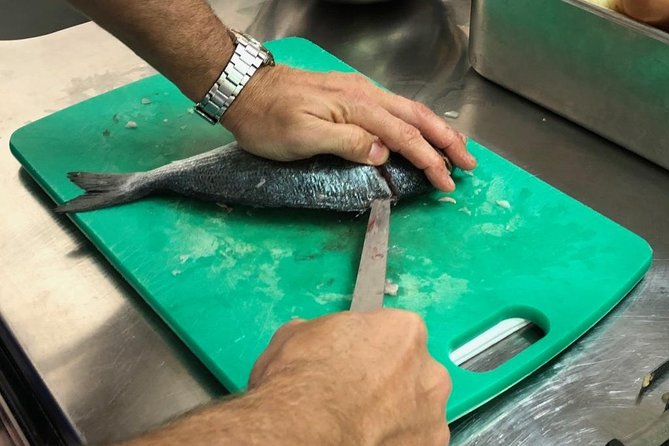
The stated sample menu lists a Croatian starter, but the class clearly goes beyond a single starter. Menus can change, and the dishes depend on the market, the season, and the group’s dietary needs.
Past sessions have included:
- Seafood and fish dishes
- Risotto
- Fresh bread
- Vegetable preparations
- Sauces
- Desserts
- Traditional Dalmatian combinations such as Swiss chard, potatoes, and garlic
The risotto has earned particular praise, and one class produced enough food for a large, satisfying lunch. You should arrive hungry. The meal is not an afterthought squeezed between activities. It is the final reward for the work you have done and a major part of the social side of the morning.
The lesson also covers cultural meaning. Your chef may explain why certain foods matter in Croatia, how families serve lunch, and how recipes connect to Dalmatian life. Lunch around a shared table is treated as an important Mediterranean tradition, so the meal feels like a natural finish rather than a separate restaurant stop.
Still, do not expect a private cooking lesson unless you have booked a private option. The advertised maximum is 12 people, and participants may be divided into groups for different tasks. A group of seven has been described as comfortable, with enough people for conversation but still plenty of work to do. Smaller off-season classes may give you more direct time with the chef.
The chefs make the difference
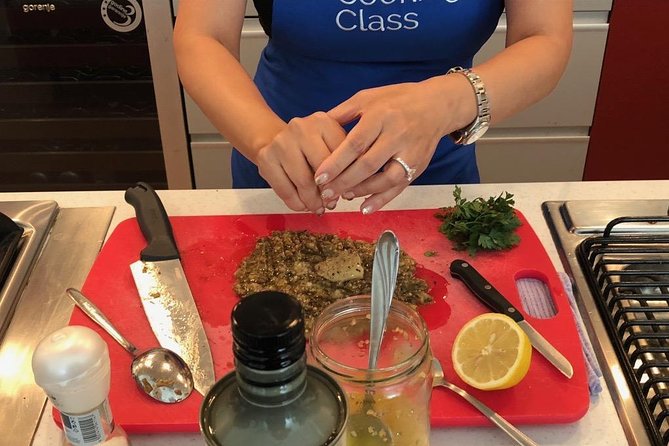
The instructors have worked in some of Croatia’s leading restaurants, and their professional background shows in the structure of the class. They are not only there to keep the schedule moving. They explain techniques, answer questions, and help you complete the dishes yourself.
Marin has been praised for his passion and warm manner. Željko has worked patiently with beginners and taken time to answer detailed questions. Drago has been described as a friendly teacher who guides each step without taking over. You may not receive one of these specific chefs, but the named instructors give you a sense of the teaching style to expect.
The strongest aspect is the balance between instruction and conversation. You learn practical skills, but the chef also talks about Split, local ingredients, and the cultural background of the dishes. This makes the class useful for experienced home cooks and first-timers alike.
If you already cook often, you will still find value in the fish preparation, local ingredients, and regional methods. If you are new to cooking, the class offers enough supervision to keep the work manageable. You should not expect to remain passive, though. The point is to leave with skills, not just photographs.
Is $211.72 a fair price?
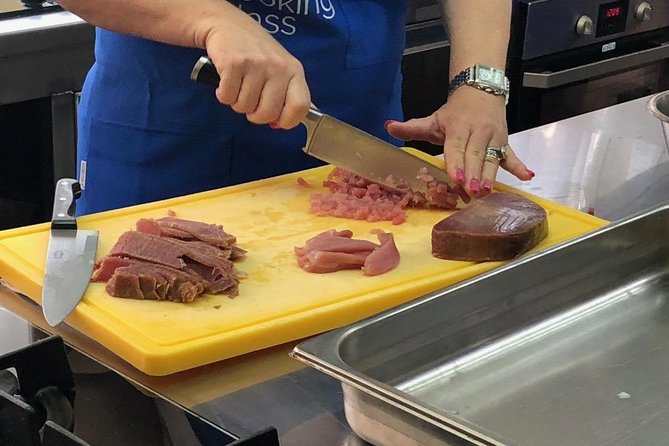
At $211.72 per person, the class is expensive compared with a simple market visit or an ordinary lunch. The price makes more sense when you count the full package: roughly five hours, two market stops, a professional kitchen, chef instruction, ingredients, snacks, coffee or tea, other beverages, wine tasting, and a prepared lunch.
You are also paying for access to a working food culture. A restaurant can serve you Croatian dishes, but it cannot usually show you how the ingredients were chosen, how the fish was cleaned, or why the recipe is prepared in a certain way. For someone who values food as a route into local life, that extra instruction may justify the cost.
The value is strongest for couples, families, and small groups who enjoy cooking together. It is also a good rainy-day choice, since most of the session takes place indoors after the market walk. If you only want to eat and have no interest in preparing food, the price will feel harder to defend.
Hotel pickup and drop-off are available if that option is selected. The standard meeting point is central and the activity ends back there, so many people staying near the Old Town can likely reach it on foot. The provided details do not specify the cost or coverage of the pickup option, so check that before paying for it.
Timing, walking, and dietary planning
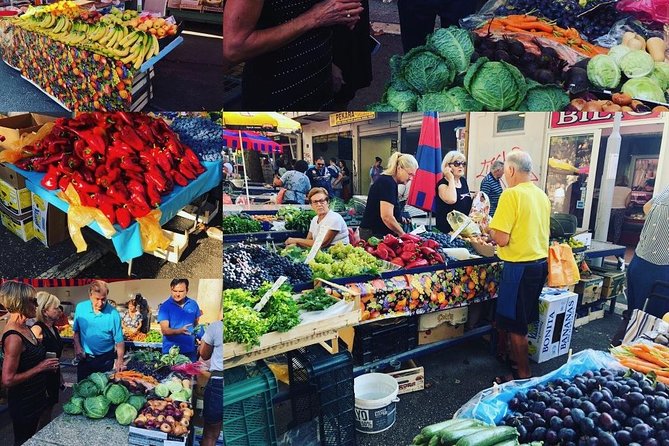
The morning class begins at 9:00 am. Set aside the entire morning and lunch period rather than scheduling a tight appointment afterward. A five-hour activity can run into the early afternoon, especially when the group is enjoying the meal and conversation.
Only a small amount of walking is involved, mainly between the meeting point, markets, and cooking school. If you would rather avoid the market route, a class without the vegetable and fish market visits is available.
Tell the operator about allergies, dietary restrictions, or vegetarian needs when you book. A vegetarian option is available, but advance notice is required. The information does not promise every possible dietary substitution, so be specific rather than simply saying you have special requirements.
Confirmation is provided at booking, and the ticket is mobile. The activity is offered in English. The maximum group size is 12, though the actual number may be lower, especially outside the busiest season.
Who will enjoy this class most?
I would choose this for you if food is one of the main ways you understand a place. The market walk, the local ingredients, and the shared lunch offer more than a standard sightseeing stop. You gain a few cooking skills you can use at home, along with a clearer sense of how Dalmatian food reaches the table.
It suits:
- Couples looking for a shared activity
- Families with older children who enjoy cooking
- Home cooks interested in seafood
- Visitors seeking a slower, local-feeling morning
- People who want a rainy-day activity near the Old Town
- Beginners who prefer patient, guided instruction
It may not suit you if you dislike fish, want a fixed menu, or prefer a quick activity. The class asks for time, attention, and a willingness to work. You should also know that some parts, such as desserts or bread, may involve more observation than others.
The class has received a 5.0 rating from 142 reviews, with 100 percent of participants recommending it. Those numbers support the strongest pattern in the feedback: the combination of friendly chefs, market shopping, hands-on work, and a generous meal. They do not change the practical drawbacks of the price, duration, or seafood focus, so use those points to decide if the format suits you.
Should you book the Split Cooking Class?
Book it if you want to spend a substantial morning cooking, eating, and learning with a local chef. The market visits give the class a useful sense of place, while the professional kitchen and shared lunch turn it into more than a food-themed walk.
I would select the morning market version, especially if this is your first visit to Split. Choose the no-market option only if walking or timing is an issue. Contact the provider in advance about dietary needs, arrive ready to participate, and keep your afternoon open.
At $211.72, it is not the cheapest way to eat in Split. But if you leave able to clean a fish, prepare a Dalmatian dish, bake bread, or recreate a memorable risotto at home, the class offers a lasting souvenir that does not take up space in your luggage.
FAQ
Where does the Split Cooking Class start?
The class starts at Hrvojeva 4, 21000 Split, Croatia, at 9:00 am.
How long does the cooking class last?
The activity lasts approximately five hours and ends back at the meeting point.
Does the class include a market visit?
The morning option includes visits to Split’s Green Market and Fish Market to select vegetables, seafood, and other ingredients. Classes without the market visits are also available.
Is the class taught in English?
Yes. The activity is offered in English and includes a mobile ticket.
What is included in the price?
The class includes lunch, snacks, beverages, wine tasting, and coffee or tea. Hotel pickup and drop-off are included only if that option is selected.
Can vegetarians and people with dietary requirements take the class?
A vegetarian option is available. You must advise the provider of vegetarian needs, allergies, or other dietary requirements when booking.
What happens if I need to cancel?
You can cancel for a full refund if you do so at least 24 hours before the local start time. Cancellations or changes made less than 24 hours before the start are not refunded or accepted. If the minimum number of participants is not met and the class is canceled, you will be offered another date or experience, or a full refund.
Just added around Split
- Split Sunset Stand Up Paddle Tour★ 5.0 · 16 reviews
- Split: Sunset Guided Kayaking Tour★ 4.8 · 71 reviews
- Split&Sip: Educational wine tasting★ 4.9 · 52 reviews
- Stand Up Paddle Tour in Split★ 4.7 · 17 reviews
- Split: Guided Walking Tour in English★ 4.9 · 10 reviews
- Split – Walking in Khaleesi Footsteps in the City of Dragons★ 5.0 · 13 reviews
- Split Walking Tour with History Professor★ 5.0 · 23 reviews
- Split Walking Tour: History, Legends & Tales★ 5.0 · 9 reviews
Cooking Classes, compared.
Traditional Cooking Class in Dubrovnik Countryside
Read our review →
Traditional Dalmatian Cooking Class from Dubrovnik
Read our review →
Culinary Experience – Cooking Class & Walking Tour Split
Read our review →
Authentic Garden to Table Cooking Class in Dubrovnik Countryside
Read our review →
Croatian Traditional Cuisine: Peka Cooking Lesson
Read our review →Browse the lists this tour appears in