
Reviewed · COOKING CLASSES
Traditional Cooking Class in Dubrovnik Countryside
A family farm outside Dubrovnik is the real setting for this experience, not a polished cooking studio. You may pick vegetables, gather eggs, knead bread, watch meat cook over an open fire, and eat what the household has prepared. Nikolina is often the host, with Oliver handling the private transfer.
I like the garden-to-table link, since you can see where the ingredients come from, and I like the warm, multigenerational family setting. The homemade wine, liqueurs, cured meats, and country views add plenty to the day. The main caution is simple: this can feel more like a family visit with cooking than a formal class, and hands-on instruction may vary.
In This Review
- Key points at a glance
- From Dubrovnik hotel to countryside kitchen
- Meeting a multigenerational Croatian family
- Picking produce and gathering eggs
- What you may actually cook
- A cooking class with a flexible definition
- The four-course meal and homemade drinks
- Why the setting matters more than technique
- Price, timing, and practical value
- Dietary needs and group considerations
- Who should book this countryside experience?
- Should you book the traditional cooking class?
- FAQ
- Where does the cooking class take place?
- How long does the experience last?
- Is hotel pickup included?
- How many people can join?
- What food is included?
- Are drinks included?
- Is a vegetarian option available?
- Can I cancel for a full refund?
Key points at a glance
- A working family farm outside Dubrovnik: Walk through gardens, meet animals, and see traditional food production in a real home setting.
- Cooking shaped by the season: You may prepare bread, soup, pasta, vegetables, cookies, or dessert with produce picked on the property.
- A generous four-course meal: Expect some combination of cured meats, cheese, soup, a meat or fish dish, seasonal vegetables, salad, and local cake.
- Homemade drinks included: Table wine, coffee or tea, and homemade liqueurs are part of the experience.
- Private hotel pickup and drop-off: Transport by car or minivan removes the need to arrange your own countryside ride.
- Best for culture seekers: This suits people who want stories, family traditions, and a long shared meal as much as cooking technique.
From Dubrovnik hotel to countryside kitchen
The experience lasts about five hours, beginning with pickup at the closest point to your private accommodation or hotel in Dubrovnik and the surrounding area. You ride in a private car or minivan, a useful touch when you are staying in the old city or do not have a rental car.
The drive matters because the setting is part of the experience. Dubrovnik’s stone lanes and cruise ship crowds give way to a quieter rural area, where gardens, animals, old buildings, and family work provide the backdrop. Oliver is named as the driver in several accounts, and he may also point out surrounding towns along the way.
Pickup details are confirmed after booking, not simply assumed. You receive confirmation within 48 hours, subject to availability, so I would book well ahead, especially since this experience is commonly reserved about 59 days before the date.
The minimum booking is two people. A booking can include up to eight people, while the overall activity allows a maximum of ten participants. That is still a pleasantly small group for a home kitchen, though the exact group size can affect how much time you spend handling ingredients.
A few more Dubrovnik trips to weigh up
- Traditional Dalmatian Cooking Class from Dubrovnik
★ 5.0 · 49 reviews - Authentic Garden to Table Cooking Class in Dubrovnik Countryside
★ 5.0 · 17 reviews - Croatian Traditional Cuisine: Peka Cooking Lesson
★ 5.0 · 10 reviews
Meeting a multigenerational Croatian family
At the farm, the tone is informal and personal. Hosts named Nikolina, Nike, Nicola, or similar variations appear in the supplied descriptions, while Oliver is often connected with the transfer. The family home has been in the same family for generations, and one account describes a stone house more than 500 years old, with later additions and upgrades.
You may hear about family life, farming, local customs, and the effects of the Yugoslav Wars on the area. This storytelling is not a side note. It is one of the reasons the experience feels different from a standard restaurant meal or a classroom lesson.
The family operation includes vineyards, olive trees, fruit trees, vegetable gardens, herbs, chickens, and other farm animals. Depending on the day, you might see goats, sheep, pigs, horses, a donkey, rabbits, lambs, or ducklings. One particularly memorable activity described is milking a goat, though you should not treat every animal encounter as guaranteed.
The welcome may include a homemade carob liqueur, rose wine, grappa, or small sweets such as carob-date truffles. These details set the pace: you are being received into a household, not rushed through a fixed series of demonstrations.
Picking produce and gathering eggs
The garden visit gives the meal a clear sense of place. You may pick tomatoes, eggplant, potatoes, carrots, cucumbers, mint, basil, other herbs, or seasonal vegetables. You may also collect eggs from the hens before returning to the kitchen.
That simple task is valuable because it shows how rural Croatian cooking begins with what is available. The menu is not locked into one exact recipe. Weather, season, and the family’s plan for the day can change what you prepare.
Rain can alter the schedule. On a wet day, produce may already be brought in rather than picked directly by the group. You can still help clean and prepare the ingredients, but the outdoor garden portion may be shorter.
This is also where expectations matter. I would not book this solely to learn advanced knife work, pastry methods, or professional kitchen skills. The recipes are home-style and generally straightforward. The appeal is seeing how fresh food, household labor, and old habits come together.
What you may actually cook
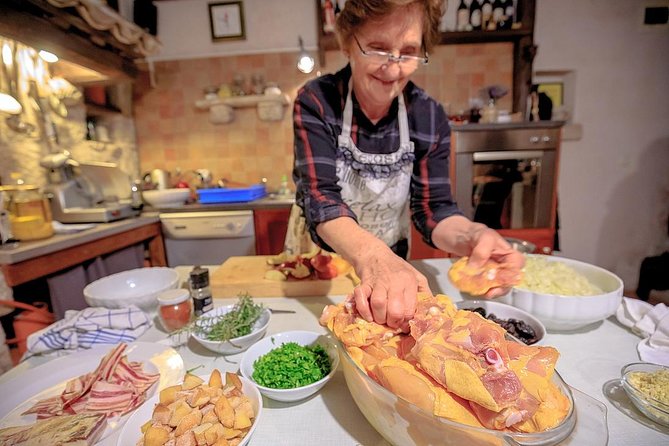
The advertised meal is a four-course lunch or dinner, but the exact dishes can vary. The sample menu begins with a charcuterie board of prosciutto, sausages, cheeses, pickles, and garden produce. Homemade bread, olive tapenade, and olive oil may join the spread.
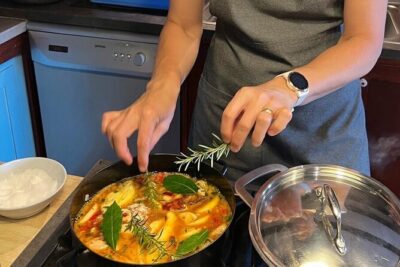
Next comes a vegetable soup made with fresh garden ingredients. Several accounts describe lentil soup, chicken soup, or soup with semolina dumplings. You may chop vegetables, clean potatoes, prepare herbs, or help with other basic tasks before the soup reaches the table.
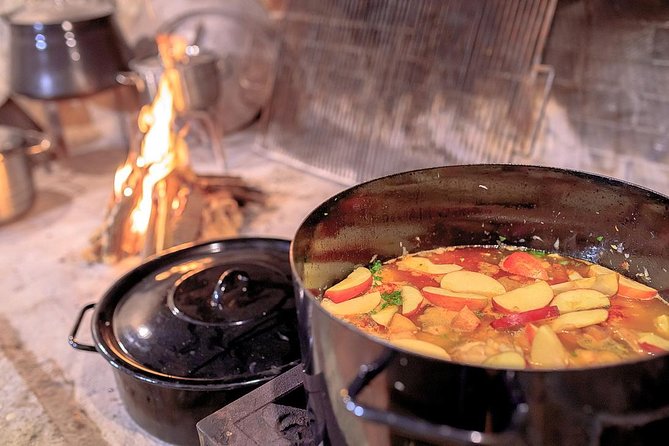
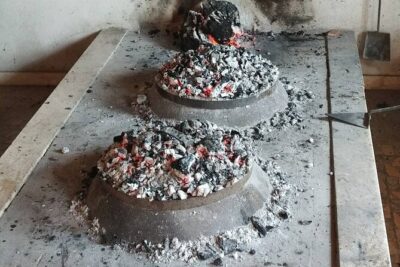
The main course is usually based on meat or fish with seasonal vegetables. Examples include Croatian chicken stew with pasta, roast meat, veal, pork, potatoes, carrots, or a special fish dish for a pescatarian. You may watch meat cooking slowly over an open fire under a covered pot, or see how the family smokes its cured meats.
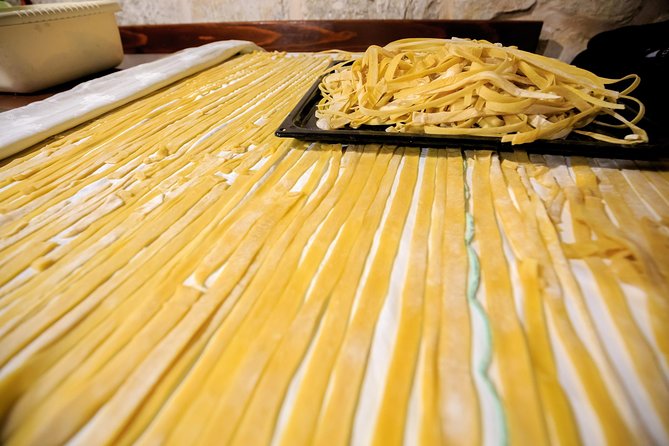
Dessert can be a local cake, homemade cookies, or a fried sweet similar to funnel cake. In some sessions, the group makes bread, pasta, several kinds of yeast dough, or cookies from scratch. You may also see a grandmother’s traditional pasta shape, a detail that connects the food to family practice rather than a generic Croatian menu.
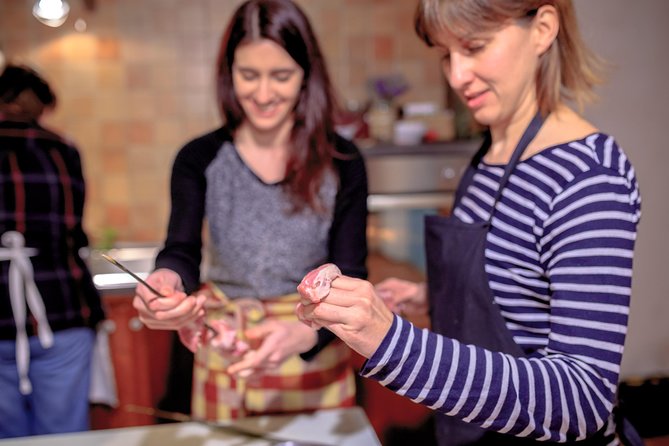
The strong point is the range of food. You are not just handed a plated meal. You can taste smoked meats and cheese, help with several preparations, and then sit down to eat a substantial feast. The weak point is that hands-on can mean different things. Some sessions involve chopping, kneading, assembling bread, making soup, and preparing dessert. Others offer only a few minutes of active cooking while the family handles the main course.
Same stretch of coast, a completely different day out:
- Blue Cave Small-Group Boat Tour from Dubrovnik
★ 5.0 · 9,360 reviews - Full-Day Dubrovnik Elaphite Islands Cruise with Lunch and Drinks
★ 5.0 · 8,823 reviews - Dubrovnik: Epic Game of Thrones Tour + Lokrum & Saver Option
★ 4.9 · 5,995 reviews - Dubrovnik: Elaphiti Islands Full-Day Cruise with Lunch
★ 5.0 · 5,938 reviews
A cooking class with a flexible definition
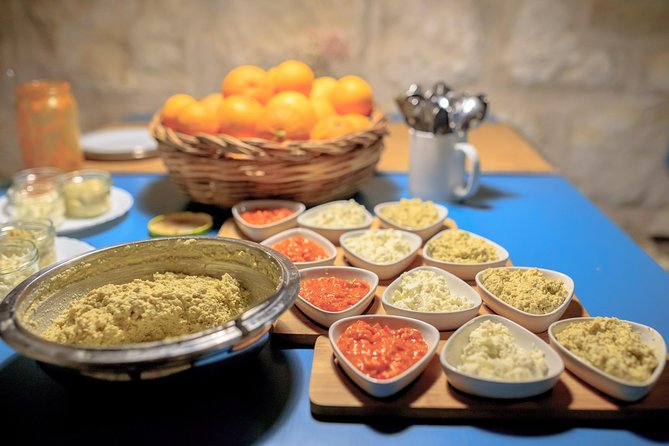
This is the most important thing to understand before paying the price. The experience is called a traditional cooking class, but it also works as a farm visit, cultural conversation, and family meal.
If you want exact measurements, printed recipes, detailed technique, and control over every course, you may find it lacking. One account describes little more than brief vegetable chopping, putting pork on skewers, and assembling bread. Recipes were not automatically provided, and follow-up material reportedly did not cover every dish or include full measurements.
Other accounts describe kneading bread, making fresh pasta, preparing soup, cooking vegetables, and creating dessert with plenty of help from the host. The difference may come from group size, menu, weather, timing, or how involved the host can be on a particular day.
I would contact the provider before booking if the educational side matters most. Ask what dishes will be prepared, how much cooking each person will do, and if recipes can be supplied. That small step can prevent a mismatch between a serious cooking lesson and a relaxed food-and-family outing.
The four-course meal and homemade drinks
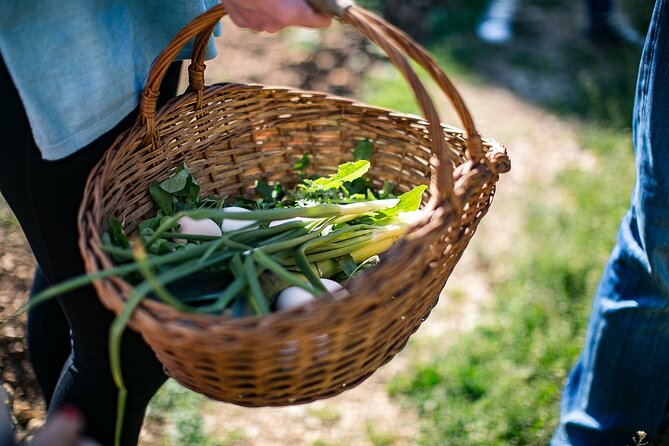
Come hungry. The meal is repeatedly described as generous, and the sequence can stretch beyond the advertised four courses when snacks, bread, salads, extra tastings, and dessert are included.
A typical progression may look like this:
- Welcome drink such as grappa, rose wine, or a homemade liqueur
- Cured meats, sausages, cheeses, pickles, spreads, and bread
- Fresh vegetable or lentil soup
- Meat, fish, or chicken with potatoes, pasta, salad, and garden vegetables
- Local cake, cookies, or another homemade sweet
Homemade red and white table wine is included, as are homemade liqueurs. Coffee and tea are also listed. Olive oil, jams, wine, liqueurs, souvenirs, and other personal purchases are extra, so keep some spending money if you want to take the farm’s products home.
The meal is a social event. You sit with the host family and the other participants, often on a patio or dining area with views over the surrounding hills and valley. For a solo visitor, the family-style setting can make the day easier and more welcoming, though someone seeking a quiet, private meal should know that conversation is part of the package.
Why the setting matters more than technique
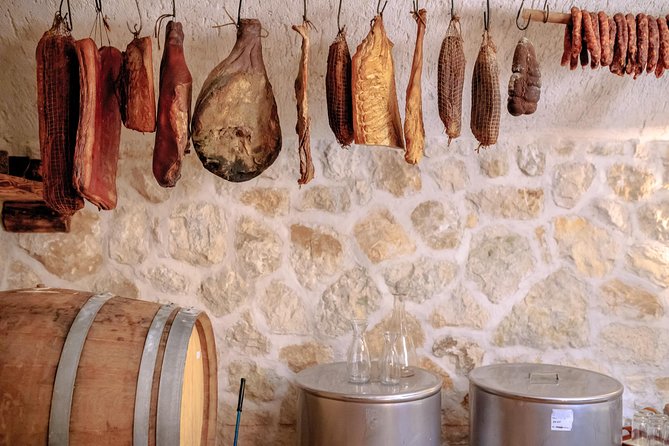
Dubrovnik has no shortage of seafood restaurants and attractive dining rooms. This experience gives you something those places cannot: a look at how food connects to land, family, animals, preservation, and memory.
You may see a smokehouse, stone farm buildings, an outdoor cooking area, an orchard, and the tools used for bread or wine. You can taste prosciutto, sausages, olive oil, wine, pickles, and preserves made by the household. Even if you already know how to chop vegetables or knead dough, the visit shows how these foods fit into daily life in the Dubrovnik region.
The family’s long connection to the property also gives the conversation weight. You may hear about farming methods, family members working together, rebuilding after wartime damage, and the way old customs fit into modern Croatian life.
That context is the best reason to choose this outing over a shorter city cooking demonstration. You are not only learning a dish. You are seeing the people and routines behind it.
Price, timing, and practical value
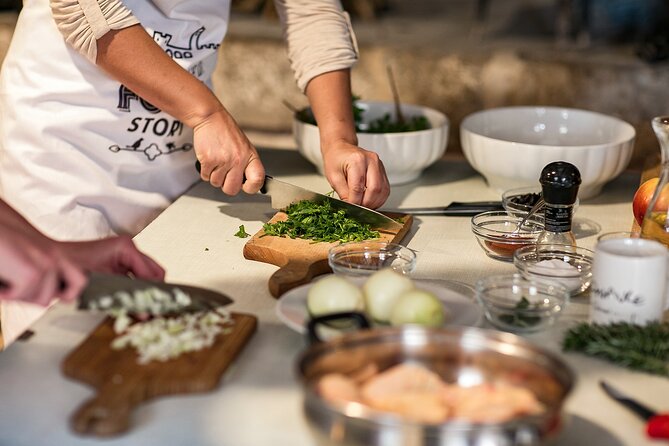
At $290.36 per person, this is a costly half-day experience. For two people, the total is more than $580 before any optional purchases. That puts it well above a basic cooking workshop or a self-guided meal at a local restaurant.
The price makes more sense if you use everything included: round-trip private transfer, a five-hour visit, a small group, a full meal, drinks, ingredients, equipment, and access to a family farm. You are paying for transport and hosting as much as instruction.
I think the value is strongest for couples, families, and small groups who want one memorable countryside day and would otherwise need to arrange transport, food, and a rural visit separately. It is less convincing for a budget-conscious solo visitor, especially since two people are required to book.
The five-hour length is also worth noting. With pickup, travel, garden time, animal visits, cooking, storytelling, and a full meal, the schedule can feel full without being rushed. If you have only one day in Dubrovnik, this uses a large part of it. If you have several days, it makes a good break from the old city.
Dietary needs and group considerations
Vegetarian options are available, but you must advise the provider at booking. Pescatarian needs have been accommodated, including a separate fish dish, which is encouraging.
Gluten-free visitors should be more cautious. A gluten-free participant was not able to make or eat the same bread and dessert as the rest of the group, and the alternative preparation was not considered satisfying. Tell the provider clearly at booking and ask exactly what you will be able to cook and eat.
The small-group format is a plus, but it does not guarantee equal kitchen time. In a group of eight or ten, some people may spend more time chopping or kneading while others watch. If you want maximum participation, a smaller booking is likely preferable, though the supplied information does not promise a private class.
Free cancellation is available when you cancel at least 24 hours before the start time. Changes or cancellations inside that window are not accepted for a refund. The cutoff follows local time.
Who should book this countryside experience?
I would choose this for you if you:
- Want a personal look at Croatian family life
- Enjoy long meals, local drinks, and relaxed conversation
- Like gardens, animals, old homes, and rural settings
- Prefer simple home cooking to advanced culinary technique
- Need hotel pickup from Dubrovnik
- Are happy to share the experience with a small group
I would hesitate if you:
- Want a structured chef-led lesson with printed recipes
- Need strict control over ingredients or cooking methods
- Have a serious gluten-free requirement that must match the group menu
- Are watching your budget closely
- Prefer a short, highly organized activity with little conversation
Should you book the traditional cooking class?
Book it if your idea of a cooking class includes a family story, a garden walk, homemade wine, animals, and a large meal served at the end. The strongest parts are the welcome from hosts such as Nikolina, the farm-to-table ingredients, the countryside setting, and the feeling of being included in a working household.
Do not book it expecting a professional culinary course. The amount of hands-on cooking can vary, and recipes or precise instruction are not assured. At $290.36 per person, that distinction matters.
For the right person, this is one of Dubrovnik’s more personal food experiences: less about mastering a complicated dish, more about understanding where Dalmatian cooking comes from. Ask about the day’s menu and your dietary needs before booking, then arrive ready to eat, talk, and enjoy the slower side of Croatia.
FAQ
Where does the cooking class take place?
The experience takes place in the countryside outside Dubrovnik, at a family home and farm. Pickup is arranged from the closest point to your private accommodation or hotel in Dubrovnik and the surrounding area.
How long does the experience last?
The stated duration is approximately five hours. This includes transportation, the cooking activities, the farm visit, the meal, and time with the host family.
Is hotel pickup included?
Yes. Round-trip pickup and drop-off by private car or minivan are included. The exact pickup point is based on your hotel or private accommodation.
How many people can join?
A minimum of two people is required per booking. A booking can include up to eight people, and the overall activity has a maximum of ten participants.
What food is included?
The advertised meal is a four-course lunch or dinner. The sample menu includes cured meats, sausages, cheeses, pickles, homemade vegetable soup, a local meat or fish dish with seasonal vegetables, and an authentic local cake.
Are drinks included?
Yes. Coffee or tea, homemade liqueurs, and homemade white and red table wine are included.
Is a vegetarian option available?
Yes. A vegetarian option is available, but you must advise the provider of the requirement when booking.
Can I cancel for a full refund?
Yes, if you cancel at least 24 hours before the experience start time. Cancellations or changes made less than 24 hours before the start time are not accepted for a refund.
Just added around Dubrovnik
- Full- Day Private Speedboat Tour in Dubrovnik on Elaphiti Islands★ 5.0 · 21 reviews
- Elaphiti Islands Private Dubrovnik Boat Unique Experience★ 5.0 · 10 reviews
- PRIVATE Wine Tour to Konavle country side★ 5.0 · 11 reviews
- Parasailing in Cavtat★ 5.0 · 62 reviews
- Wine tour peninsula Pelješac★ 5.0 · 3 reviews
- Wine Lover’s Tour of Peljesac Peninsula★ 5.0 · 150 reviews
- Welcome to Dubrovnik Walking Tour★ 5.0 · 36 reviews
- Dubrovnik at War 1991-1992 Private Walking Tour★ 5.0 · 4 reviews
Cooking Classes, compared.
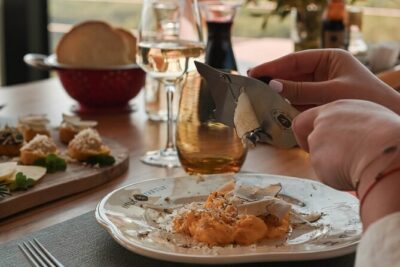
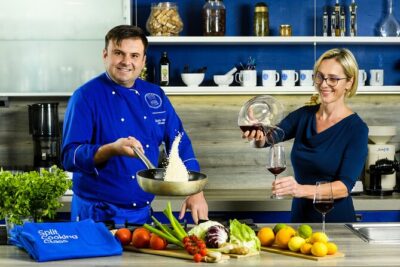
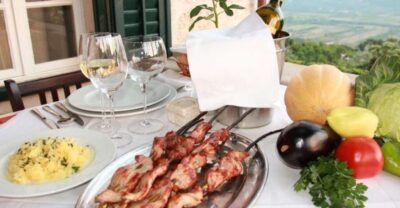
Traditional Dalmatian Cooking Class from Dubrovnik
Read our review →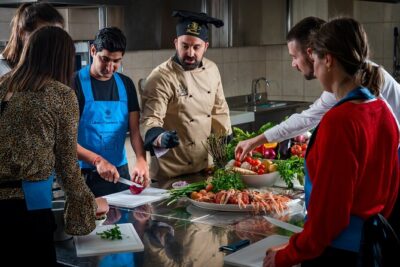
Culinary Experience – Cooking Class & Walking Tour Split
Read our review →
Authentic Garden to Table Cooking Class in Dubrovnik Countryside
Read our review →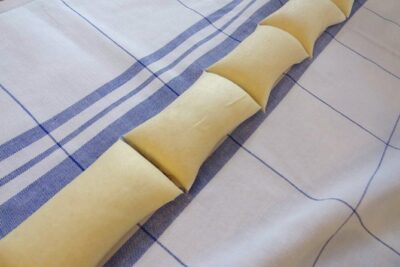
Croatian Traditional Cuisine: Peka Cooking Lesson
Read our review →Browse the lists this tour appears in