
Reviewed · COOKING CLASSES
Traditional Dalmatian Cooking Class from Dubrovnik
The best part of this experience is that you do not simply watch a chef prepare Dalmatian food. You pick vegetables, handle the ingredients, and cook beside a local family at a country estate outside Dubrovnik. The meal might include peka, stew, skewers, rustic bread, cheese, or dessert, depending on the season.
I like the garden-to-table setting and the warm family welcome. I also like that guides such as Marija, Oliver, and Miho add useful context on Croatian food, farms, wine, and daily life. The main drawback is that this is not a polished, step-by-step culinary school class, and it is not suitable for vegans or people with mobility impairments.
In This Review
- Key points at a glance
- Leaving Dubrovnik for a country estate
- What makes Dalmatian cooking different
- Picking vegetables, tasting herbs, and making bread
- Cooking beside the family
- The possible dishes and what to expect
- The meal at the end
- The family welcome is the real draw
- Is $235 a fair price?
- Who should book this cooking day?
- Practical tips for a better day
- Should you book Traditional Dalmatian Cooking Class from Dubrovnik?
- FAQ
- Where does the cooking class take place?
- How much does the experience cost?
- Is transportation from Dubrovnik included?
- Is a guide included?
- What food will I prepare?
- How many courses are included?
- Are drinks included?
- Can vegans join?
- What should I wear?
- Is the tour wheelchair accessible?
Key points at a glance
- A four-course meal you help make: Prepare and eat a seasonal Dalmatian menu with local cooks.
- Hands-on farm work: Pick vegetables and fruit, mix bread, taste wild herbs, and possibly milk a goat.
- Traditional cooking methods: You might prepare peka, stews, meat skewers, cheese, open-fire dishes, or rustic desserts.
- A local family setting: Spend time at a working country estate rather than in a restaurant kitchen.
- Transport from Dubrovnik: Travel in an air-conditioned vehicle with an English-speaking licensed guide.
- Best for food lovers and culture seekers: Skip this one if you want a formal class, vegan food, or wheelchair access.
Leaving Dubrovnik for a country estate
This experience begins with transport from Dubrovnik in an air-conditioned vehicle. The drive matters because it shifts the day away from the crowded old city and toward the rural side of the region. Guides have used the ride to point out places of interest and explain Croatian history, food, and local customs.
Marija has been praised as a thoughtful host on the journey, while Oliver and Miho have also led departures. The exact guide and family may vary, but the basic pattern is the same: you meet the guide, travel out of Dubrovnik, and arrive at a family property where the cooking takes place.
You receive a welcome drink on arrival, then get the equipment and instructions needed for the day. Do not expect a restaurant-style demonstration where you sit back and take notes. The appeal is participation from the first preparation to the final meal.
The schedule is described as a full-day experience, though some descriptions place the main visit in the afternoon or evening. Plan to keep a large part of the day open. This is not a quick two-hour class you can squeeze between city sightseeing and dinner.
A few more Dubrovnik trips to weigh up
- Traditional Cooking Class in Dubrovnik Countryside
★ 5.0 · 168 reviews - Authentic Garden to Table Cooking Class in Dubrovnik Countryside
★ 5.0 · 17 reviews - Croatian Traditional Cuisine: Peka Cooking Lesson
★ 5.0 · 10 reviews
What makes Dalmatian cooking different
Dalmatian food is built around straightforward ingredients: fish and meat, garden vegetables, potatoes, cabbage, bread, fruit, herbs, olive oil, cheese, and local drinks. The cooking is often less about complicated technique than about using good produce and giving it time over heat.
That makes this class useful even if you are not an experienced cook. You are learning how local families turn ordinary farm ingredients into a filling meal. Recipes are passed down by word of mouth, and the menu changes according to what is fresh and available.
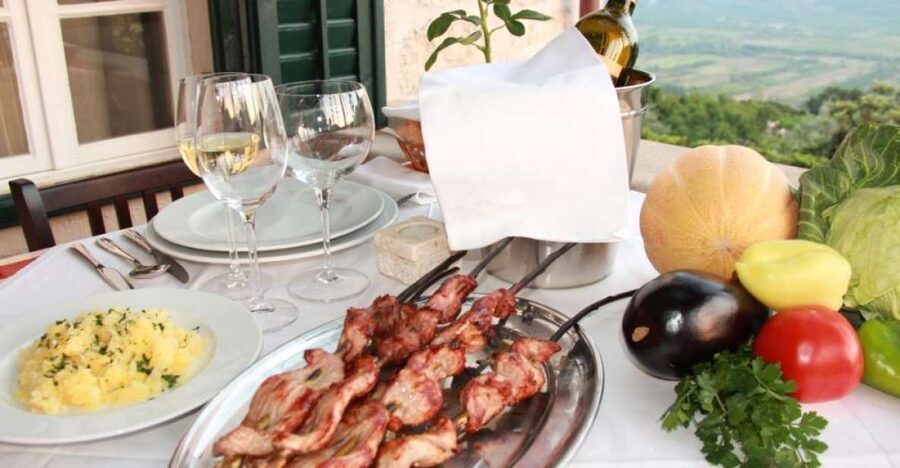
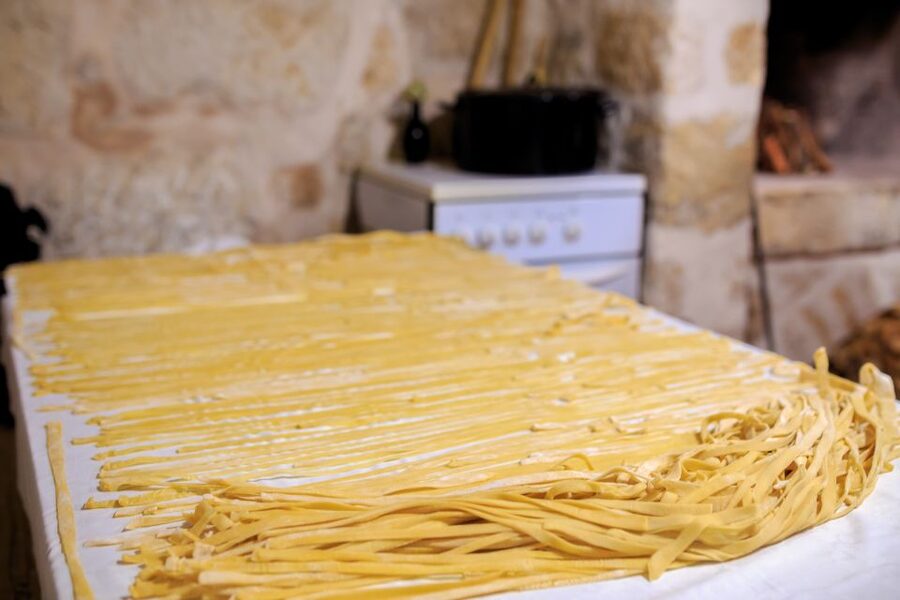
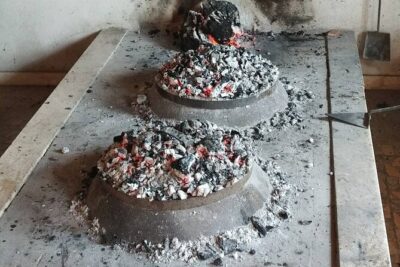
You might prepare Dalmatian peka, in which lamb or veal cooks under an iron bell. Other possible dishes include menestra, a cabbage and potato stew, meat skewers, chicken stew, homemade bread, dumpling soup, vegetables, cheese, and dessert.
The menu is seasonal, so you should not book expecting one fixed list of dishes. That uncertainty is part of the point. The cooking reflects the household and the garden rather than a menu designed months in advance.
Picking vegetables, tasting herbs, and making bread
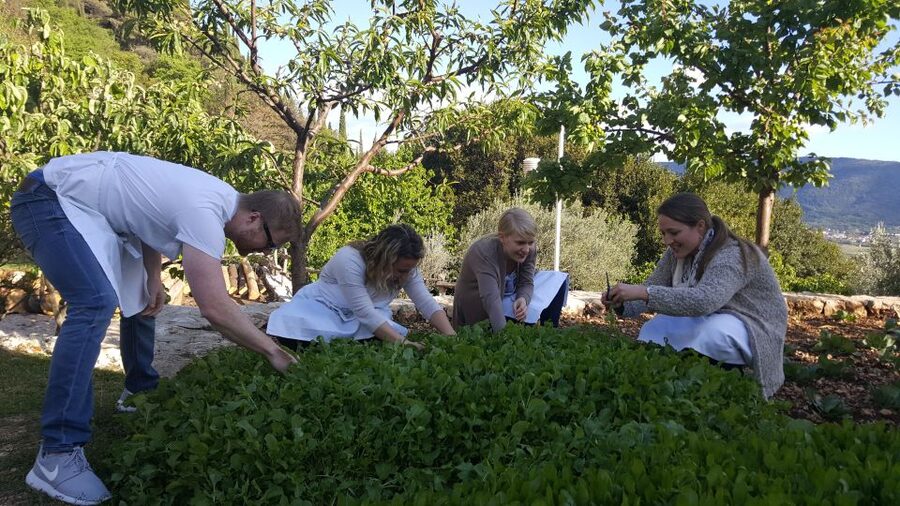
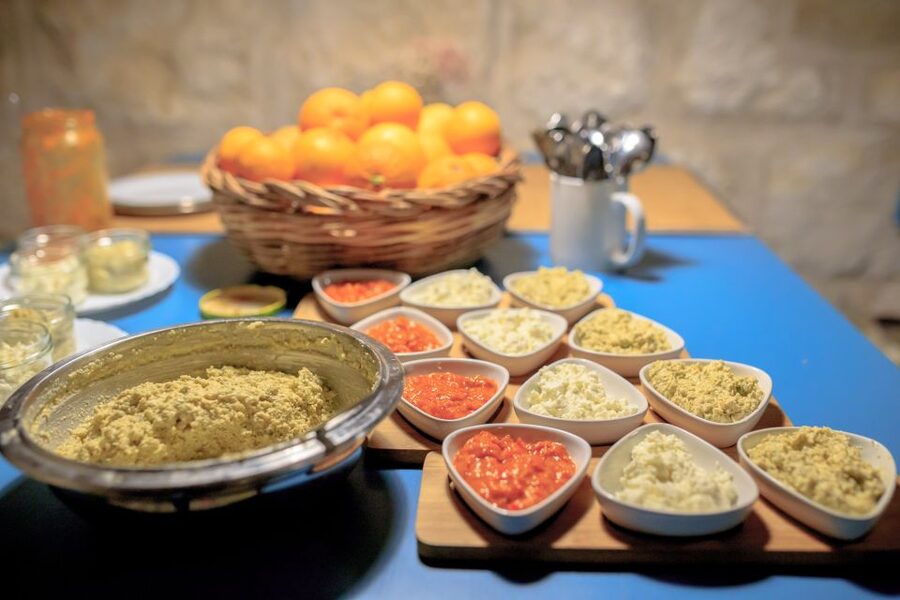
The farm element gives the day its strongest sense of place. You may collect vegetables and fruit directly from the garden before helping prepare them for the meal. This simple step shows you how closely Croatian country cooking is tied to the growing season.
You may also taste wild spices and put your fingers into bread mixtures. That hands-on work can get messy, so wear clothes you are happy to cook in. Comfortable shoes are important too, especially if you will be moving around a property and garden.
A goat-milking demonstration or activity is also part of the experience, with fresh cheese available from the farm. This is not a staged food tasting in a shop. It connects the finished cheese to the animal, the family, and the work involved in producing it.
I especially like this part for families and curious eaters who want more than a recipe card. Children and adults can see how ingredients move from garden or farm to table. The drawback is that people looking for precise instruction on knife skills, measurements, and restaurant techniques may find the format loose.
Cooking beside the family
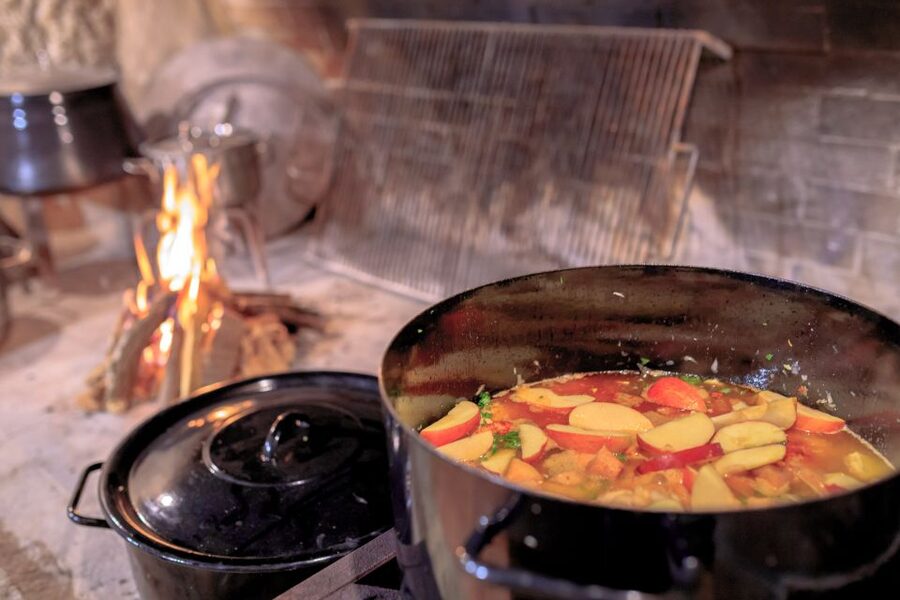
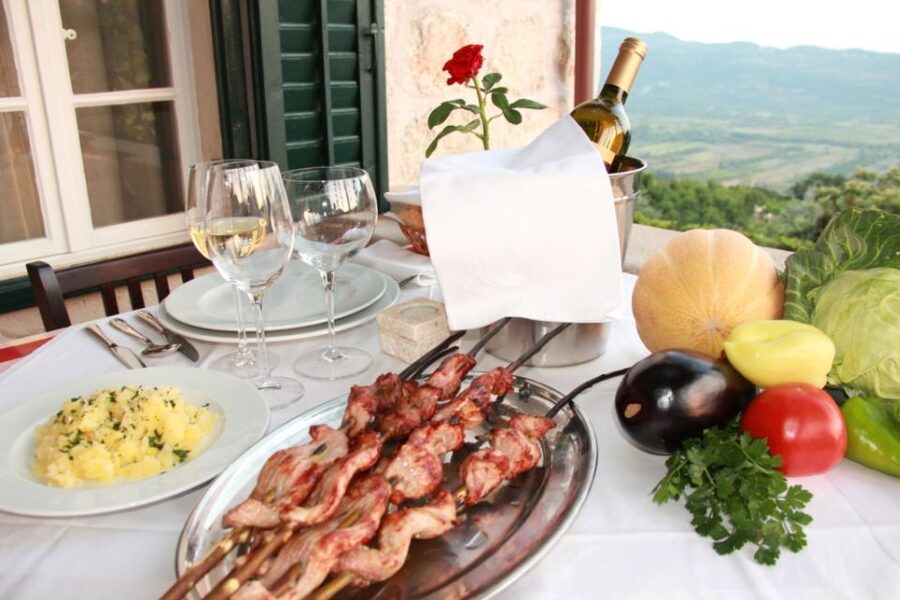
The cooking takes place with the local family, often including the family matriarch in the kitchen. One account describes Ba Ba guiding the preparation of bread, dumpling soup, vegetables, cheese, and pork skewers cooked on bay-leaf branches over an open fire.
That detail gives you a good idea of the tone. This is not only about producing four dishes. You are also hearing about the property, family traditions, agriculture, and rural life in Croatia. The hosts explain what they are doing while keeping you involved.
The cooking may happen in a traditional outdoor kitchen or around an open fire. It is a different setting from a modern cooking studio, and conditions may be less controlled. Heat, smoke, uneven ground, and changing weather can all be part of a country-house meal.
For me, that trade-off works in the tour’s favor. You are not being sold a polished performance. You are being welcomed into a working family setting, where the cooking has a practical purpose and the food is made to be eaten.
Same stretch of coast, a completely different day out:
- Blue Cave Small-Group Boat Tour from Dubrovnik
★ 5.0 · 9,360 reviews - Full-Day Dubrovnik Elaphite Islands Cruise with Lunch and Drinks
★ 5.0 · 8,823 reviews - Dubrovnik: Epic Game of Thrones Tour + Lokrum & Saver Option
★ 4.9 · 5,995 reviews - Dubrovnik: Elaphiti Islands Full-Day Cruise with Lunch
★ 5.0 · 5,938 reviews
The possible dishes and what to expect
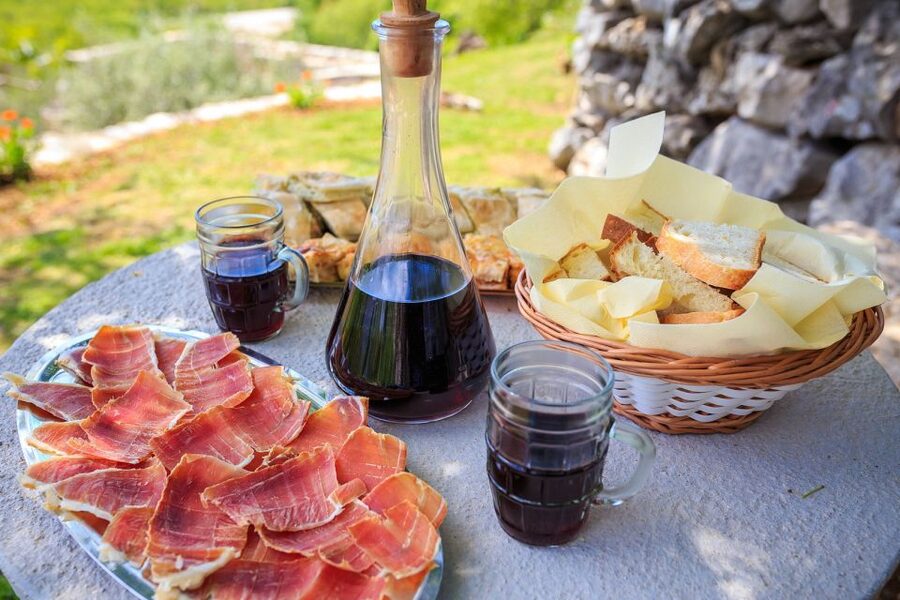
Because the menu changes, it helps to know the range of food rather than one promised recipe. Peka is one of the most distinctive possibilities. Meat and potatoes cook slowly under an iron bell, producing the hearty, shared style of meal associated with rural Dalmatia.
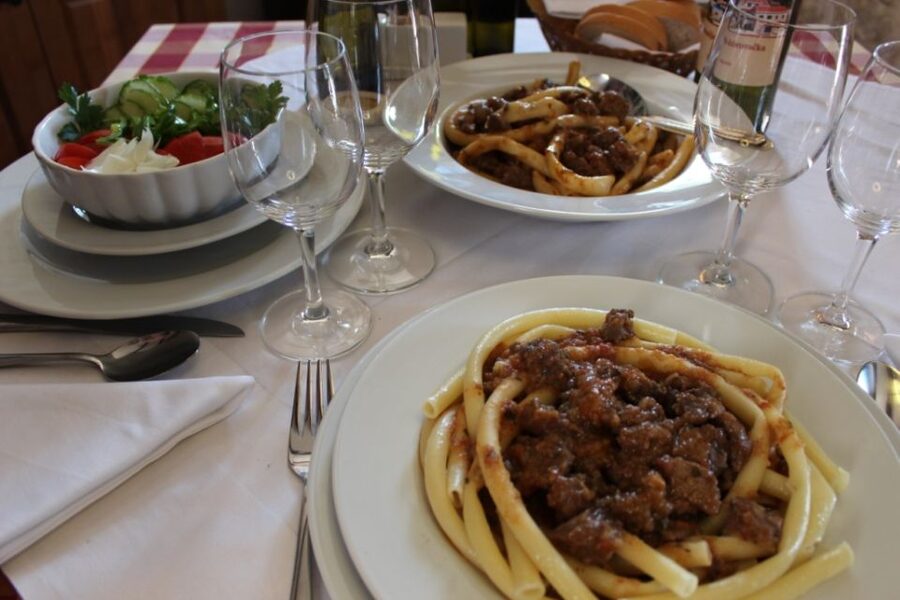
Menestra offers a different taste of the region. This cabbage and potato stew is humble, filling food, and a useful reminder that Croatian cooking is not only grilled meat and seafood.
You might also prepare meat skewers, chicken stew, rustic bread, dumpling soup, garden vegetables, fresh cheese, pancakes, or another homemade dessert. Some participants have described more food than they could finish, so arrive hungry but do not plan a separate large meal immediately afterward.
The four-course menu is included, along with wine, liquor, brandy, juice, and water. Local wine and homemade spirits are part of the meal rather than an optional extra. If you do not drink alcohol, juice and water are available.
The food is likely to appeal most to people who enjoy meat, dairy, bread, and traditional home cooking. The experience is specifically not recommended for vegans. Vegetarian needs are not explained in the supplied information, so ask before booking if you have dietary restrictions beyond vegan food.
The meal at the end
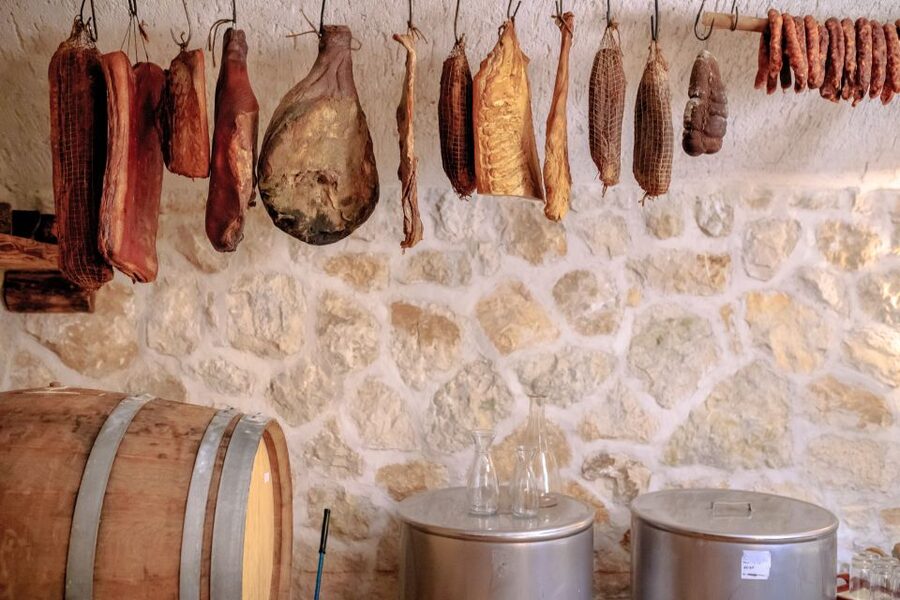
After the preparation, you sit down at the estate and eat what you helped make. This shared meal is the payoff, but it is also where the cultural side of the day becomes clearest.
You are not simply tasting a dish while a waiter explains it. You know which vegetables came from the garden, who showed you the family method, and how the bread or stew came together. The meal has a story because you took part in it.
Wine, brandy, liquor, juice, and water are included. Some accounts also describe local olive oil and homemade wine served during the meal. Eat at a relaxed pace, since the food is plentiful and the atmosphere is built around conversation.
Dessert may be included, but the exact offering can change. Pancakes have been part of the spread, and they looked tempting enough to leave some people wishing they had saved room. That is a useful warning: pace yourself through the bread, cheese, meat, and stew.
The family welcome is the real draw
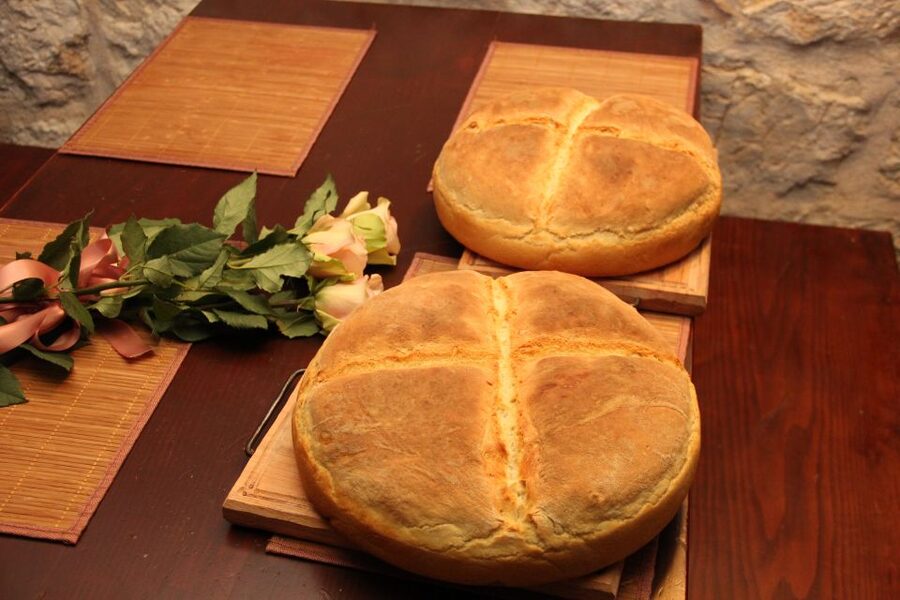
The most consistently praised feature is the hospitality. The family shares its home, food, property, and background rather than presenting a short commercial demonstration.
You may hear about the history of the estate, the family’s way of life, and the work involved in farming and cooking. The setting has been described as beautiful and welcoming, with the hosts making visitors feel part of the household.
That warmth can make the day feel personal, but it also means the experience depends partly on the family and guide assigned to your departure. Marija has been praised for her Croatian history and local context. Oliver has been appreciated for his explanations during the drive, while Miho has provided background on Bosnian wine and food.
The provider is Dubrovnik FOOD Story. The tour language is English. If you value conversation and cultural exchange, this is a major strength. If you prefer a predictable class with a fixed menu, printed recipes, and tightly timed instruction, you may want a different format.
Is $235 a fair price?
At $235 per person, this is an expensive day compared with simply eating at a Dubrovnik restaurant. The price includes transportation, a licensed guide, cooking equipment, drinks, and a seasonal four-course meal. It also covers the time and access involved in visiting a private family estate.
I see the value in the combination. You are paying for transport into the countryside, a guide, a farm visit, practical food preparation, a family-hosted meal, and drinks. A restaurant dinner can provide excellent food, but it will not give you the same contact with the garden, goat, open-fire cooking, or family life.
The value is weaker if you only want to learn a few recipes. You may spend much of the day talking, collecting ingredients, eating, and watching parts of the process. This is a cultural food outing with cooking at its center, not a technical chef-training session.
The reserve-now, pay-later option can help if your Dubrovnik schedule is still changing. Cancellation is allowed up to 24 hours before the experience for a full refund. Souvenirs and food or drink products bought to take home are not included.
Who should book this cooking day?
I would choose this experience if you want to leave Dubrovnik’s old city for a personal look at rural Croatia. It suits couples, families, small groups, and food lovers who enjoy being useful in the kitchen rather than sitting through a formal demonstration.
It is also a good choice for anyone who wants a meal with a strong local connection. Picking vegetables, tasting herbs, making bread, and learning about goat milk bring the region to life in ways a standard food tour cannot.
You should think twice if you are vegan. The menu may include meat, dairy, bread, and alcohol, and the experience is not recommended for vegans.
It is also not suitable for people with mobility impairments or wheelchair users. Comfortable shoes are required, and high heels are not allowed. The property, garden, outdoor kitchen, and farm activities may involve surfaces and movement that are difficult for some people.
Practical tips for a better day
Wear comfortable clothes that can handle flour, garden work, smoke, and food spills. Choose sturdy, comfortable shoes, and leave high heels at the hotel.
Keep your schedule flexible. The experience is described as a full day, and the family meal is meant to unfold at an easy pace rather than follow a rushed city-tour timetable.
Ask about the day’s menu if you have dietary concerns. The food depends on the season and household supply, so you should not assume that a particular dish will be served.
Bring an appetite, but do not eat a huge breakfast or lunch beforehand. The four-course meal is substantial, and local wine, brandy, and other drinks are included.
If you want food products or drinks to take home, budget separately. Souvenirs are not part of the price.
Should you book Traditional Dalmatian Cooking Class from Dubrovnik?
Book it if you want a farm-to-table day with people, not just a lesson in recipes. The garden, open-fire cooking, family stories, local drinks, and large shared meal create a fuller picture of Dalmatian life than a restaurant visit can provide.
Skip it if you need a formal culinary curriculum, guaranteed dishes, vegan food, or wheelchair access. At $235, the price asks you to value the whole day, not only the food.
For the right person, this is one of the better ways to step beyond Dubrovnik’s stone streets and meet the countryside through its kitchen.
FAQ
Where does the cooking class take place?
It takes place at a typical country house or family estate in the countryside outside Dubrovnik, in the Dalmatian region of Croatia.
How much does the experience cost?
The listed price is $235 per person.
Is transportation from Dubrovnik included?
Yes. Transportation is provided in an air-conditioned vehicle.
Is a guide included?
Yes. A licensed guide is included, and the tour is conducted in English.
What food will I prepare?
The seasonal menu can include Dalmatian peka, menestra, meat skewers, chicken stew, rustic bread, dumpling soup, vegetables, fresh cheese, and desserts. The exact dishes depend on the season and what is available.
How many courses are included?
A seasonal four-course menu is included.
Are drinks included?
Yes. Wine, liquors, brandy, juice, and water are included with the experience.
Can vegans join?
No. The experience is not recommended for vegans.
What should I wear?
Wear comfortable clothes and comfortable shoes. High-heeled shoes are not allowed.
Is the tour wheelchair accessible?
No. It is not suitable for wheelchair users or people with mobility impairments.
Just added around Dubrovnik
- Elaphiti Islands Private Dubrovnik Boat Unique Experience★ 5.0 · 10 reviews
- Full- Day Private Speedboat Tour in Dubrovnik on Elaphiti Islands★ 5.0 · 21 reviews
- PRIVATE Wine Tour to Konavle country side★ 5.0 · 11 reviews
- Parasailing in Cavtat★ 5.0 · 62 reviews
- Wine tour peninsula Pelješac★ 5.0 · 3 reviews
- Wine Lover’s Tour of Peljesac Peninsula★ 5.0 · 150 reviews
- Welcome to Dubrovnik Walking Tour★ 5.0 · 36 reviews
- Dubrovnik at War 1991-1992 Private Walking Tour★ 5.0 · 4 reviews
Cooking Classes, compared.
Traditional Cooking Class in Dubrovnik Countryside
Read our review →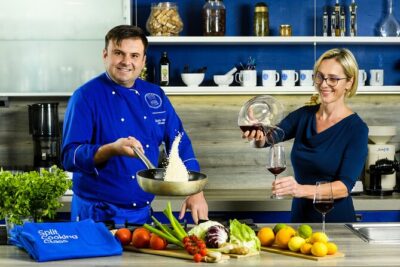
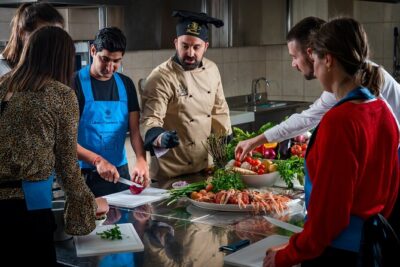
Culinary Experience – Cooking Class & Walking Tour Split
Read our review →
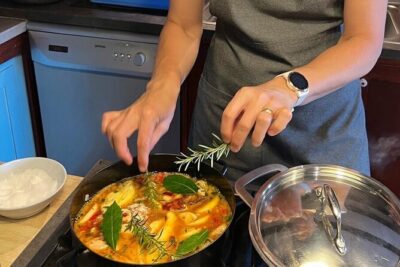
Authentic Garden to Table Cooking Class in Dubrovnik Countryside
Read our review →
Croatian Traditional Cuisine: Peka Cooking Lesson
Read our review →Browse the lists this tour appears in