
Reviewed · MUSEUMS
Pula: House of Istrian Olive Oil Museum and Guided Tasting
Pula’s House of Istrian Olive Oil turns a familiar kitchen staple into a proper tasting lesson. You’ll see how Romans produced and shipped oil, watch the old and new methods on film, then compare five Istrian extra virgin oils with an ordinary supermarket example. The tasting is the heart of the visit, because it teaches you what quality actually tastes like.
I like the clear link between Pula’s Roman past and today’s food culture, and I like that the visit works well on a rainy afternoon. The dessert paired with olive oil is a clever final touch. The main consideration is price: at $35 per person, this is best for curious food lovers rather than anyone looking only for a quick museum stop.
In This Review
- Key Points at a Glance
- Entering the House of Istrian Olive Oil in Central Pula
- Roman Oil Making and Pula’s Trading Past
- The Tasting Room: Five Oils, One Supermarket Comparison
- Learning to Spot Good and Bad Olive Oil
- The Dessert Pairing Is More Than a Gimmick
- The Shop: Oils, Truffles, Brandy, and Lavender Goods
- Is $35 a Fair Price in Pula?
- Who Will Enjoy This Pula Food Experience?
- Practical Details Before You Book
- Should You Book the House of Istrian Olive Oil?
- FAQ
- Where is the House of Istrian Olive Oil?
- How much does the experience cost?
- How many olive oils do you taste?
- Is a dessert included?
- What languages are available?
- Can I cancel the booking?
Key Points at a Glance
- Five extra virgin oils compared: You taste several Istrian oils and learn to judge aroma, flavor, texture, and appearance.
- Roman production explained: The visit connects ancient olive-oil making with Pula’s Roman heritage and trade routes.
- Two short films: One shows traditional production, while the other explains how oil is made today.
- A practical tasting lesson: You learn to spot positive and negative qualities, including flaws often hidden in supermarket oil.
- Dessert with olive oil: The tasting ends with a sweet pairing that shows how flexible good oil can be.
- Local products in the shop: You can browse Istrian oils, brandies, truffles, lavender cosmetics, and souvenirs.
Entering the House of Istrian Olive Oil in Central Pula
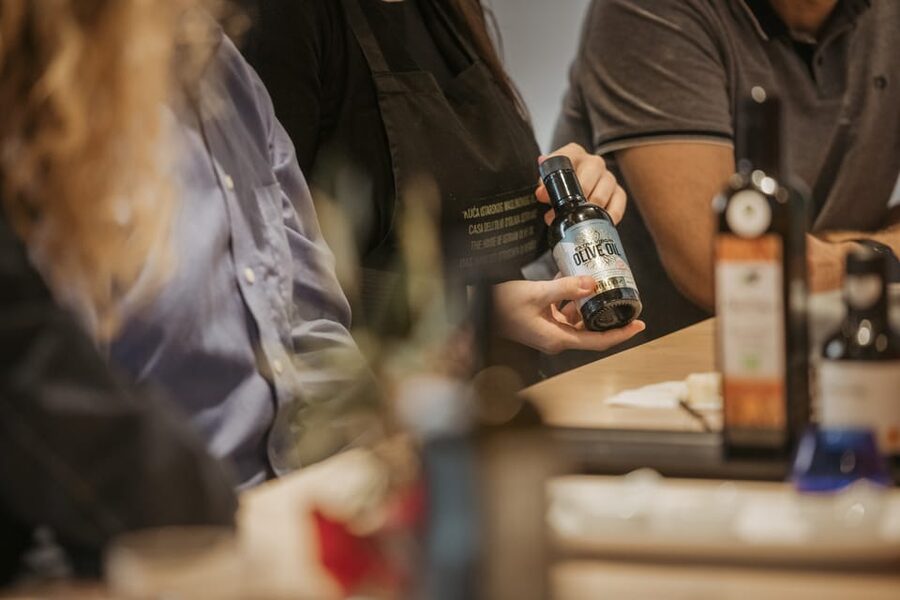
The House of Istrian Olive Oil sits in the center of Pula, so it is easy to add to a day spent exploring the city. You do not need to leave town or arrange transport into the countryside to get an introduction to Istria’s olive-growing traditions.
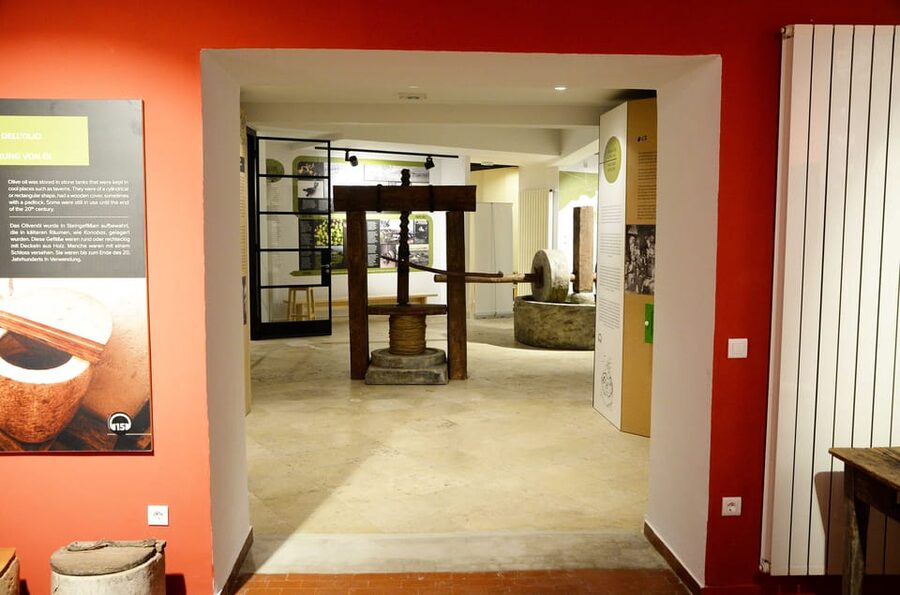
That central location matters. Pula is known for its Roman remains, and this visit gives you a different way to understand that past. Olive oil was not simply food for the Romans. It was a valuable product used in cooking, trade, lighting, medicine, and daily life. Here, you learn where Roman oil was made and how it moved into wider markets.
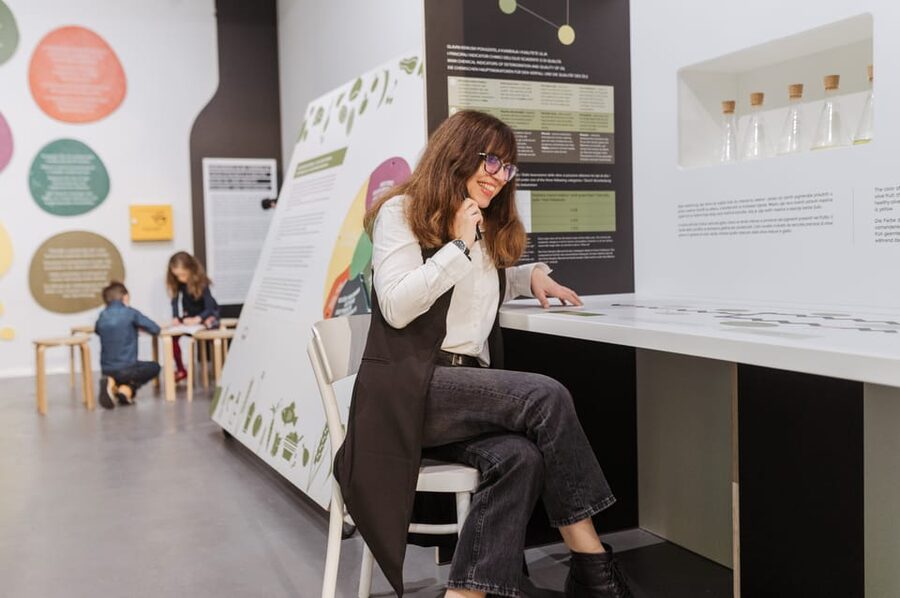
The museum setting is designed to be entertaining rather than dry. The displays explain the subject in a way that suits visitors who want useful information without sitting through a long academic lecture. You can take the experience at an easy pace before moving to the more hands-on tasting.
An audio guide is available in 12 languages, which helps if you prefer to read or listen at your own speed. The guided tasting is offered in English or German. Since no specific guide name is provided, you should not expect a named celebrity expert, but the staff member leading the tasting can answer questions and explain the oils with enthusiasm.
A few more Pula trips to weigh up
- Istria: Guided Tour of Inner Istria with Food Tasting
★ 5.0 · 67 reviews - Olive Oil Guided Tasting and History in Pula
★ 4.5 · 34 reviews - Pula Food Walking Tour
★ 4.5 · 22 reviews
Roman Oil Making and Pula’s Trading Past
The first part of the visit focuses on the long story of olive oil in Istria. You’ll learn how Romans produced oil and how it was exported. This gives the tasting useful context, since Istrian oil is not a new food trend created for modern restaurants. The region has been making it for centuries.
I find this section most useful when you connect it to what you see later in the tasting room. Ancient producers had fewer machines and different tools, but the basic goal was the same: harvest olives at the right stage, press them carefully, and protect the oil from damage.
The museum also shows two short films. One covers the traditional way of making olive oil, and the other explains modern production. The contrast helps you understand what machinery has changed and what careful producers still need to get right.
Do not expect a full working olive grove or a long outdoor production visit. This is an indoor museum experience in Pula. If you want to walk among olive trees or see a current harvest in the countryside, you’ll need a different excursion. For a compact city visit, though, the films make good use of the available space and time.
The traditional method is valuable because it shows how much work once went into each bottle. The modern film then explains why technology can improve cleanliness, speed, and control. You get a basic answer to an important question: modern does not automatically mean less authentic, and old does not automatically mean better.
The Tasting Room: Five Oils, One Supermarket Comparison
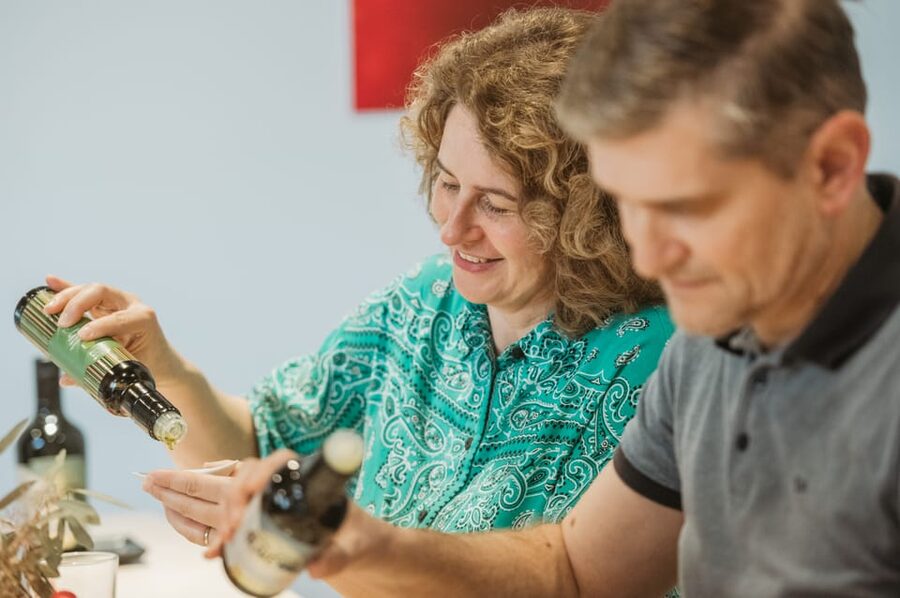
After the museum portion, you sit down for a guided tasting of five extra virgin olive oils. This is where the visit becomes practical. Instead of simply being told that Istrian oil is good, you get a chance to examine several examples side by side.
You’ll be guided through four main points:
- Aroma: What you smell before tasting can reveal freshness, fruitiness, and defects.
- Flavor: Good oil may show green, grassy, peppery, bitter, or fruity notes.
- Texture: The feel in your mouth helps separate a lively oil from a flat one.
- Appearance: Color can be interesting, but it is not a reliable quality test by itself.
The comparison with a typical supermarket oil is especially helpful. Many people buy olive oil by habit and judge it only by price or label. This tasting gives you a direct reference point. You can notice how a fresh extra virgin oil behaves differently from an oil that is bland, stale, or poorly made.
The lesson is not that every supermarket bottle is bad. The useful point is that labels and low prices do not tell the whole story. You learn to recognize both positive and negative attributes, so you can make better choices at home instead of relying on marketing.
A strong extra virgin olive oil may have a fresh smell and a clear character. It might feel slightly bitter or peppery. Those sensations can surprise you if you are used to mild oil, but they are part of the appeal. The tasting helps you separate pleasant bitterness and pepper from unpleasant rancid or musty flavors.
The session also makes clear that personal taste matters. You may prefer a softer oil for bread or a sharper one for salads. The guide’s job is not to tell you one oil is correct for every meal. You learn what you are tasting, then decide what suits your cooking.
Learning to Spot Good and Bad Olive Oil
The strongest part of this experience is its usefulness after you leave. A museum display can be interesting for an hour, but a tasting lesson can change what you buy for years.
You’ll learn that quality oil should be judged by more than its color. A bright green bottle or dark glass does not guarantee excellent oil. Likewise, a pale oil is not automatically poor. Aroma and flavor tell you more than appearance, and the guided comparison makes that easier to understand.
The tasting also introduces negative qualities. This is important because many people think olive oil has only one flavor: oily. You’ll learn that stale, flat, or unpleasant notes can signal problems with age, storage, or production.
Use this knowledge at home. Keep your oil away from heat and direct light, and pay attention to how it smells when you open it. You’ll still need to read labels and consider harvest information when available, but your own senses become another tool.
The experience does not turn you into a professional taster in one sitting. It gives you a vocabulary and a reference point. That is enough to make the $35 easier to justify if you cook often or want to bring home a serious food souvenir.
One visitor described mainstream oils as devils in disguise, which is a colorful way to express the lesson. The point is less dramatic but more useful: an inexpensive, familiar oil may hide a lack of freshness or character, and you may not notice until you compare it with a better product.
Same stretch of coast, a completely different day out:
- Medulin -Kamenjak 5h boat trip with lunch & drinks on Sandra Boat
★ 5.0 · 1,621 reviews - Full-Day Boat Tour of the Medulin Archipelago from Medulin
★ 5.0 · 1,389 reviews - 3hours all inclusive Sunset&Dolphin Tour from Medulin on Sandra
★ 5.0 · 1,130 reviews - Dolphin Watching & Sunset Boat Tour With Dinner and Drinks
★ 5.0 · 1,075 reviews
The Dessert Pairing Is More Than a Gimmick
The tasting includes a sweet dessert paired with a selected olive oil. This may sound unusual if you normally use olive oil only for savory food, but it shows that good oil can work beyond salads, vegetables, and bread.
The dessert pairing gives the session a pleasant finish and helps you think about olive oil as a flavor, not just a cooking liquid. A fruity or peppery oil can change the balance of a sweet dish. The pairing is selected for you, so you do not have to guess which oil works best.
This part is brief compared with the main tasting, but it adds variety. It also gives you an idea to take home. Once you understand the basic flavor differences, you can experiment with desserts or other foods in your own kitchen.
If you prefer a traditional tasting with bread and savory foods only, the dessert may feel like a novelty. I see it as a small but worthwhile extra, particularly because it reinforces the main lesson: the right oil has a clear flavor and can be matched with food in thoughtful ways.
The Shop: Oils, Truffles, Brandy, and Lavender Goods
You finish near a shop stocked with Istrian products. The selection includes extra virgin olive oils, brandies, truffles, lavender-based cosmetics, and souvenirs.
This is useful if you want to take home something tied to the region without spending time hunting through several stores. The tasting also gives you a better chance of choosing an oil you actually like. You can remember whether you preferred a mild, fruity, or more peppery style and select accordingly.
The shop is not a reason to book the experience by itself. Pula has other places to buy food gifts, and browsing does not replace seeing the museum or doing the tasting. But it completes the visit naturally, especially if you want an edible souvenir rather than another decorative item.
Truffles and brandy broaden the choice beyond olive oil. Lavender cosmetics offer a non-food option, while standard souvenirs suit anyone who wants a small reminder of Pula. The range means you can browse even if not everyone in your group is equally interested in tasting oil.
Try not to feel pressured to buy. The main value is the lesson. If you do purchase something, you’ll have a better idea of what you are getting than you would from picking a bottle at random.
Is $35 a Fair Price in Pula?
At $35 per person, this is not a budget museum entry. The price covers more than a display visit, though. You receive the museum presentation, an audio guide option, a guided tasting of five extra virgin oils, and a dessert pairing.
I consider that reasonable for visitors who genuinely want to understand Istrian food. The comparison tasting is the feature that makes the price work. You are paying for instruction and several samples, not only for access to exhibits.
The value is weaker if you do not drink alcohol-free food samples, dislike tasting unfamiliar flavors, or already know olive oil well. A casual shopper may prefer to visit a shop and buy a bottle. You may also find the experience less satisfying if you expect a long farm visit, a full meal, or a large production facility. None of those are part of this city-center program.
For couples, food-focused visitors, and anyone planning to bring oil home, the cost can be worthwhile. It is also a sensible rainy-day choice, since the whole experience is built around indoor displays, films, and seated tasting.
You can reserve now and pay later, which is useful when you are still arranging your Pula plans. Cancellation is allowed up to 24 hours before the visit for a full refund. Those terms reduce the risk of booking ahead, though you should still check the final booking details before paying.
Who Will Enjoy This Pula Food Experience?
I would recommend the House of Istrian Olive Oil to you if you enjoy learning how local food is made, want a guided tasting rather than a simple sample, or need an indoor activity in Pula.
It suits:
- Food-minded visitors: You get practical skills, not just a history display.
- Couples and small groups: The tasting creates an easy shared activity.
- First-time olive-oil buyers: The supermarket comparison makes quality easier to judge.
- Rainy-day planners: The visit offers shelter and does not depend on good weather.
- Gift shoppers: The shop has oils, truffles, brandies, cosmetics, and souvenirs.
- History fans: The Roman production and export story adds a useful layer to Pula sightseeing.
Families may also find it interesting, though younger children may not care about tasting notes or production methods. The visit is most rewarding when you can pay attention to smell and flavor.
You should skip it if you want a countryside farm tour, a full meal, or a hands-on harvest activity. This is a focused museum and tasting experience in central Pula, not a day trip into rural Istria.
Practical Details Before You Book
The experience is in Pula’s center, so you can pair it with other city sightseeing. No transport is included in the information provided, and none is needed as part of the stated activity itself.
Audio guidance is available in 12 languages. The guided tasting is listed in English and German, so choose the option that lets you follow the flavor explanations comfortably.
Plan to give the tasting your full attention. You’ll get more from it if you smell each oil before tasting, notice the texture, and compare your impressions rather than rushing through the samples. The point is not simply to consume five oils. It is to learn how they differ.
The overall rating is 4.9 from 35 ratings, and the most consistent strengths are the interesting displays, friendly help, clear tasting, and useful explanation of quality. One specific practical note is that the experience works well in wet weather, making it a handy backup when outdoor Pula plans fail.
Should You Book the House of Istrian Olive Oil?
Book it if you want a concise, well-organized look at Istrian olive oil with a proper guided tasting. The five-oil comparison, Roman background, two films, and dessert pairing give the visit more substance than a quick shop sample.
At $35, it is best treated as a food lesson and cultural stop, not a cheap attraction. I’d choose it for a rainy afternoon, for anyone hoping to buy better oil, or for a visitor who wants a local experience beyond Roman ruins. I would pass only if you need a farm setting, a full meal, or a very low-cost activity.
FAQ
Where is the House of Istrian Olive Oil?
It is located in the center of Pula, in Istria County, Croatia.
How much does the experience cost?
The price is $35 per person.
How many olive oils do you taste?
The guided tasting includes five extra virgin olive oils.
Is a dessert included?
Yes. The experience includes a sweet dessert paired with a selected olive oil.
What languages are available?
An audio guide is available in 12 languages. The guided tasting is offered in English and German.
Can I cancel the booking?
Yes. You can cancel up to 24 hours in advance for a full refund. You can also reserve your place and pay later.
Just added around Pula
- 1-Hour Private E Foil Surfing Lessons in Istria★ 5.0 · 4 reviews
- Wine Tasting Experience at the organic winery in Šišan★ 3.5 · 13 reviews
- 3 Hours Private Wine and Sunset Tour★ 5.0 · 9 reviews
- Transfer Pula – Poreč★ 5.0 · 5 reviews
- Dolphin & Sunset tour with Brijuni panorama★ 5.0 · 119 reviews
- E-Bike swim & fortress tour Vodnjan★ 5.0 · 6 reviews
- Stop on Island & National Park Day Cruise with Lunch Drinks★ 5.0 · 10 reviews
- Waves & Watercolors: A Seaside Painting Workshop★ 5.0 · 21 reviews
Museums, compared.

Blue Lagoon & Underwater Museum from Split with Lunch & Drinks
Read our review →
Skip-the-Ticket-Line Museum of Broken Relationships
Read our review →


PREMIUM Emperor’s Walking Tour for History Lovers + Museum
Read our review →
Klis Fortress GOT and Olive Museum Entry Tickets
Read our review →

Browse the lists this tour appears in