
Reviewed · OLD TOWN WALKING TOURS
2 Hours Wine Tasting in Dubrovnik Old Town
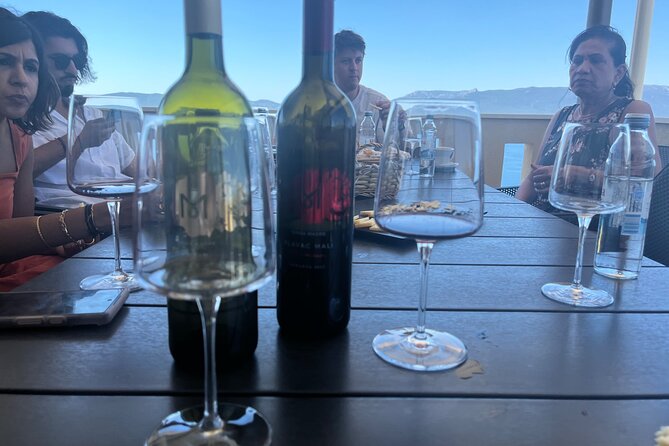
Croatian wine is the star here, but the most useful lesson is how food changes the taste in your glass. Over two evening hours, you taste four premium wines while learning about local grape varieties, winemaking, and the basics of matching wine with food.
I like the small group, capped at 10 people, and the clear tasting format: two whites with calamari, bread, and houmous, then two reds with a charcuterie platter. I also like that Mario explains the subject in a friendly, question-friendly way. The main drawback is the venue wording: the details refer to both Stradoon Bar and Soul Kitchen, so confirm the exact spot before setting out.
In This Review
- Key points at a glance
- Why this two-hour tasting works well in Dubrovnik
- Arriving at Ul. od Domina 3
- The opening lesson: Croatian wine in plain English
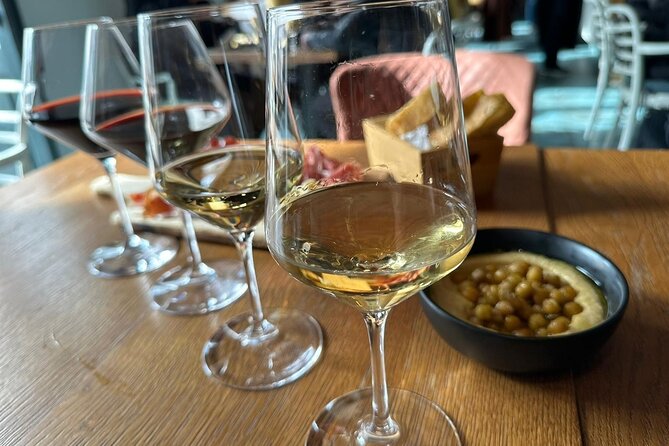
- Two white wines with calamari, houmous, and focaccia
- Two red wines with cheese and charcuterie
- Mario’s teaching style and the value of questions
- Timing, group size, and evening plans
- Value, cancellation, and who should book
- Should you book this Dubrovnik wine tasting?
- FAQ
- How long does the Dubrovnik wine tasting last?
- Where does the wine tasting start?
- Where does the activity finish?
- How many wines are included?
- What food is served with the wine?
- What will I learn during the tasting?
- Is the tasting offered in English?
- What is the cancellation policy?
Key points at a glance
- Four wines in two styles: Taste two white wines and two red wines, with food selected for each group.
- A practical lesson: Learn WSET-style tasting basics and see how food pairing changes both wine and food.
- Croatian focus: The discussion covers Croatian wine history, grape varieties, and winemaking methods.
- Small evening setting: The session runs from 6 to 8pm and accepts no more than 10 people.
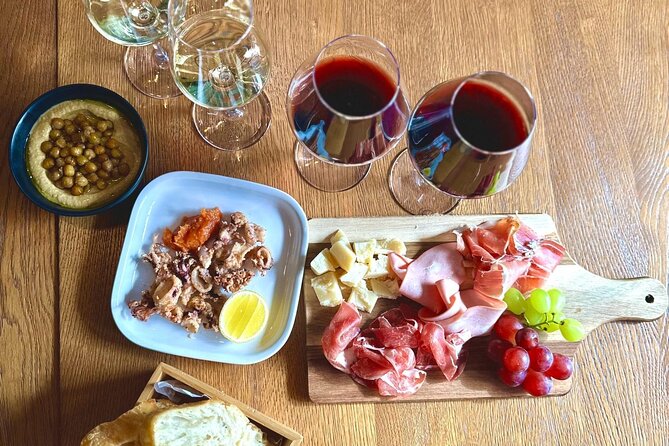
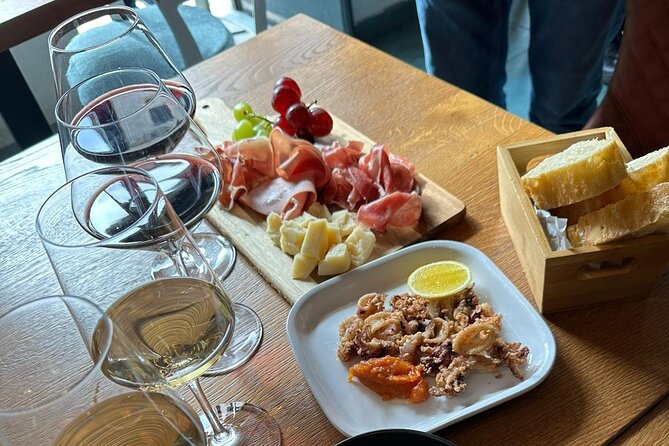
- Substantial tasting food: Calamari, houmous, focaccia, cheeses, ham, prosciutto, and grapes make this more than a token nibble.
- Central meeting point: Start and finish at Ul. od Domina 3 in Dubrovnik Old Town.
Why this two-hour tasting works well in Dubrovnik
Dubrovnik is easy to enjoy at street level, but wine gives you another way to understand Croatia. The country has many grape varieties and distinct winemaking traditions, and a guided tasting can help you make sense of names and styles you might otherwise pass over on a restaurant list.
This session keeps the subject manageable. You are not signing up for an all-day winery visit or a formal qualification course. You get a compact introduction during the early evening, when a glass of wine and a plate of food fit naturally into your Dubrovnik plans.
I especially like the focus on food matching. Plenty of tastings tell you what is in the glass and move on. Here, you learn why a white wine may work with crispy calamari, houmous, and focaccia, while red wine is served with firmer cheeses, ham, prosciutto, and grapes.
The group limit matters. With a maximum of 10 people, you should have a better chance to ask questions than you would at a large commercial tasting. The two-hour length also gives the guide room to explain the wines without turning the evening into a lecture.
More Old Town Walking Tours in Dubrovnik
- Dubrovnik: Old Town Walking Tour
★ 4.8 · 5,174 reviews - Dubrovnik Discovery Old Town Walking Tour
★ 5.0 · 4,458 reviews - Dubrovnik: Game of Thrones Walking Tour
★ 5.0 · 1,732 reviews
Arriving at Ul. od Domina 3
The stated meeting point is Ul. od Domina 3, 20000 Dubrovnik, and the activity ends at the same place. That makes planning simple: you do not need to arrange a second pickup point after the tasting.
The location is in Dubrovnik Old Town and near public transportation. You receive a mobile ticket, and the experience is offered in English. Since the session begins at 6pm, allow enough time to reach the address before the tasting starts, especially if you are coming from another part of the city.
One detail deserves attention before booking. The highlights name Stradoon Bar, while the main description identifies Soul Kitchen. Those names may refer to different parts of the same arrangement, but the supplied details do not explain the difference. I would confirm the exact venue shown on your booking before you go.
That small check is worth making because the meeting point is specific and the tasting is time sensitive. You do not want to spend the opening minutes searching through the Old Town.
The opening lesson: Croatian wine in plain English
The tasting begins with an introduction to Croatian wines. You learn about the country’s wine history, grape varieties, and winemaking methods before working through the glasses.
That background gives the tasting purpose. Instead of simply deciding that you like one wine more than another, you get a framework for noticing differences. You can ask about the grape, the way the wine was made, and how those choices affect what you taste.
The experience also introduces wine tasting through WSET principles. The details do not suggest that you earn a certificate, and this is not presented as an exam or professional course. Think of it as a beginner-friendly structure for tasting: paying attention to the wine, describing what you notice, and considering how it behaves with food.
This is a strong fit if you enjoy learning by comparison. Four wines offer enough contrast to make the exercise useful, while two hours keeps the subject from becoming tiring. If you already have advanced wine training, the class may feel introductory, but you can still use the Croatian focus and food matching discussion to sharpen your restaurant choices.
Two white wines with calamari, houmous, and focaccia
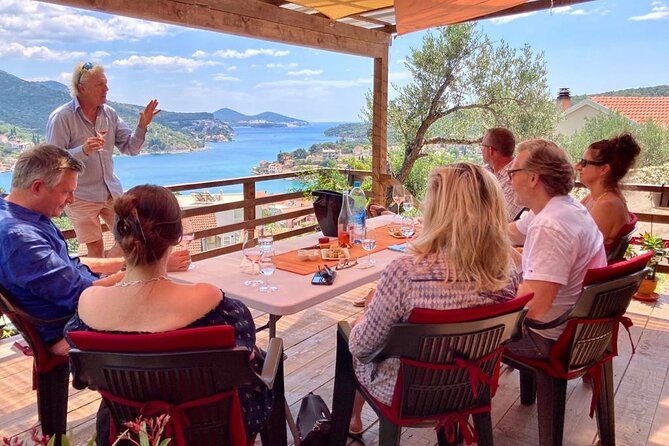
The white wine portion is paired with crispy fried calamari, bread, and houmous. That is a sensible first course because it gives you several textures and flavors to compare against the wine.
Crispy calamari brings salt, oil, and a delicate seafood flavor. Houmous adds creaminess and earthy chickpea notes, while focaccia supplies bread and seasoning. A white wine can behave differently with each bite, and that contrast is the point of the exercise.
You are not just eating alongside the wine. You learn how the pairing can change your impression of both. A wine that seems sharp on its own may feel more balanced with food. A delicate dish may be overwhelmed by a heavier style. The session gives you a chance to notice those changes for yourself.
The menu is also more filling than a few crackers and olives. Crispy calamari makes the first course feel like real food, and the bread and houmous provide something substantial between sips. If you have a very large appetite, this still should not be treated as a full dinner, but it is a meaningful part of the evening.
More Wine Tasting Tours in Dubrovnik
- Dubrovnik Gastronomy: 3-Hour Food and Wine Tour
★ 4.9 · 249 reviews - Ston and Korcula Island Day Trip from Dubrovnik with Wine Tasting
★ 4.0 · 130 reviews - Sunset and Wine / Dubrovnik Sunset Tour and Premium Wine Tasting
★ 5.0 · 113 reviews - From Dubrovnik: Half-Day Wine Tasting and Cavtat City Tour
★ 4.8 · 112 reviews
Two red wines with cheese and charcuterie
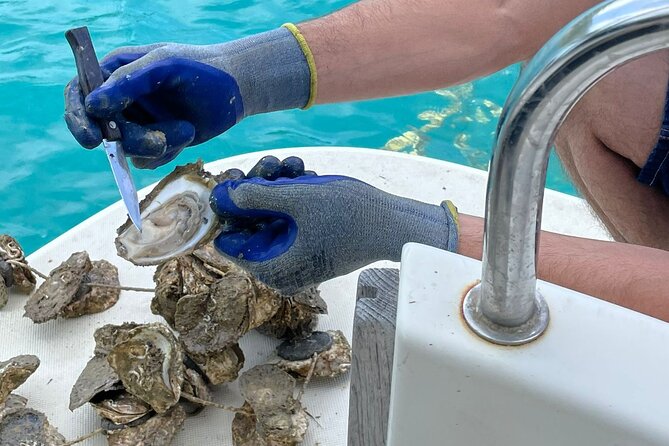
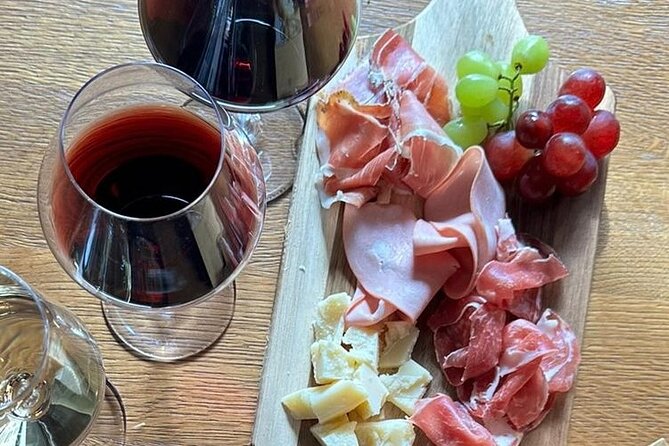
The red wine section comes with a charcuterie platter containing various cheeses, ham, prosciutto, and grapes. These foods give the second half of the tasting a different shape from the lighter white wine pairings.
Cheese can soften the impression of a red wine, while cured ham and prosciutto add salt and savory flavor. Grapes provide a fresh, sweet contrast. As with the white wine course, the benefit comes from trying the wine with more than one item instead of accepting a single suggested match.
This is where the food pairing lesson becomes especially practical. You can pay attention to what happens when you take a sip before eating, then taste the wine again after a bite of cheese or charcuterie. The guide explains the principles, but the useful part is making the comparison yourself.
For many people, this will be the most memorable part of the experience because it turns an abstract wine rule into something easy to understand. You leave with a clearer idea of why certain wines work with a meal and why others may clash.
The platter also makes the tasting social without requiring a large group. You can sample several foods at your own pace while discussing the wines and asking questions.
Mario’s teaching style and the value of questions
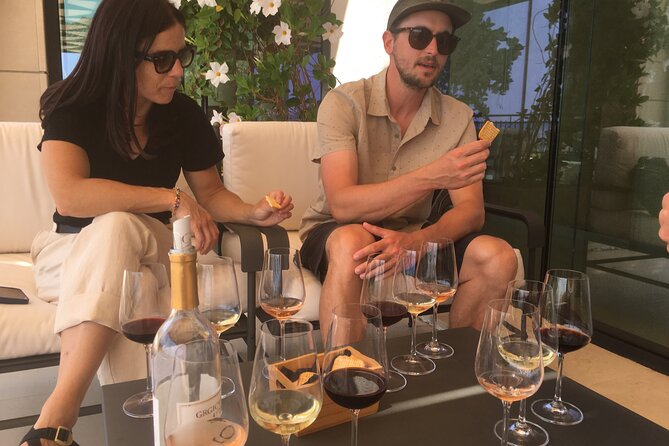
Mario is the guide associated with this tasting, and the experience gives you room to ask questions. That matters because wine can quickly become a fog of technical terms. A good guide should explain the subject clearly enough for a beginner while still giving curious drinkers something useful to take away.
The most praised feature of the session is the teaching. The guide presents Croatian wine as a full subject, then connects it to food pairing in a way that feels like a short university course rather than a list of tasting notes. You can expect an approachable, informative format instead of a rushed pour-and-go stop.
I would use the question time well. Ask about the grape varieties in your glass, how Croatian wines differ in style, and what to order with local food after the session. The supplied details do not promise a specific list of bottles or take-home material, so the live discussion is one of the main ways to get personal guidance.
Because the group is limited to 10, you should have a reasonable chance to join that conversation. Still, group dynamics vary. If the full group is especially talkative, individual time may be shorter than expected.
Timing, group size, and evening plans
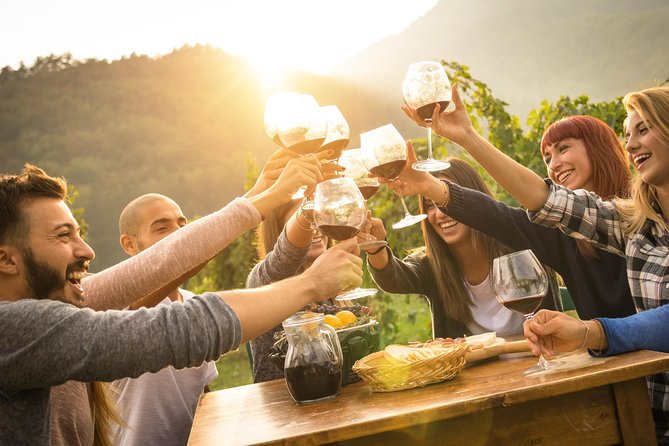
The tasting runs every day from 6 to 8pm during the stated operating period, April 1 through October 31, 2026. That makes it easy to place after an afternoon in Dubrovnik Old Town.
The schedule is fixed rather than flexible. You need to arrive for the 6pm start, and the activity finishes back at the meeting point at approximately 8pm. This is useful if you want to plan dinner afterward, though you should allow extra time if you need to reach a reservation across town.
A maximum of 10 participants is a real advantage for this format. Wine instruction works better when the guide can pause, answer questions, and watch the group’s pace. A small class also makes it easier to compare impressions without being lost in a crowd.
The activity is listed as suitable for most people and is near public transportation. No special skill is required. Since the experience requires good weather, poor conditions can lead to a new date or a full refund, and the activity also requires a minimum number of participants to operate.
Value, cancellation, and who should book
The supplied information does not include a price, so I cannot judge the exact cost in euros. The value depends on what you want from an evening in Dubrovnik. If you want four wines, several food pairings, and a guided lesson in one central sitting, the format offers more substance than a simple bar tasting.
You are also paying for interpretation, not just the drinks. The useful part is learning how to taste, how Croatian wine is made, and how food affects the glass in front of you. That knowledge can help you choose wine later in the trip, which gives the experience value beyond the two-hour session.
The food list is another point in its favor. Calamari, houmous, focaccia, cheeses, ham, prosciutto, and grapes make this a generous tasting menu on paper. Still, I would not book it as a guaranteed replacement for dinner unless the provider confirms the portion sizes.
Free cancellation is available if you cancel at least 24 hours before the start time. Cancellations inside that window are not refunded, and changes made less than 24 hours before the start are not accepted. The cut-off uses Dubrovnik local time.
I would recommend this for couples, solo visitors, and small groups who want a calm, educational evening. It is particularly useful if Croatian wine is new to you or if you want help understanding food pairing without committing to a full-day excursion.
I would be more cautious if you dislike structured tastings, do not drink wine, or want a broad Old Town tour. This activity stays focused on wine and food, with no sightseeing program described. You should also confirm the venue name because of the Stradoon Bar and Soul Kitchen wording.
Should you book this Dubrovnik wine tasting?
Book it if you want a compact, English-language introduction to Croatian wine with enough food to make the pairings meaningful. The strongest reasons are the small group, Mario’s clear teaching, the four-wine comparison, and the chance to test pairing ideas with real dishes.
Skip it if you want a winery visit outside the city, a full dinner, or a tour built around Dubrovnik landmarks. Before booking, check the exact price and confirm whether the tasting is at Stradoon Bar or Soul Kitchen. For the right visitor, this is a smart two-hour pause in the Old Town, with lessons you can use at the next Croatian restaurant.
FAQ
How long does the Dubrovnik wine tasting last?
The experience lasts approximately two hours, from 6pm to 8pm.
Where does the wine tasting start?
The stated meeting point is Ul. od Domina 3, 20000 Dubrovnik, Croatia.
Where does the activity finish?
The activity ends back at the meeting point.
How many wines are included?
You taste four wines in total: two white wines and two red wines.
What food is served with the wine?
The menu includes crispy fried calamari, houmous, focaccia bread, various cheeses, ham, prosciutto, and grapes.
What will I learn during the tasting?
The session covers Croatian wine history, grape varieties, winemaking methods, WSET wine tasting basics, and wine and food matching principles.
Is the tasting offered in English?
Yes. The experience is offered in English.
What is the cancellation policy?
You can receive a full refund by canceling at least 24 hours before the experience start time. Cancellations or changes made within 24 hours are not accepted for a refund. If poor weather or insufficient participants causes the activity to be canceled, you are offered a different date or experience, or a full refund.
More Food & Drink in Dubrovnik
- Dubrovnik Food and Drink Walking Tour with a Local Guide
★ 5.0 · 654 reviews - Dubrovnik Old Town Food Tour: Small-Group Experience
★ 5.0 · 419 reviews - Dubrovnik: Old Town Food Tour
★ 4.8 · 119 reviews - Wine, food and olive oil by PhD student
★ 5.0 · 111 reviews
More Wine Tours in Dubrovnik
- Sunset Sea Kayaking and Wine Dubrovnik
★ 5.0 · 949 reviews - Dubrovnik: Sunset Zip Line Experience Followed by Wine
★ 4.9 · 921 reviews - Dubrovnik: Sunset Kayaking & Snorkeling with water &wine
★ 5.0 · 599 reviews - Wine Lover’s Tour of Peljesac Peninsula
★ 5.0 · 150 reviews
Just added around Dubrovnik
- Full- Day Private Speedboat Tour in Dubrovnik on Elaphiti Islands★ 5.0 · 21 reviews
- Elaphiti Islands Private Dubrovnik Boat Unique Experience★ 5.0 · 10 reviews
- PRIVATE Wine Tour to Konavle country side★ 5.0 · 11 reviews
- Parasailing in Cavtat★ 5.0 · 62 reviews
- Wine tour peninsula Pelješac★ 5.0 · 3 reviews
- Wine Lover’s Tour of Peljesac Peninsula★ 5.0 · 150 reviews
- Welcome to Dubrovnik Walking Tour★ 5.0 · 36 reviews
- City Walls of Dubrovnik★ 5.0 · 70 reviews
Old Town Walking Tours, compared.



Walking Tour of Split and Diocletian’s Palace
Read our review →


Krka Waterfalls tour with Trogir Walking tour and Krka panoramic boat cruise
Read our review →
City Walls Early Morning or Sunset Walking Tour
Read our review →
Plitvice Lakes with Boat Ride and Zadar Old Town Tour
Read our review →Browse the lists this tour appears in