
Reviewed · FOOD
Wine, food and olive oil by PhD student
Dubrovnik’s Old Town is far more than a pretty wall and a sea view. This three-hour walk ties the city’s food and wine to its past, with stops for award-winning olive oil, four Croatian wines, seafood, meat, and dessert. Guide Dom, who grew up in Dubrovnik, may also bring a personal feel to the city’s stories.
I like two things here: the small maximum of 12 people, which keeps the tasting social rather than crowded, and the serious wine expertise of a master’s-level enologist and PhD student in wine. The main drawback is the price, $205.59 per person, so this makes sense as a substantial meal and cultural tour, not a quick tasting.
In This Review
- Key points to know before booking
- Dubrovnik through a glass and a plate
- Starting at Onofrio’s Fountain at 4:00 pm
- The olive oil lesson: small samples, useful skills
- Four family-run places in the Old Town
- Fish and seafood with Croatian white wine
- Two meat dishes, including a recipe from the 1500s
- Dessert and a finish near Rector’s Palace
- The Old Town sights are part of the meal
- The guide can shape the experience
- What the $205.59 price really includes
- Who should book this Dubrovnik food walk?
- Practical details before you commit
- Should you book Wine, Food and Olive Oil by PhD Student?
- FAQ
- Where does the tour start?
- Where does the tour end?
- What time does the tour begin?
- How long does the experience last?
- How many people can join?
- What food and drink are included?
- Is the wine tasting available to children?
- What happens if the weather is poor?
Key points to know before booking
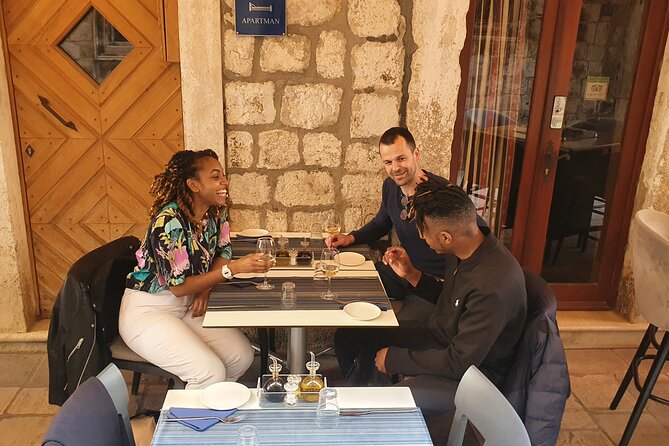
- Four family-run food stops: You visit separate local places rather than eating one set meal in a single restaurant.
- Four Croatian wines with four dishes: Fish, seafood, and meat are matched with regional wines, including Dubrovnik’s key red variety.
- Award-winning olive oil tasting: Two Croatian extra virgin oils that won at the New York International Olive Oil Competition are presented and assessed.
- A history walk with a purpose: Onofrio’s Fountain, Rupe Museum, Jesuit Stairs, Rector’s Palace, and other sights provide the setting for stories about trade and government.
- A small afternoon group: The tour starts at 4:00 pm, accepts up to 12 people, and ends near Rector’s Palace after about three hours.
- A meal-sized tasting: Four dishes plus dessert mean you should not plan this as a light snack before dinner.
Dubrovnik through a glass and a plate
The clever part of this experience is the way it uses lunch or dinner to explain Dubrovnik. You are not simply handed a plate and told what to taste. You walk through the Old Town, see the places where the republic protected its wealth and independence, then connect those ideas to ingredients, trade, wine, and olive oil.
That approach matters in Dubrovnik, where the city’s beauty can sometimes make its past feel like background scenery. Here, the old streets are part of the lesson. The guide explains the historical and cultural setting of local food while taking you between four family-run places.
The experience is offered in English and lasts about three hours. It is listed at $205.59 per person, which is a significant spend. Still, the price includes the guide, the olive oil evaluation, four dishes, four wines, and dessert. If you count it as a meal, a wine tasting, and a history walk, the cost becomes easier to assess. If you only want a few samples, it is expensive.
A few more Dubrovnik trips to weigh up
- Sunset Sea Kayaking and Wine Dubrovnik
★ 5.0 · 949 reviews - Dubrovnik: Sunset Zip Line Experience Followed by Wine
★ 4.9 · 921 reviews - Dubrovnik: Sunset Kayaking & Snorkeling with water &wine
★ 5.0 · 599 reviews
Starting at Onofrio’s Fountain at 4:00 pm
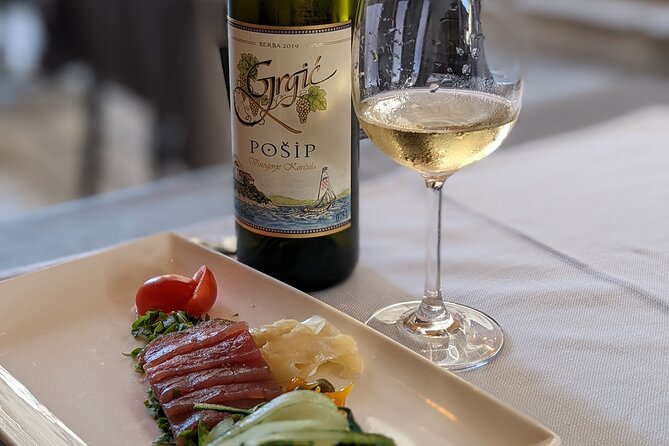
Meet at Large Onofrio’s Fountain, at Poljana Paska Miličevića, at 4:00 pm. This is a practical starting point in the Old Town, and the fountain gives the group a clear landmark rather than a vague street corner.
The fountain is also the first useful history stop. Here you hear about the height of the Dubrovnik Republic and the major engineering work that brought water into the city. That makes the monument more than a meeting point. It introduces one of the tour’s main themes: Dubrovnik survived and prospered by solving practical problems well.
From the fountain, the route passes several major sights, including Pile-area streets, Ploče Gate, Revelin Fortress, Lazareti, the Franciscan Monastery, the Rupe Museum, the farmers market, the Jesuit Stairs, and Rector’s Palace. You do not need to treat this as a formal sightseeing tour with long stops at every monument. The sights provide the route and the guide’s stories fill in the gaps.
Because the walk takes place in the Old Town, expect historic streets and changing surfaces. The supplied details do not specify a total walking distance or the number of stairs, so ask the provider if mobility is a concern. Service animals are allowed, and most people can take part.
The olive oil lesson: small samples, useful skills
The first food stop is a guided evaluation of extra virgin olive oil. It lasts about 15 minutes and includes two samples, both Croatian oils awarded at the New York International Olive Oil Competition.
This is a good opening because olive oil is easy to taste badly. Many people pour it over bread, swallow, and decide only if they like it. A proper evaluation asks you to notice aroma, bitterness, fruitiness, and the peppery finish that can signal fresh oil. The stated goal is practical: learning to recognize the main traits of extra virgin olive oil with simple methods.
You should not expect a full agricultural lecture in 15 minutes. You will get a compact introduction that helps you pay attention to the later dishes. The value lies in learning how to compare two oils side by side, not in taking home a bottle or becoming an oil expert.
The tasting also fits the city’s wider food culture. Olive oil belongs beside the seafood and meat that follow, and the guide’s wine background gives the stop more depth than a basic restaurant condiment lesson.
Four family-run places in the Old Town

After the oil tasting, the group visits two restaurants for four wines paired with four dishes. Dessert comes at a fourth family-run place. The arrangement gives you variety and lets you see several small businesses, but it also means the meal is spread across the Old Town rather than served at one table.
That can be a plus if you enjoy movement and a sense of place. You get short walks between courses, with more chances to look up at the buildings and hear about Dubrovnik. It can be less appealing if you prefer to sit down once and eat at an unhurried pace.
The portions are described as more than small samples, so plan this as a real meal. Four dishes, alcohol, and dessert can add up quickly. Have a sensible breakfast or lunch, but do not arrive stuffed.
The stops are family-run, which gives the food side a local scale. The exact restaurant names are not provided, and the menu may change, so book this for the style of experience rather than one promised signature dish.
Same stretch of coast, a completely different day out:
- Blue Cave Small-Group Boat Tour from Dubrovnik
★ 5.0 · 9,360 reviews - Full-Day Dubrovnik Elaphite Islands Cruise with Lunch and Drinks
★ 5.0 · 8,823 reviews - Dubrovnik: Epic Game of Thrones Tour + Lokrum & Saver Option
★ 4.9 · 5,995 reviews - Dubrovnik: Elaphiti Islands Full-Day Cruise with Lunch
★ 5.0 · 5,938 reviews
Fish and seafood with Croatian white wine
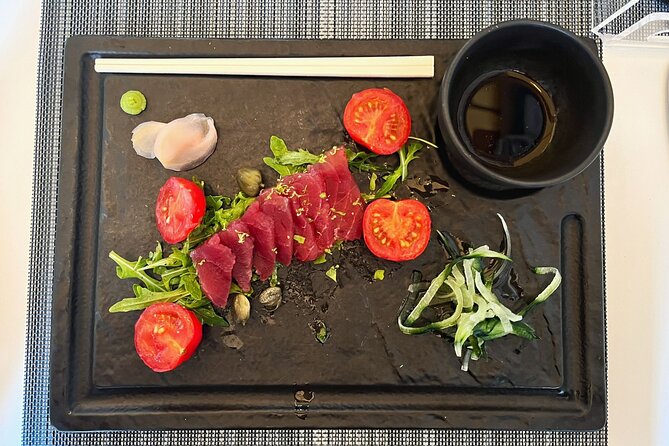
The first main pairing is fish with a Croatian white wine. The white varietal used here was recognized by Decanter in 2021, giving you a chance to taste a local grape with a strong recent international mark.
A second seafood dish is paired with Croatian white wine as well. The two courses are useful together because they let you compare how wine works with different kinds of marine food. The menu does not specify the fish, seafood, preparation, or wine label, so you should not expect to choose a particular species or bottle.
This is also where the Old Town setting adds context. Dubrovnik’s position on the Adriatic shaped what people ate and traded, and seafood remains a natural part of the region’s table. The guide connects the plate to the city instead of presenting it as an isolated restaurant course.
If you do not eat seafood, this tour could be a poor match. The published menu includes both fish and seafood, and there is no stated substitution policy. Contact DeliciousDubrovnik before booking if you have allergies or dietary restrictions.
Two meat dishes, including a recipe from the 1500s
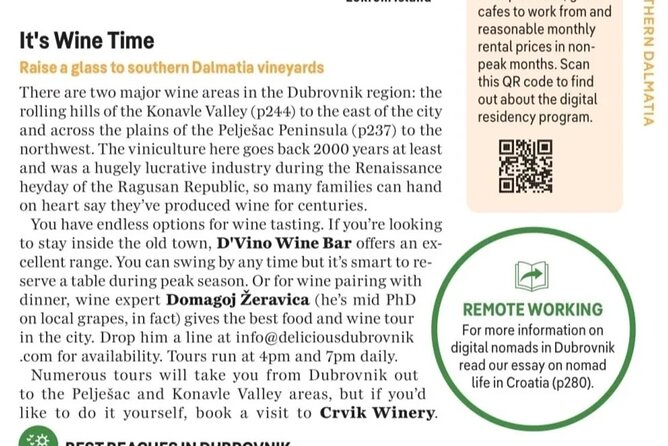
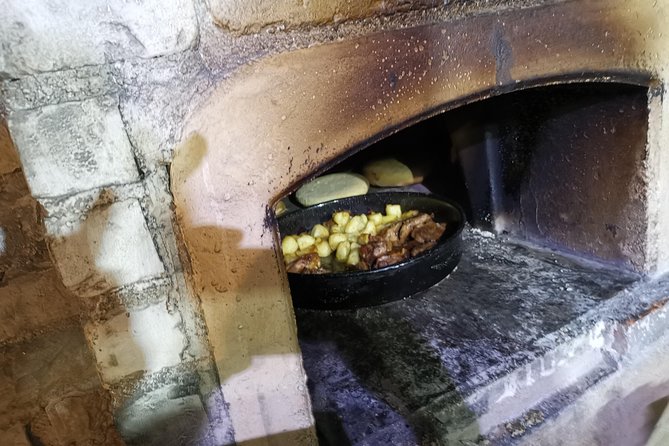
The meat courses broaden the menu beyond the coast. One is prepared from a very old recipe dating to the 16th century and is paired with a locally produced white wine. The wine’s varietal was recognized by Decanter in 2017.
This pairing gives the guide a chance to explain how food traditions can outlast political systems and changing borders. You are not only tasting modern Croatian cooking. You are also getting a dish tied to a much older culinary record.
The second meat dish comes with Croatia’s most important red variety, from the oldest protected winegrowing zone in the country near Dubrovnik. That is the clearest regional wine moment of the tour. The details do not name the grape, but the description places it firmly in the southern Croatian wine story.
The menu offers a welcome balance: two marine dishes, two meat dishes, four wines, and dessert. It is broader than a tour built around one type of seafood or a single winery. If your main interest is only white wine, keep in mind that one course includes a local red.
Dessert and a finish near Rector’s Palace
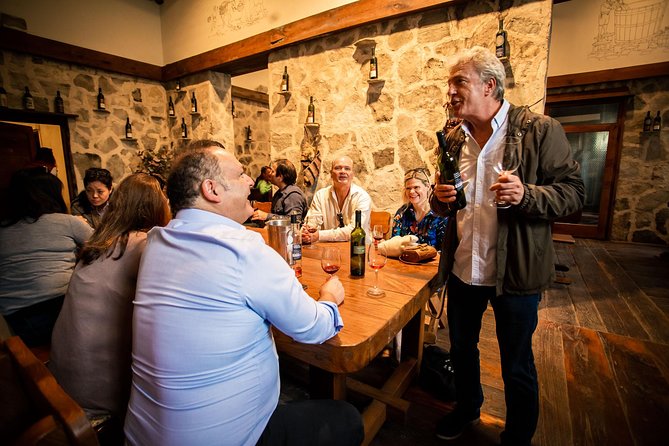
The final food stop serves dessert, though the specific dessert is not listed. That uncertainty is minor for most people, but important if you are booking around a particular sweet or dietary need.
The tour ends at Rector’s Palace on Pred Dvorom, near the center of the Old Town. The palace is a fitting endpoint because it connects to the political stories told during the walk. The route begins with engineering and public works, moves through food and trade, and finishes near the seat of Dubrovnik’s former government.
The timing is useful. A 4:00 pm start puts the meal and wine tasting into the late afternoon and early evening. You may want to avoid scheduling another major activity immediately afterward, especially since the tour lasts about three hours and includes substantial food.
The Old Town sights are part of the meal
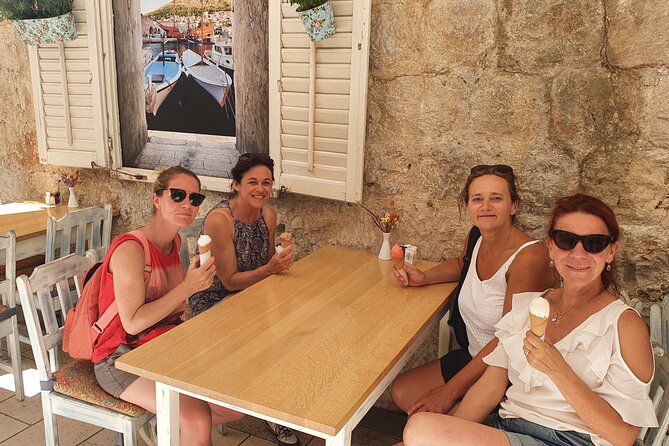
The walking route includes some of Dubrovnik’s best-known sights, but the experience also aims for less obvious corners. While passing through quieter parts of the Old City, you see rooftops and visit the area near Rupe Museum, a 16th-century granary.
That stop opens a different window onto Dubrovnik. Fortresses and palaces show power from above, while a granary points to storage, food supply, and daily administration. It is a useful reminder that a city’s success depends on more than grand buildings.
At the Jesuit Stairs and Rector’s Palace, the guide discusses the political system of the Dubrovnik Republic. You learn how the aristocracy dealt with stronger opponents and how the republic’s political structure helped it manage threats.
For me, this is one of the tour’s best features. You get enough history to understand the city without signing up for a full historical lecture. The food keeps the pace relaxed, and the buildings give the stories a physical setting.
The guide can shape the experience
The guide is a local enologist with a master’s degree and is also a PhD student in wine. Dom is specifically praised for his understanding of local wine and olive oil, and for growing up in Dubrovnik. That combination matters: one part academic wine knowledge, one part local familiarity.
A strong guide is especially important on a tasting tour. Wine descriptions can become vague or showy, while historical facts can turn into a list of dates. The best version of this experience connects the two and answers your questions in plain language.
Dom’s role may be particularly useful if you want to keep learning after the tour. One piece of feedback describes him answering wine questions by text even after the group had reached the airport duty-free. That suggests a generous attitude, though you should not book on the expectation of personal help after the tour.
The experience is not built around a celebrity chef, a winery visit, or a formal museum program. Its strength is the guide’s ability to link several subjects: wine, oil, local food, Dubrovnik’s past, and the modern Old Town.
What the $205.59 price really includes
At $205.59 per person, this is among the pricier food walks. The price covers:
- About three hours with a local enologist guide
- A small-group walking tour with a maximum of 12 people
- A guided olive oil evaluation
- Two awarded extra virgin olive oils
- Four dishes made with locally produced ingredients
- Four regional wines
- Dessert
That is a lot of food and drink, but value depends on how you travel. I would consider it a reasonable splurge for someone who wants one booking to handle dinner, wine education, olive oil, and a first look at Dubrovnik’s Old Town.
It is less convincing for a person who wants a cheap introduction to Croatian cuisine or who prefers to choose each restaurant independently. The tour includes alcohol only for people age 18 and above, and the menu has no stated nonalcoholic or dietary alternatives.
The fact that it is often booked about 77 days ahead is useful planning information. It suggests you should not leave this until the last minute if the 4:00 pm time and small group matter to you.
Who should book this Dubrovnik food walk?
I would recommend it most strongly for first-time visitors who want to get their bearings through food. One practical tip is to schedule it near the beginning of your stay. The route introduces the Old Town, and the guide can help you understand local dishes and wines before you make your own restaurant choices.
It also suits couples, friends, and small groups who like to ask questions and move between several places. Wine lovers will get the most from the guide’s academic background and the chance to taste Croatian varietals recognized by Decanter.
You may want to skip it if you dislike group pacing, do not drink alcohol, avoid seafood, or want a single long restaurant meal. The one lower-scoring assessment described the experience as simple and basic and felt the guide’s interests could dominate. That is a fair caution: this is guide-led and educational, not a choose-your-own-menu evening.
The tour has a 4.9 rating from 111 reviews, with 98 percent of people recommending it. Those figures support the idea that the guide, food variety, and personal attention are its strongest points, but they do not remove the need to check the menu against your own needs.
Practical details before you commit
You receive confirmation when booking, and the experience is offered in English with a mobile ticket. It begins at Large Onofrio’s Fountain and ends at Rector’s Palace, both in Dubrovnik’s Old Town. No hotel pickup or transportation is included in the details provided, so plan to reach the fountain yourself.
The group is capped at 12 people. That is small enough for questions and conversation, though it is still a group walk rather than a private tour. A private option may be worth asking about if you want the guide to focus closely on your wine interests or dietary needs.
Good weather is required. If poor weather cancels the experience, you are offered another date or a full refund. You can cancel for a full refund up to 24 hours before the start time, but changes or cancellations inside that window are not accepted.
Should you book Wine, Food and Olive Oil by PhD Student?
Book it if you want a full meal with a serious wine guide, not just a few nibbles. The mix of Croatian oil, four wines, four dishes, dessert, and Dubrovnik history gives the $205.59 price a clear purpose.
I would place it early in a Dubrovnik visit, arrive hungry but not famished, and treat the three hours as both dinner and an introduction to the city. Skip it if the cost feels high, you need a tightly tailored menu, or you prefer to spend an evening at one restaurant. For the right eater, especially someone curious about Croatian wine and local history, this is a well-focused way to get both on the same plate.
FAQ
Where does the tour start?
It starts at Large Onofrio’s Fountain, Poljana Paska Miličevića 2000, 20000 Dubrovnik, Croatia.
Where does the tour end?
The tour ends at Rector’s Palace, Ul. Pred Dvorom 3, 20000 Dubrovnik, Croatia.
What time does the tour begin?
The start time is 4:00 pm.
How long does the experience last?
It lasts approximately three hours.
How many people can join?
The maximum group size is 12 people.
What food and drink are included?
The experience includes a guided tasting of two Croatian extra virgin olive oils, four dishes made with locally produced ingredients, four wines, and dessert.
Is the wine tasting available to children?
No. Wine tasting is available only to customers aged 18 and above.
What happens if the weather is poor?
The experience requires good weather. If it is canceled because of poor weather, you are offered a different date or a full refund. Free cancellation is also available up to 24 hours before the start time.
More Food in Dubrovnik
- Dubrovnik Food and Drink Walking Tour with a Local Guide
★ 5.0 · 654 reviews - Dubrovnik Old Town Food Tour: Small-Group Experience
★ 5.0 · 419 reviews - Dubrovnik Gastronomy: 3-Hour Food and Wine Tour
★ 4.9 · 249 reviews - Dubrovnik: Old Town Food Tour
★ 4.8 · 119 reviews
Just added around Dubrovnik
- Full- Day Private Speedboat Tour in Dubrovnik on Elaphiti Islands★ 5.0 · 21 reviews
- Elaphiti Islands Private Dubrovnik Boat Unique Experience★ 5.0 · 10 reviews
- PRIVATE Wine Tour to Konavle country side★ 5.0 · 11 reviews
- Parasailing in Cavtat★ 5.0 · 62 reviews
- Wine tour peninsula Pelješac★ 5.0 · 3 reviews
- Wine Lover’s Tour of Peljesac Peninsula★ 5.0 · 150 reviews
- Welcome to Dubrovnik Walking Tour★ 5.0 · 36 reviews
- City Walls of Dubrovnik★ 5.0 · 70 reviews
Food, compared.

Blue Lagoon and 3 Island Cruise with Food and Drinks
Read our review →
Full-Day Catamaran Cruise to Hvar & Pakleni Islands with Food and free Drinks
Read our review →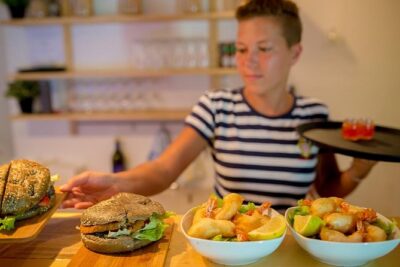
Dubrovnik Food and Drink Walking Tour with a Local Guide
Read our review →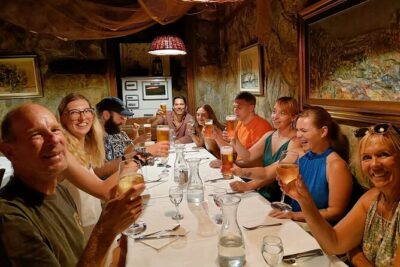
Split Food Tour: Discover Split One Bite At A Time
Read our review →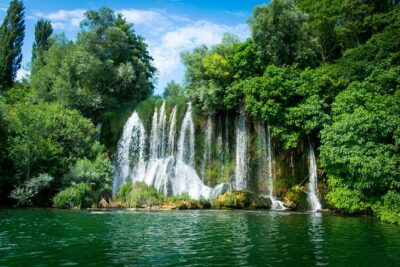
Krka Waterfalls, Food & Wine Tasting, Boat Ride & Zadar Old Town
Read our review →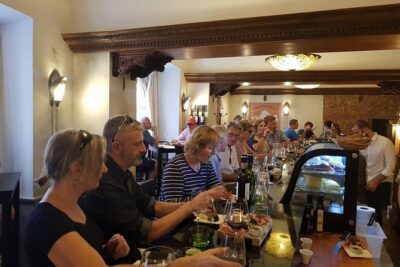
Dubrovnik Old Town Food Tour: Small-Group Experience
Read our review →Browse the lists this tour appears in