
Reviewed · OLD TOWN WALKING TOURS
Private Lopud Walking Tour
Lopud’s best stories are easy to miss. A ruined mansion may look like a pile of stone, and a closed museum may seem like a dead end. With Ružica Rosy, a licensed local guide and art historian, you get the legends, family dramas, church art, and island lore that turn a quiet walk into a proper introduction to Lopud.
I like the private format, since Rosy can shape the conversation around your interests. I also like the route’s mix of chapels, grand homes, gardens, and old hotels, rather than a walk devoted only to church façades. The main consideration is timing: the advertised route can take one to two hours, and the final arrangement may vary, especially if you continue toward Šunj Beach.
In This Review
- Key points at a glance
- Why Lopud makes a good walking-tour island
- Hotel Pracat and Lopud’s layered past
- The museum square and the old sun clock
- St. Hieronymus and the Chapel of the Crucified Redeemer
- A ruined noble house and the problem of inheritance
- Park Dordic Mayineri, the island’s park of love
- St. Nicholas and Lopud’s seafaring education
- The Grand Hotel and the arrival of modern island life
- A route that can finish at Šunj Beach
- What Rosy adds to the experience
- Price, timing, and who gets the best value
- Should you book the Private Lopud Walking Tour?
- FAQ
- Where does the Private Lopud Walking Tour start?
- What time does the tour begin?
- How long does the walk last?
- Is the tour private?
- What language is the tour offered in?
- Is the museum open during the tour?
- Is transportation included?
- Can I swim or eat at the end of the walk?
- What is the cancellation policy?
Key points at a glance
- A personal introduction to Lopud: Only your group joins the tour, so the guide can adjust the pace and answer your questions.
- A strong local guide: Ružica Rosy combines licensed guiding with art history and a clear feel for Lopud’s people, customs, and past.
- More than pretty views: You’ll hear about Miho Pracat, wealthy island families, Dominican education, seafaring, and the island’s former hotel life.
- Several unusual stops: An old sun clock, a chapel built over a ninth-century site, a ruined noble house, and a garden called the park of love add character.
- A flexible ending: The walk can lead toward Šunj Beach, with time for swimming, lunch, or a taxi back to the village if arranged to suit your plans.
- Good value for a private walk: At $33.72 per person, the price is especially appealing for a small group that wants context without committing to a long excursion.
Why Lopud makes a good walking-tour island
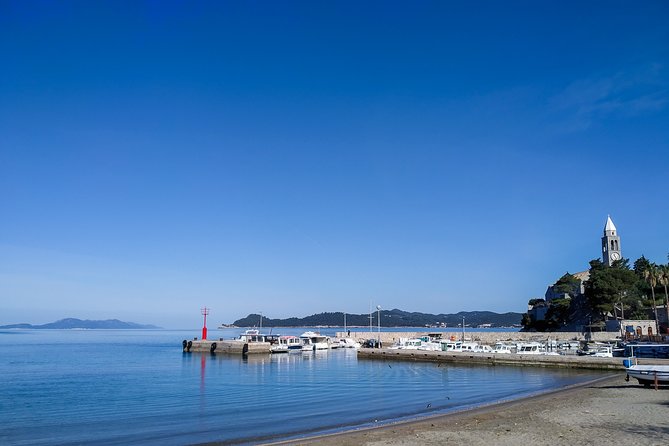
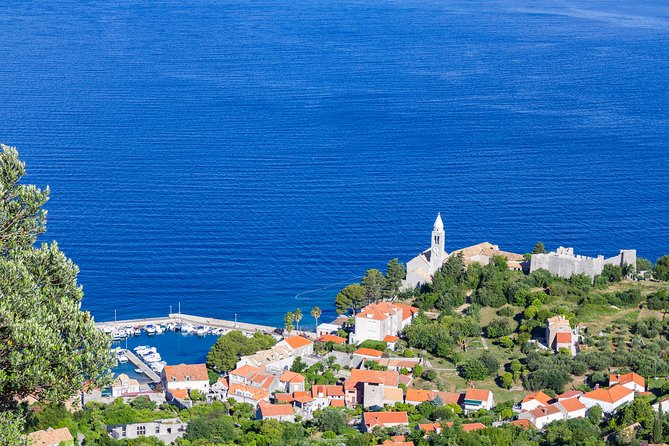
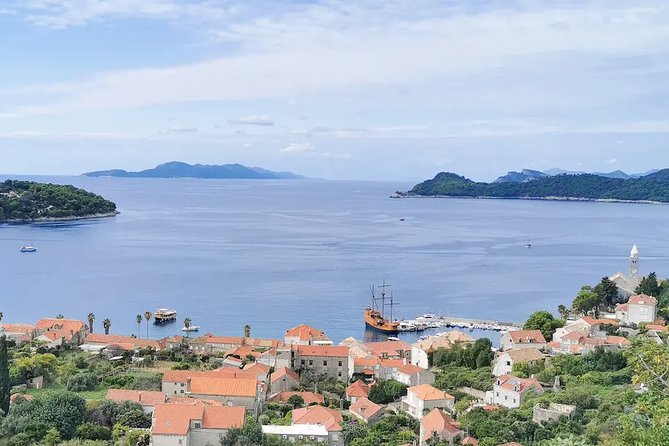
Lopud is part of the Elaphiti Islands near Dubrovnik, but it offers a slower setting than the mainland city. The village promenade, stone buildings, churches, gardens, and old hotel properties are close enough to connect on foot, yet each carries a different piece of the island’s story.
I like this kind of setting for a guided walk because Lopud does not explain itself at first glance. A building may have a grand name but look neglected. A chapel may be small, yet its donor tells you much about the wealth and ambitions of the island’s past. A local guide helps you read those clues.
This is also a private experience. You are not being pulled along in a large group or waiting for strangers to finish photographs. If you are interested in art, church history, local families, food culture, island life, or nearby Croatia, Rosy can spend more time on the subjects that interest you.
The tour is offered in English and starts at 9:00 a.m. at Villa Vilina, on Obala Ivana Kuljevana 5. The walk ends at Lopud’s old port according to the meeting details, while the final route description also identifies Šunj Beach as the last stop. Since the route can be adapted, confirm the planned ending when you book.
More Old Town Walking Tours in Dubrovnik
- Dubrovnik: Old Town Walking Tour
★ 4.8 · 5,174 reviews - Dubrovnik Discovery Old Town Walking Tour
★ 5.0 · 4,458 reviews - Dubrovnik: Game of Thrones Walking Tour
★ 5.0 · 1,732 reviews
Hotel Pracat and Lopud’s layered past
The first stop is the former Hotel Pracat, an old building constructed over a ninth-century chapel. That detail gives you an immediate sense of Lopud’s long timeline. The site is not simply an old hotel. It reflects how newer buildings on the island have been placed over older religious and civic foundations.
The stop itself is short, about five minutes, but the stories are the reason to pause. Legends connected with the hotel add the sort of local color you would miss by walking past on your own. Rosy’s role here is less about delivering a list of dates and more about explaining why the building mattered to island life.
The hotel also helps set up a recurring theme of the walk: Lopud’s fortunes changed over time. Wealthy families built churches and homes, hotels later shaped daily life, and some properties eventually declined or became difficult to maintain. You will see that change repeated at several stops.
The museum square and the old sun clock
Next comes Lopud square, in front of the island museum. The museum has not been open to the public since the Homeland War, so this is not a conventional museum visit. You will not be moving through galleries or examining a collection indoors.
That limitation is worth knowing before you book. If you expect museum access, this stop may feel incomplete. Still, the square provides a useful place to discuss Lopud’s past, and Rosy shows you how to use an old sun clock.
The sun clock is one of the walk’s small but memorable details. It gives the tour a hands-on moment instead of another stop where you only look and listen. You’ll learn how the clock works and how it can help tell the time if modern clocks fail. It is an amusing skill, but it also shows how people once measured their day with simple tools tied to the sun.
St. Hieronymus and the Chapel of the Crucified Redeemer
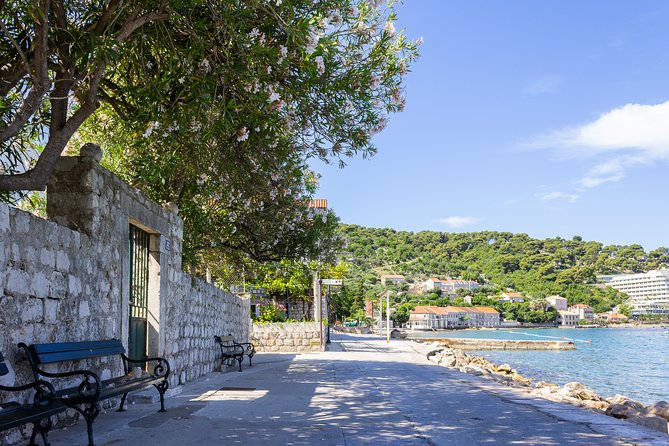
The seventeenth-century St. Hieronymus chapel follows along the promenade. It is presented as an example of how prosperous Lopud residents spent their money, and that makes the building useful beyond its religious function.
Look at this chapel as evidence of status, devotion, and family influence. On a small island, a church could be a public statement. The scale and decoration of a religious building told local people who had the money to commission it and who wanted to be remembered.
The Chapel of the Crucified Redeemer brings the story of Miho Pracat into focus. Many legends are linked to the man who built it, and the church still has a role in Catholic life on Lopud. The stop lasts about seven minutes, with free admission listed for the route.
I like the way these two chapels work together. One shows the spending power of wealthy island residents. The other gives you a person and a set of stories to connect with the building. You get art and architecture, but also a glimpse of the social world that produced them.
Same stretch of coast, a completely different day out:
- Blue Cave Small-Group Boat Tour from Dubrovnik
★ 5.0 · 9,360 reviews - Full-Day Dubrovnik Elaphite Islands Cruise with Lunch and Drinks
★ 5.0 · 8,823 reviews - Dubrovnik: Epic Game of Thrones Tour + Lokrum & Saver Option
★ 4.9 · 5,995 reviews - Dubrovnik: Elaphiti Islands Full-Day Cruise with Lunch
★ 5.0 · 5,938 reviews
A ruined noble house and the problem of inheritance
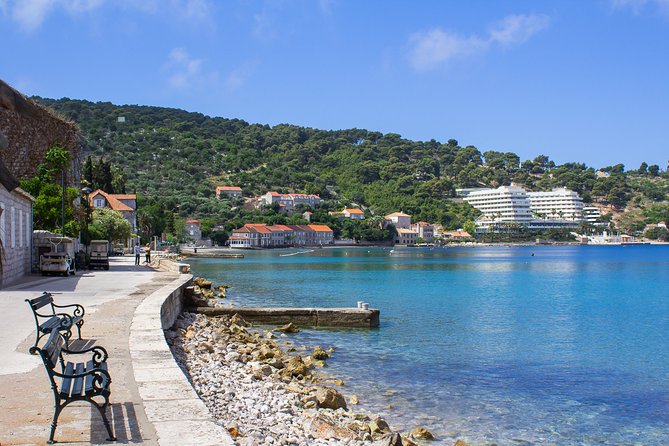
The House of Zamanja Pavlina offers a more sobering look at Lopud’s old wealth. The house once belonged to a wealthy family and nobles, but it now stands in ruins because of the large number of inheritors.
That is a useful lesson in how historic properties disappear. A grand house does not survive simply because it once belonged to an important family. Ownership can become divided across generations, making care, repairs, and decisions difficult.
The stop is only about three minutes, but it can prompt good questions. Ask Rosy about family life, noble status, and how island homes were used. The building may not have the polish of a restored attraction, but its condition is part of the story.
If you prefer perfectly preserved monuments, this stop may not impress you on its own. I find the ruin more revealing because it shows the gap between Lopud’s prosperous past and its present condition.
Park Dordic Mayineri, the island’s park of love
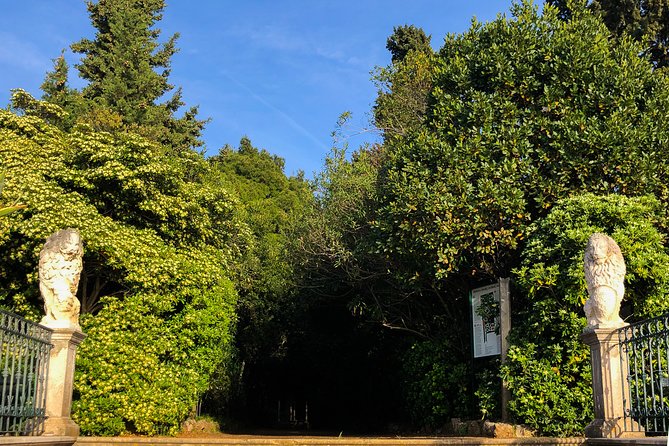
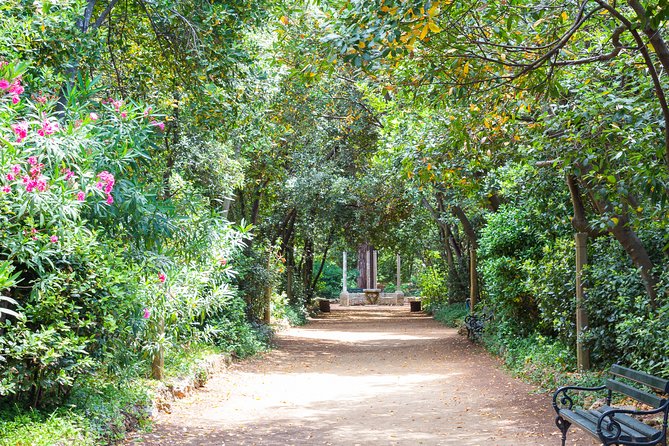
The fifteen-minute stop at Park Dordic Mayineri is one of the longer pauses on the route. The garden is called a park of love and reflects a mix of ideas from the nineteenth and twentieth centuries.
The description of the park as eclectic is important. Do not expect a single, neatly defined design style. Instead, pay attention to how different periods and tastes have left their mark. The garden adds plants and open space to a walk otherwise shaped by stone buildings, chapels, and family houses.
This may be the best place to slow down. You can ask about the people who created the park, how it fit into island life, and how its design reflects changing ideas. The botanical side of the tour is not presented as a formal garden lesson, but it gives the walk a welcome change of pace.
If your group includes someone who does not want a church-heavy tour, this stop helps balance the route. It is also a good place for photographs, although the value comes from the story behind the garden rather than from a checklist of plants.
St. Nicholas and Lopud’s seafaring education
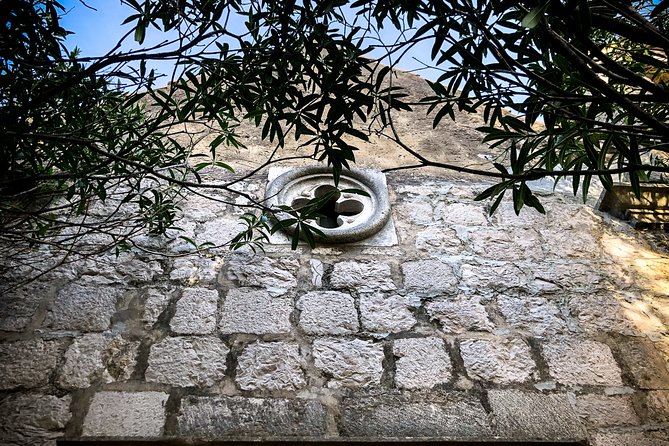
The Dominican Church of St. Nicholas is one of the tour’s major stops. It dates to the fifteenth century and is described as both an art site and a place tied to the education of famous islanders.
The church matters because learning on Lopud was connected with practical life. People read their first book there and gained skills for navigating the sea. That combination of religious education and seafaring ability gives the church a wider role than its architecture alone suggests.
The route information mentions St. Nicholas twice, once as a ten-minute stop and again as a later stop. That may reflect a repeated description or a route variation, so it is sensible to ask Rosy how your version will handle the church. You should not be surprised if the guide spends extra time here, especially if your questions turn toward art, schooling, navigation, or island life.
For me, this is one of the most valuable stops because it connects a building with everyday skills. Lopud was not only a place of wealthy donors and beautiful chapels. It was also a community shaped by the sea.
The Grand Hotel and the arrival of modern island life
The Grand Hotel brings the focus forward to a different period. Rosy explains its astonishing story and its effect on everyday life for island residents.
Hotels can seem like background scenery in a resort destination, but they often change a place more than any single monument. A grand hotel can bring new work, new visitors, new habits, and new expectations. It may also alter the way local people use the waterfront and village.
This stop helps connect Lopud’s old churches and family homes with its more recent identity as a destination. You get a sense of how the island’s social life shifted as hospitality became more important.
The hotel is also a good reminder that Lopud’s story is not frozen in the past. The walk covers centuries, but it is not only an old-stone tour. Rosy also talks about Croatian life today and the island experience beyond formal history.
A route that can finish at Šunj Beach
The advertised walking time is about one to two hours. The core stops take roughly thirty-five minutes in the first section and about an hour in the second, not counting the time spent walking between them or pausing for questions.
The route description identifies Šunj Beach as the final destination. There, you can choose how to use the rest of your time: swim, eat in one of the restaurants, or take a taxi back to the village. Food and drinks are not included, and transportation back is not included unless arranged separately.
This flexible ending is useful if you want the tour to lead into the rest of your day. You can finish with lunch or a swim rather than returning immediately to the starting point. It also creates a planning issue: bring what you need for your beach plans, and ask in advance where your guide expects the walk to end.
The start and end details mention Villa Vilina and the old port, while the route text points to Šunj Beach. That does not necessarily mean the experience is poorly organized. It does mean you should confirm the exact meeting and ending points before setting your day around a ferry or meal reservation.
What Rosy adds to the experience
Rosy is repeatedly praised for being friendly, relaxed, patient, and able to answer questions across a wide range of subjects. Her background in art history and licensed guiding is particularly useful at the churches, chapels, and old homes.
Her strengths seem to be most valuable for people who dislike scripted sightseeing. You can ask about Lopud’s art, the island’s families, food culture, Croatia today, neighboring countries, or local customs. She also gives practical tips about getting around the Elaphiti Islands.
Some versions of the walk have included her dog, Chichita. That should not be treated as a guaranteed feature, but it may happen depending on the day and arrangement. A sunset walk toward Ponta has also been part of some customized outings, so ask if you want a later or modified route rather than the standard 9:00 a.m. start.
The private format makes this flexibility possible. You can take a slower pace, skip a subject, or spend longer at a church that interests you. The tradeoff is that a one-to-two-hour walk cannot cover every part of Lopud in great detail.
Price, timing, and who gets the best value
At $33.72 per person, the tour is priced reasonably for a private experience, especially if two or more people share the booking. The fee includes an English-speaking licensed local guide, a custom-made program, tour organization, and coverage of Lopud’s main historical, artistic, and botanical sites.
You are paying for interpretation rather than admission tickets. The listed stops have free admission, and the museum is not open to the public, so the price is mainly for Rosy’s time and local expertise.
I think the tour offers the strongest value at the beginning of a Lopud stay. It gives you context for buildings you might otherwise pass without noticing, plus practical advice for moving around the island. You can then return to the places that caught your attention.
The experience is best for couples, families, friends, and small groups who want a personal walk. It suits people interested in art, architecture, local stories, and island history. Most people can participate, service animals are allowed, and the meeting point is near public transportation.
The main drawback is weather. Good conditions are required, and a cancellation caused by poor weather results in either another date or a full refund. You can cancel for a full refund up to 24 hours before the start time, but changes or cancellations inside that window are not accepted.
Should you book the Private Lopud Walking Tour?
Book it if you want Lopud to become more than a pretty stop between Dubrovnik and the beach. Rosy’s mix of art history, local knowledge, legends, and practical advice gives the island a human scale. The old hotels, ruined homes, churches, and gardens make more sense when you know who built them and how island life changed around them.
I would be especially inclined to book if you have a short stay on Lopud, if you enjoy asking questions, or if you have already visited the island but feel you only saw the surface. Confirm the exact endpoint, ask about any preferred interests, and decide in advance if you want time for Šunj Beach.
Skip it if you want a strenuous hike, a museum visit, or a tour with substantial included food and transport. This is a conversational historical walk, not a full-day island excursion. For the right audience, its modest price and private format make it a smart way to get your bearings and see Lopud with more understanding.
FAQ
Where does the Private Lopud Walking Tour start?
The stated starting point is Villa Vilina, Obala Ivana Kuljevana 5, 20222 Lopud, Croatia.
What time does the tour begin?
The scheduled start time is 9:00 a.m.
How long does the walk last?
The experience lasts approximately one to two hours, depending on the route and time spent at each stop.
Is the tour private?
Yes. Only your group participates, so the guide can adjust the program and answer questions specific to your interests.
What language is the tour offered in?
The tour is offered in English and includes an English-speaking licensed local guide.
Is the museum open during the tour?
The Lopud Museum has not been open to the public since the Homeland War. The visit takes place in the square in front of the museum.
Is transportation included?
Traveler pickup is not included, but it can be arranged on request from the mainland or other Elaphiti Islands. Transportation back from Šunj Beach is also not included.
Can I swim or eat at the end of the walk?
If the route finishes at Šunj Beach, you can choose to swim, have lunch at one of the restaurants, or arrange a taxi back to the village. Food and drinks are not included.
What is the cancellation policy?
You can cancel at least 24 hours before the start time for a full refund. Poor weather may lead to a different date or a full refund.
More Walking Tours in Dubrovnik
- Dubrovnik Old Town History Walking Tour
★ 5.0 · 1,684 reviews - Dubrovnik: City Walls Early Morning or Sunset Walking Tour
★ 4.8 · 1,523 reviews - Dubrovnik: Ancient City Walls & Wars Walking Tour
★ 5.0 · 1,270 reviews - Dubrovnik: Game of Thrones Walking Tour
★ 4.9 · 981 reviews
Just added around Dubrovnik
- Full- Day Private Speedboat Tour in Dubrovnik on Elaphiti Islands★ 5.0 · 21 reviews
- Elaphiti Islands Private Dubrovnik Boat Unique Experience★ 5.0 · 10 reviews
- PRIVATE Wine Tour to Konavle country side★ 5.0 · 11 reviews
- Parasailing in Cavtat★ 5.0 · 62 reviews
- Wine tour peninsula Pelješac★ 5.0 · 3 reviews
- Wine Lover’s Tour of Peljesac Peninsula★ 5.0 · 150 reviews
- Welcome to Dubrovnik Walking Tour★ 5.0 · 36 reviews
- Walls Of Dubrovnik: Small-Group Walking Tour With A Local★ 5.0 · 67 reviews
Old Town Walking Tours, compared.



Walking Tour of Split and Diocletian’s Palace
Read our review →


Krka Waterfalls tour with Trogir Walking tour and Krka panoramic boat cruise
Read our review →
City Walls Early Morning or Sunset Walking Tour
Read our review →
Plitvice Lakes with Boat Ride and Zadar Old Town Tour
Read our review →Browse the lists this tour appears in