
Reviewed · MUSEUMS
Dubrovnik: Red History Museum Regular Ticket
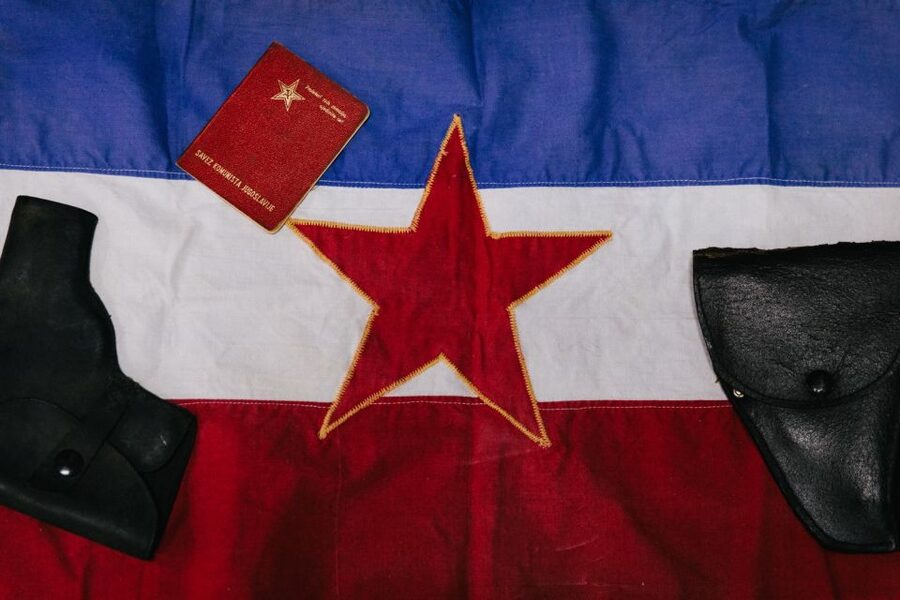
Dubrovnik’s Red History Museum does something the city’s grand walls and polished old town cannot: it explains the recent past that shaped modern Croatia. In a former 1953 factory complex at the port, you get a close look at life under Yugoslav communism through household objects, music, politics, design, and personal stories.
I like the hands-on displays, especially the reconstructed home and the chance to sit in a Yugo 45. I also like the mix of serious history with everyday details, from secret agencies and Goli Otok to old furniture, pop music, and communist versions of Coca Cola and Fanta.
The main drawback is size. This is a small museum, so it will not fill an entire day or replace a formal history tour. Some interactive features, including the scanned images, may need clearer instructions, and not every visitor finds the technology easy to use.
In This Review
- Key points at a glance
- Why this museum adds something new to Dubrovnik
- Entering the T.U.P. factory complex
- Reconstructing a Yugoslav home
- Politics, surveillance, and Goli Otok
- Yugoslav design, music, and popular culture
- Sitting in the Yugo 45
- The museum shop-style finish with old drinks and sweets
- How interactive is the visit?
- Who will get the most from the $11 ticket?
- Allow time for both the fun and serious sections
- Booking and practical value
- Should you book the Red History Museum?
- FAQ
- Where is the Red History Museum located?
- How much does regular admission cost?
- What does the regular ticket include?
- What historical period does the museum cover?
- Can I see a Yugo 45?
- Does the museum have interactive displays?
- Can I try communist-era drinks and candies?
- Can I reserve now and pay later?
- What is the cancellation policy?
Key points at a glance
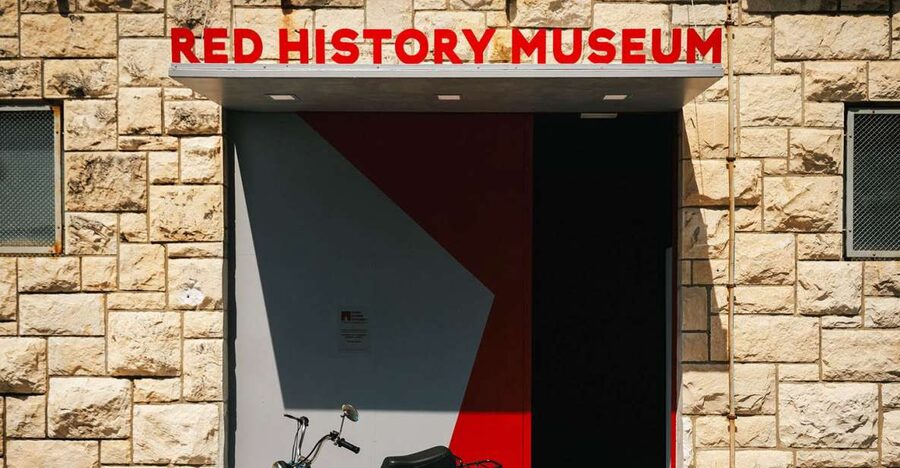
- A former factory setting: The museum occupies Dubrovnik’s last factory complex, T.U.P., built in 1953 near the port.
- Daily life, not just politics: Reconstructed rooms, furniture, music, products, and photographs show how ordinary people lived.
- A Yugo 45 photo stop: Sit in the famous Yugoslav car often jokingly called the worst car ever.
- Communist-era consumer goods: See and sample old-style drinks and candies, including local versions of familiar Western brands.
- A serious look at power: Exhibits cover communist politics, secret agencies, the Non-Aligned movement, and Goli Otok.
- Good value at $11: The ticket is inexpensive for a focused museum visit, especially on a hot or rainy Dubrovnik day.
Why this museum adds something new to Dubrovnik
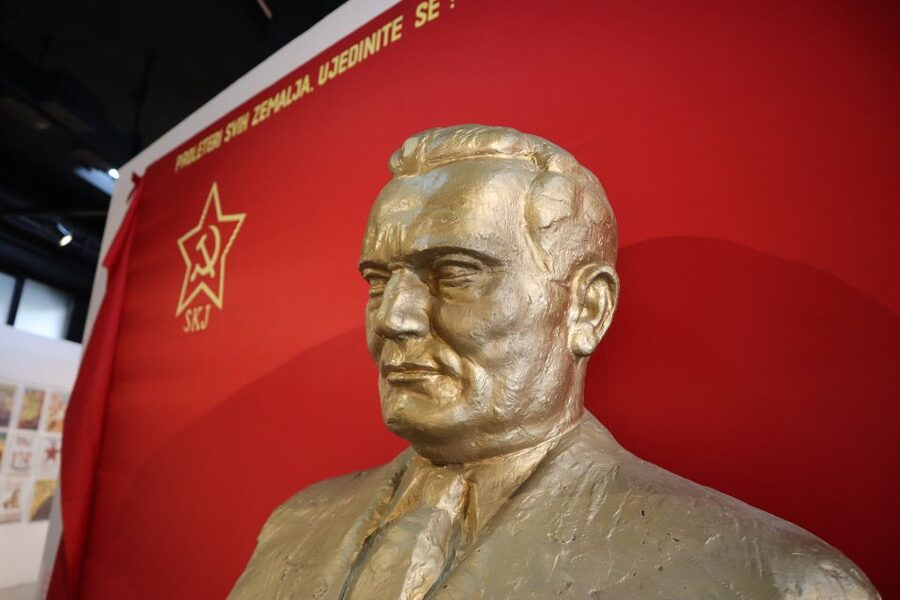
Most first-time visits to Dubrovnik focus on medieval walls, stone lanes, churches, and the Adriatic. Those sights are important, but they can leave you with a picture of the city that ends centuries ago. The Red History Museum shifts your attention to the 20th century and to the political system that shaped daily life before Croatia became independent.
The subject is Yugoslavia, not simply Croatia in isolation. That distinction matters. The museum looks at a country with its own form of socialism, a distinct position between the Soviet bloc and the West, and a role in the Non-Aligned movement. You get a better sense of why present-day Croatia has cultural and political layers that cannot be understood through its medieval buildings alone.
I find this kind of museum useful because it connects large events with small choices. A political system is easier to understand when you see what people listened to, what they kept in their homes, what they drove, and what products appeared on store shelves.
A few more Dubrovnik trips to weigh up
- Skip the Line: Love Stories Museum Admission Ticket
★ 5.0 · 87 reviews - Visit Shell Museum Cavtat
★ 5.0 · 43 reviews - Museum of Selfies & Illusions Dubrovnik Ticket
★ 4.0 · 23 reviews
Entering the T.U.P. factory complex
The museum is in T.U.P., a factory complex built in 1953 in Dubrovnik’s port area. The setting gives the visit a practical sense of place. You are not looking at Yugoslav history in a modern gallery removed from its subject. You are entering a working site from the same period.
That does not mean the building alone tells the whole story. The displays do the real work, but the factory surroundings help set the tone before you reach the exhibits. This is one reason the museum feels different from a standard collection of framed photographs.
The ticket costs $11 per person and includes regular entry. At that price, I see it as a sensible short stop, particularly if you want more substance than a quick photo at a landmark. You are paying for a compact museum with a clear focus, not a full-day attraction.
No transport or guided tour is included in the ticket information. The experience is presented as a museum visit, with exhibits and interactive features taking you through the subject. If a staff member such as Viktor is available to explain the displays, you may get useful extra context, but the ticket itself is for entry.
Reconstructing a Yugoslav home
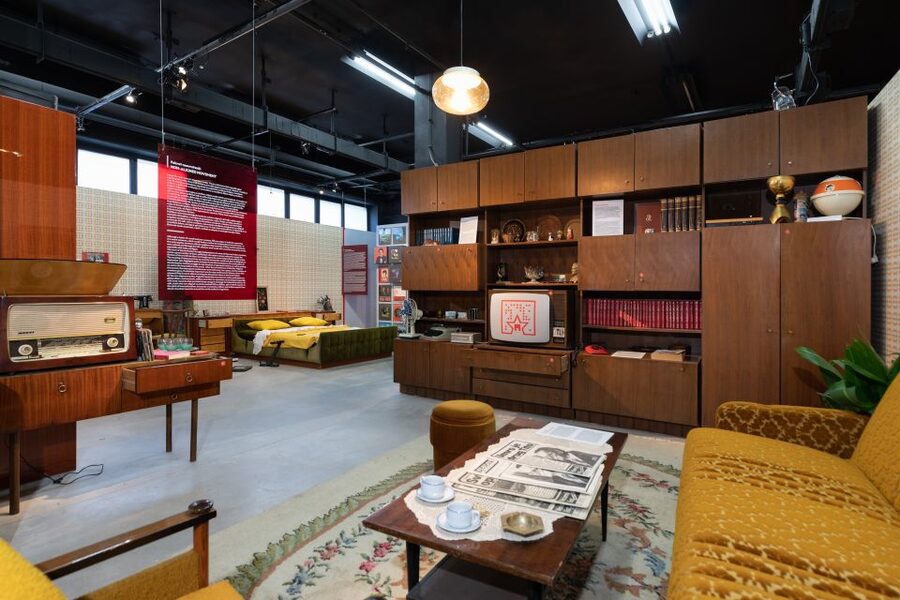
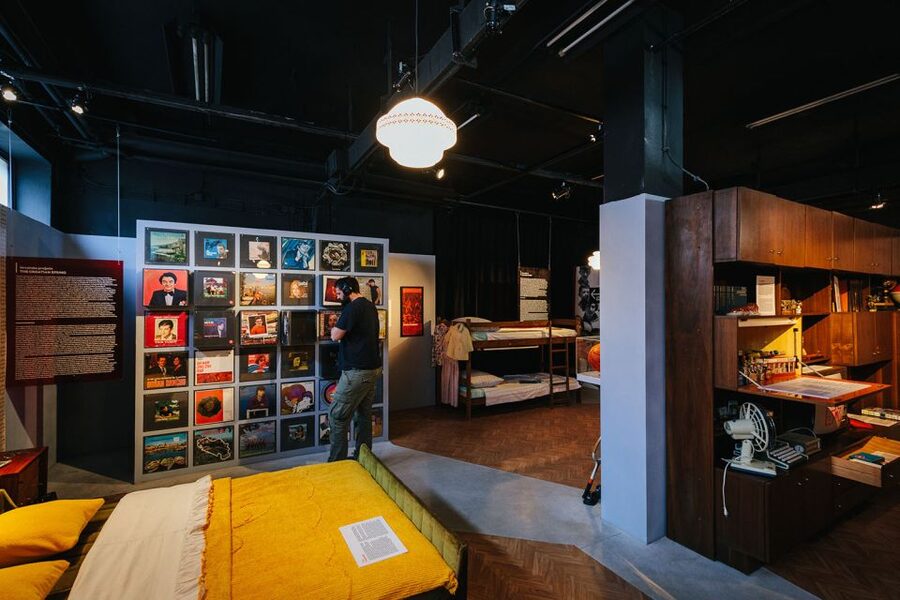
One of the strongest sections recreates a home from the period. Old furniture and household objects make the subject easier to picture than political text alone. You can see how a room might have felt in Yugoslavia during the 1970s and 1980s, when the country was socialist but not identical to the Soviet model.
This domestic setting is especially helpful if you have little background in the region. Terms such as socialism, communism, Yugoslavia, and the Non-Aligned movement can sound abstract. A chair, cabinet, radio, or familiar household item gives those ideas a human scale.
The museum does not present only one simple version of the period. One section aims to show different sides of socialist life. That balance matters. The era included restrictions and political control, but it also included ordinary routines, popular music, family life, design, and products that people remember with affection.
You should allow time to look closely rather than rush from label to label. The museum is small, but the objects reward attention. If you have older relatives who lived through Yugoslavia, this section may also give you useful prompts for conversation.
Politics, surveillance, and Goli Otok
The visit becomes more serious as it moves from household life to the workings of the state. Exhibits address politics, secret agencies, and the way the Communist Party watched over society. These sections explain why the period cannot be reduced to nostalgia for old furniture and music.
A particularly important subject is Goli Otok. Information about the island appears behind curtains, followed by a collection of photographs. The placement creates a physical change in mood, separating a difficult part of the story from the more familiar displays of home life and popular culture.
The museum’s approach is useful because it puts comfort and control in the same picture. You can appreciate the design of an old room or recognize a favorite song while also learning about surveillance, political punishment, and the limits placed on people. That contrast is closer to real life than a display that presents the period as either entirely good or entirely bad.
If your main interest is political history, spend extra time in this section. If you are visiting with children or with someone who prefers light attractions, the material may feel more demanding than the Yugo car and old sweets. The museum’s subject is recent, but not always easy.
Same stretch of coast, a completely different day out:
- Blue Cave Small-Group Boat Tour from Dubrovnik
★ 5.0 · 9,360 reviews - Full-Day Dubrovnik Elaphite Islands Cruise with Lunch and Drinks
★ 5.0 · 8,823 reviews - Dubrovnik: Epic Game of Thrones Tour + Lokrum & Saver Option
★ 4.9 · 5,995 reviews - Dubrovnik: Elaphiti Islands Full-Day Cruise with Lunch
★ 5.0 · 5,938 reviews
Yugoslav design, music, and popular culture
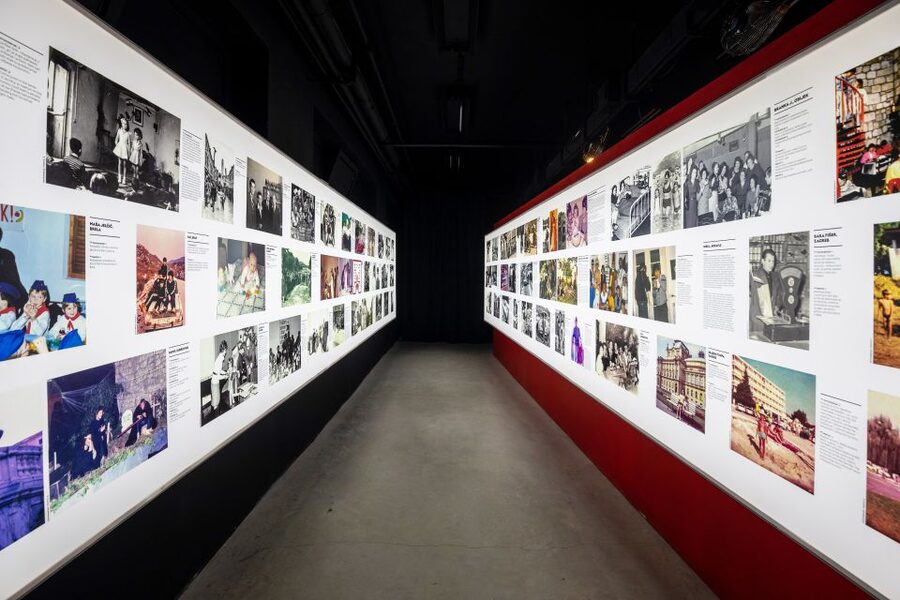
The Red History Museum gives attention to design and pop culture as well as government. That makes the visit more approachable. You are not expected to know every political figure or historical date before arriving.
Music helps set the atmosphere and gives the period a sound as well as a visual style. The greatest hits of the time are part of the visit, connecting the objects to the people who used them. The result is less like reading a political textbook and more like stepping through a collection of signals from an earlier everyday world.
The design section is also worth your time. Socialist countries are often presented through gray official buildings and stern public imagery. Here, you see how style, advertising, consumer goods, and entertainment formed part of life under Yugoslav rule.
The mix of art, politics, products, and music is one of the museum’s best choices. It keeps the information from arriving as one long block of text. Interactive elements break up the displays, although the technology is not always self-explanatory.
Sitting in the Yugo 45
The Yugo 45 is the museum’s most obvious fun stop. You can sit in the car and take a photo, making it an easy favorite for families, car enthusiasts, and anyone who enjoys a little humor with their history.
The Yugo has a reputation as the worst car ever, and the museum plays with that image. Still, the car is more than a joke. It points to questions about Yugoslav manufacturing, local consumer goods, and what it meant to own a car in that period.
This is a good example of the museum’s method. A familiar object draws you in, then leads to a wider question about society. You do not need a background in Balkan history to understand why a small, mass-produced car could become a symbol.
Do not judge the whole museum by this one playful display. The car is a memorable photo opportunity, but the strongest sections are the ones that place it beside domestic life, politics, and personal stories.
The museum shop-style finish with old drinks and sweets
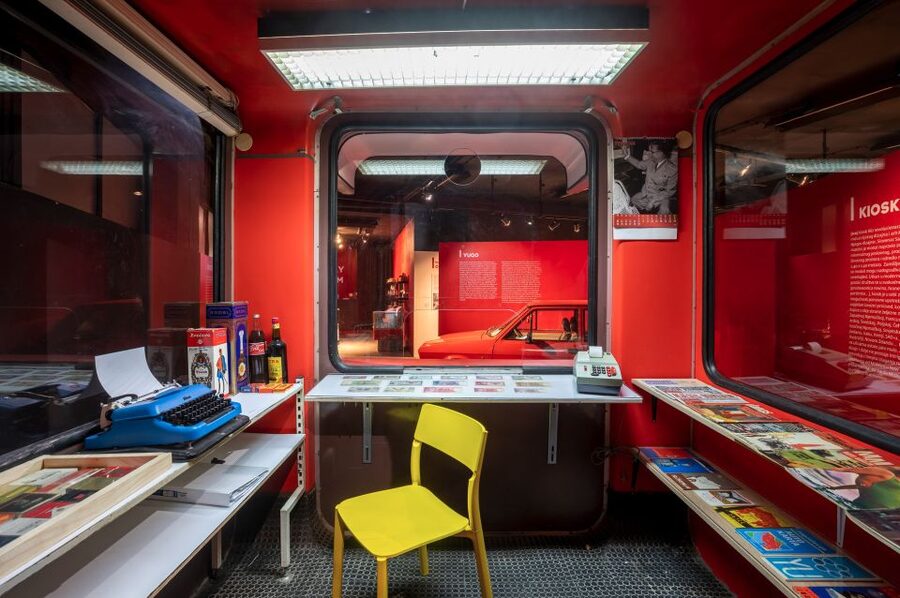
Near the end, you can try popular drinks and candies from the period, including communist versions of Coca Cola or Fanta. These products are sometimes described as parallel universe versions of familiar Western brands. They offer a quick, sensory way to think about trade, consumer culture, and the different products available under Yugoslav socialism.
This ending is light, but it is not pointless. Food and drink often bring back memories faster than a label or photograph. For people with a connection to the former Yugoslavia, the tasting may be personal. For others, it offers a small and memorable introduction to everyday consumer life.
The sweets and drinks also prevent the visit from ending on its most difficult political material. After learning about secret agencies and Goli Otok, you return briefly to ordinary pleasures. That change of tone works well, as long as you understand that the museum is not treating serious history as a joke.
How interactive is the visit?
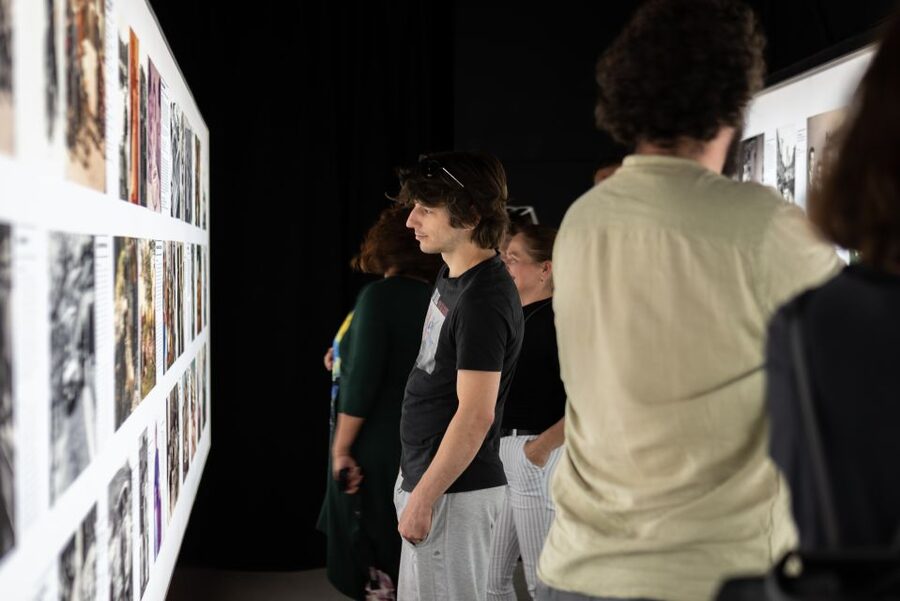
The museum uses both older objects and newer technology. You can expect more than a line of cases with labels. There are interactive elements, digital material, music, reconstructed spaces, and objects designed to make you look, listen, and take part.
The interactive approach is a major strength for visitors who find conventional museums tiring. It gives you several ways to absorb the subject, and the reconstructed home keeps the information grounded in physical details.
There is one practical weakness. Some scanned images may not respond clearly, and you may need better instructions to understand what to do. Do not assume every digital feature will work instantly. If something seems inactive, ask a staff member rather than spending too long trying to solve it yourself.
The technology should support the history, not become the main event. In this museum, the furniture, photographs, music, and political material are important even when a screen or scanner is less successful.
Who will get the most from the $11 ticket?
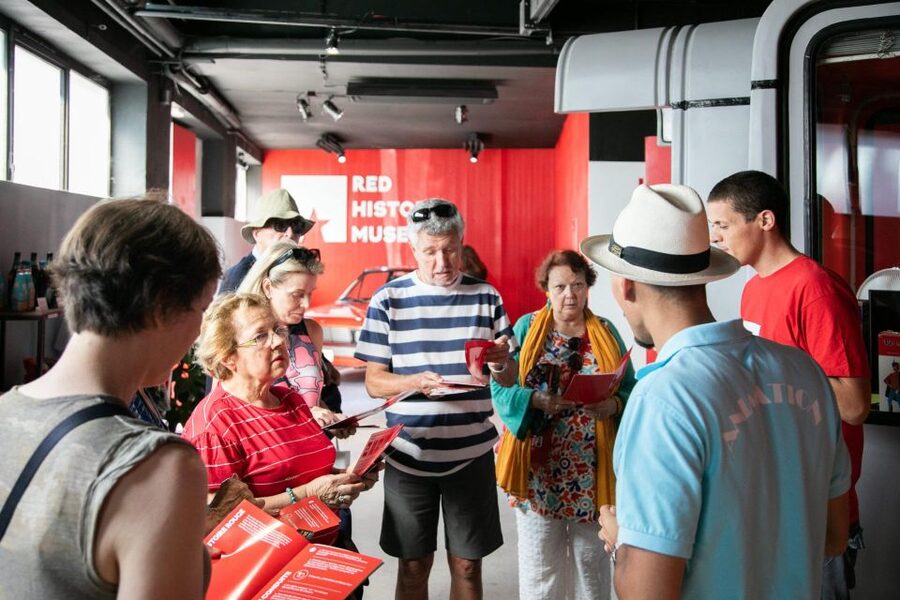
I would recommend this museum to several kinds of visitors:
- You want context for modern Croatia rather than another medieval sight.
- You enjoy social history and seeing how ordinary people lived.
- You are interested in Yugoslavia, socialism, communism, or the Non-Aligned movement.
- You like museums that mix objects, sound, photographs, and interactive displays.
- You are visiting Dubrovnik on a rainy day or during the hottest part of the afternoon.
- You are traveling with teenagers who may respond better to a Yugo 45 and old products than to long historical panels.
The museum may be less suitable if you want a large collection, a long guided tour, or a detailed academic treatment of every decade. Its size keeps the visit manageable, but it also limits how far each topic can go.
At $11, that limitation is reasonable. You are not paying for a major national museum with hours of galleries. You are paying for a focused, well-designed introduction to a period that many Dubrovnik visitors otherwise miss.
Allow time for both the fun and serious sections
A common mistake would be to treat the Red History Museum as a quick photo stop. The Yugo and old products are easy to notice, but the political displays deserve attention too.
Move slowly through the reconstructed home, then give the sections on secret agencies and Goli Otok enough time. Look at the photographs after the material behind the curtains. The museum works best when you connect these difficult subjects with the ordinary objects shown elsewhere.
You should also listen to the music and notice how the displays shift between public ideology and private life. The point is not simply to decide if the period was good or bad. The point is to understand how a society could offer familiar routines and national pride while also operating under party control.
The visit has no stated duration, so plan it as a flexible stop rather than an appointment built around a precise timetable. Since the museum is small, you can fit it into a Dubrovnik sightseeing day without giving up the city’s main historic sights.
Booking and practical value
The regular ticket is $11 per person. You can reserve and pay later, which helps if your Dubrovnik plans are still changing. Cancellation is allowed up to 24 hours in advance for a full refund, giving you some protection if your schedule shifts.
The ticket includes regular entry to the Red History Museum. It does not list transport, a meal, or a separate guided tour as included services.
The experience is offered by Majeutika d.o.o. Staff can add useful explanations, and Viktor is specifically noted for giving informative help. Still, you should think of this primarily as a museum visit, not a long walking tour led from one Dubrovnik landmark to another.
I also like that the museum does not require a full day from you. Dubrovnik can be expensive, and an $11 cultural stop with a clear subject is a fair use of your budget. Its value is strongest if you want to understand the city’s recent identity, not only photograph its old stone center.
Should you book the Red History Museum?
Yes, if you want a compact, engaging look at Croatia’s recent past. The combination of a former factory, reconstructed home, political displays, music, old consumer goods, a Yugo 45, and communist-era sweets gives the museum a clear personality.
Book it if you enjoy history told through ordinary objects and if you want a break from Dubrovnik’s medieval focus. It is also a smart choice for a hot or rainy stretch of the day.
Skip it if you are looking for a large museum or a lengthy, highly detailed history course. The technology may occasionally need clearer instructions, and the small size means you can finish quickly.
For most visitors interested in modern Croatia, the $11 price is easy to justify. The museum helps you see that Dubrovnik is not only a walled medieval city. It is also part of a much more recent story, shaped by Yugoslavia, socialism, family life, consumer culture, and political change.
FAQ
Where is the Red History Museum located?
The museum is in the T.U.P. factory complex in Dubrovnik’s port area. The complex was built in 1953 and is described as the last factory complex in Dubrovnik.
How much does regular admission cost?
The regular ticket costs $11 per person.
What does the regular ticket include?
It includes regular entry to the Red History Museum.
What historical period does the museum cover?
The museum explores Croatia’s communist history and life under the Yugoslav regime, with attention to politics, culture, design, and daily life.
Can I see a Yugo 45?
Yes. The museum includes a famous Yugo 45, and you can take a photo in the car.
Does the museum have interactive displays?
Yes. The museum uses old and new technology, along with interactive features, photographs, music, reconstructed rooms, and physical objects.
Can I try communist-era drinks and candies?
Yes. Near the end of the visit, you can try popular drinks and candies from the period, including communist versions of Coca Cola or Fanta.
Can I reserve now and pay later?
Yes. The booking option allows you to reserve your place and pay later.
What is the cancellation policy?
You can cancel up to 24 hours in advance for a full refund.
Just added around Dubrovnik
- Full- Day Private Speedboat Tour in Dubrovnik on Elaphiti Islands★ 5.0 · 21 reviews
- Elaphiti Islands Private Dubrovnik Boat Unique Experience★ 5.0 · 10 reviews
- PRIVATE Wine Tour to Konavle country side★ 5.0 · 11 reviews
- Parasailing in Cavtat★ 5.0 · 62 reviews
- Wine tour peninsula Pelješac★ 5.0 · 3 reviews
- Welcome to Dubrovnik Walking Tour★ 5.0 · 36 reviews
- Wine Lover’s Tour of Peljesac Peninsula★ 5.0 · 150 reviews
- Dubrovnik at War 1991-1992 Private Walking Tour★ 5.0 · 4 reviews
Museums, compared.
Blue Lagoon & Underwater Museum from Split with Lunch & Drinks
Read our review →
Skip-the-Ticket-Line Museum of Broken Relationships
Read our review →
PREMIUM Emperor’s Walking Tour for History Lovers + Museum
Read our review →
Klis Fortress GOT and Olive Museum Entry Tickets
Read our review →
Browse the lists this tour appears in