
Reviewed · FOOD
Taste of Istria – wine, brandy, vinegar, local food
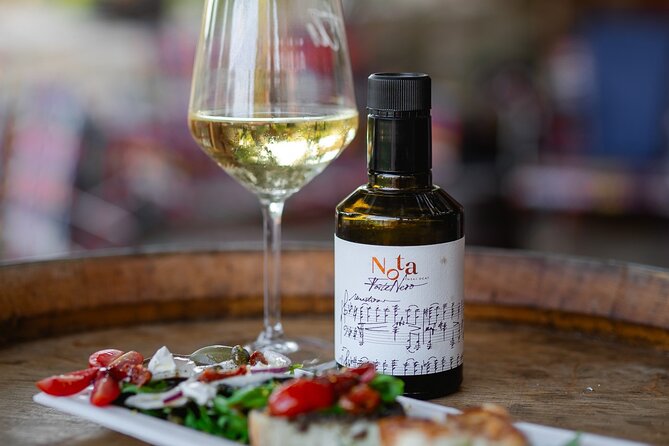
Istrian vinegar is the star here, not a side note to a standard wine tasting. Made from Croatian autochthonous grapes and wines at Tre Terre Estate, it gives you a close look at a product few visitors get to explore. You’ll learn how it is produced, how it can be used in everyday cooking, and why people value it for its health aspects.
I like the small setting, limited to seven people, and the easy mix of scenery, food, and drink. I also like the tasting design: three vinegars, three Istrian wines, and three finger foods, rather than one quick sip followed by a sales pitch. Hosts Nina and Marcela are praised for being warm, funny, and serious about sharing their wine knowledge.
The main drawback is the short running time. At roughly 45 minutes to one hour, you get a focused introduction rather than a long winery visit. Check the meeting details carefully too, since the listed address is Dragočevac 1 in Marušići, while the activity itself is described around Momjan and Tre Terre Estate.
In This Review
- Key points to know before booking
- Why Istrian vinegar deserves your attention
- Walking through Tre Terre’s vineyard and lavender fields
- The vinegar lesson, from grape to bottle
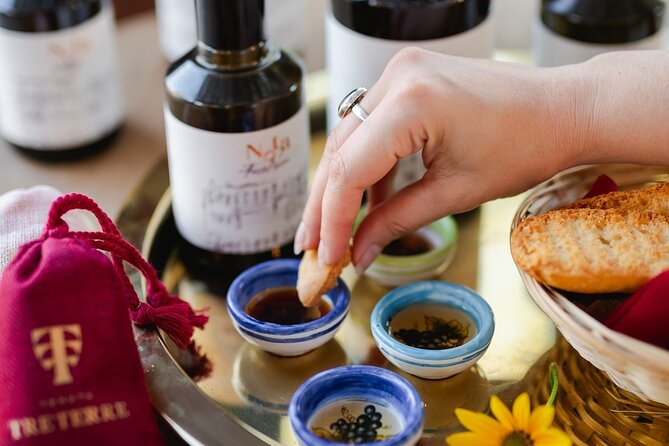
- Three vinegars, three wines, and three small bites
- What the small group changes
- How the guides shape the experience
- Is $52.41 a fair price?
- Who should book this tasting?
- My recommendation for booking
- FAQ
- Where does the experience start?
- How long does the tasting last?
- What is included in the tasting?
- Are minors allowed?
- How many people can join?
- Can I cancel for a refund?
Key points to know before booking
- Vinegar is the main subject: You learn how Croatian grapes and wines become Istrian vinegar.
- Three pairings are included: Expect three vinegars, three local Istrian wines, and three finger foods.
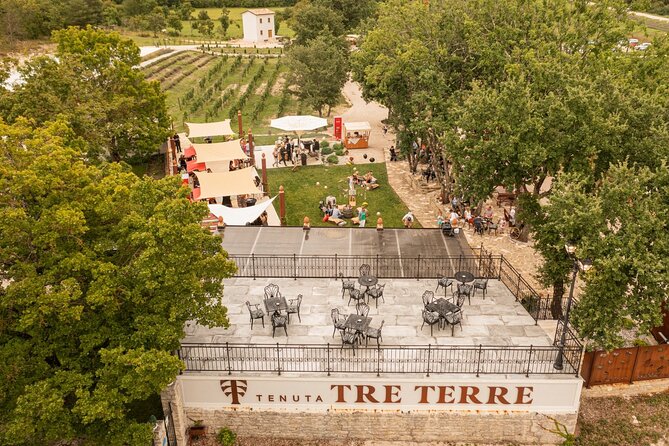
- The setting is part of the visit: A short walk leads through Tre Terre’s vineyards and lavender fields.
- The group is very small: A maximum of seven people allows time for questions and conversation.
- Nina and Marcela host the tasting: Their friendly, relaxed style is a major part of the experience.
- Plan for a short visit: The stated duration is about 45 minutes to one hour, with no transport listed.
Why Istrian vinegar deserves your attention
Most visitors come to Istria thinking first about wine, olive oil, truffles, and seafood. Vinegar usually arrives as a condiment on the table, if it gets any attention at all. This tasting turns that order around.
At Tre Terre Estate, the focus is on vinegar made from Croatian autochthonous grapes and wines. That local connection matters. You are not simply sampling a generic wine vinegar and hearing a few broad facts about production. You are being introduced to a product linked to Istrian grapes and the estate’s own setting.
The visit explains how vinegar is produced and how you can use it beyond a basic salad dressing. The guides also share tips and recipes for working Istrian vinegar into everyday cooking. That makes the tasting useful after you leave, especially if you enjoy bringing home food ideas rather than just another bottle.
I like tastings that give you a way to remember a place through its daily habits. Wine tells you about the vineyard and the glass. Vinegar tells you how those same ingredients can continue into the kitchen. This experience connects both.
A few more Istria trips to weigh up
- PERVINO – Wine tasting
★ 4.5 · 43 reviews - Buje: Authentic Istrian family farm, guided walk, foods & wine
★ 5.0 · 37 reviews - Wine picnic
★ 4.5 · 6 reviews
Walking through Tre Terre’s vineyard and lavender fields
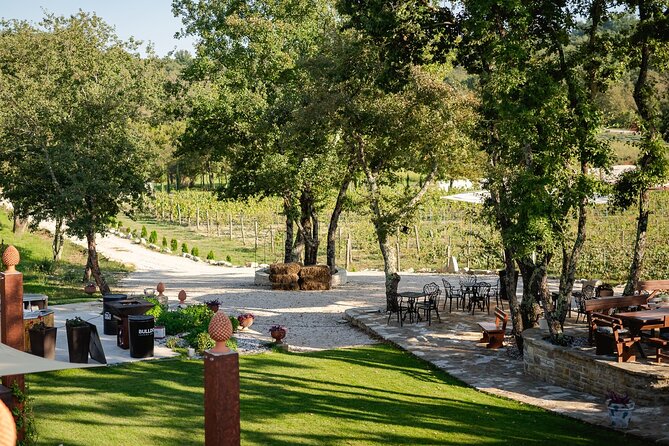
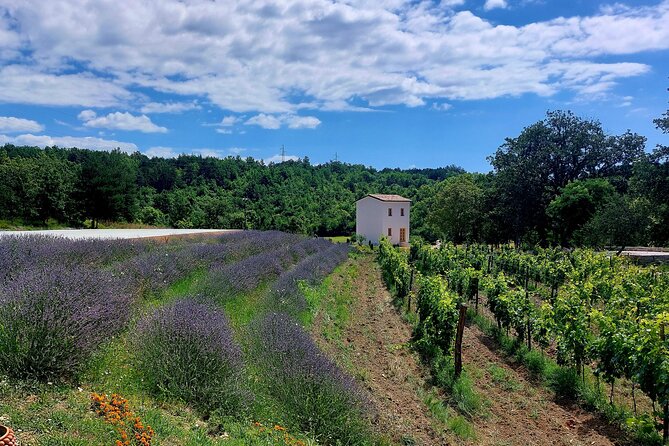
The visit begins with a walk through the estate’s vineyard and lavender fields, accompanied by a welcome drink from Tenuta Tre Terre. The walk is not described as a long hike, so you should think of it as a short introduction to the property rather than a full countryside excursion.
That setting gives the vinegar discussion a useful sense of place. Instead of sitting indoors from the first minute, you see the vines and the fields connected to the estate before turning to the tasting. The lavender adds another scent and visual layer, though the supplied details do not specify how much time is spent there or whether the plants are in bloom during your visit.
Because the activity depends on good weather, the outdoor portion is important to the overall format. In poor weather, the operator may cancel and offer another date or a full refund. Bring sensible footwear for a walk through estate grounds, but do not expect a demanding trek based on the stated 45-minute duration.
The location is described as Momjan, with the meeting address given as Dragočevac 1, 52460 Marušići, Croatia. Since those place names are not identical, I would confirm the exact arrival point before setting out. The tour ends back at the meeting point, and no transportation is included in the information provided.
The vinegar lesson, from grape to bottle
The central part of the visit explains the process of making vinegar from grapes and wine. You will hear how the product develops and why the starting wine matters. The material provided does not give a full technical breakdown of fermentation, aging, or bottling, so you should expect a practical introduction rather than a specialist production course.
That is a good fit for most people. You can ask about the flavors, the food pairings, and the ways to use the vinegar without needing prior wine knowledge. The guides are described as experienced with wine and generous with their explanations, so the conversation seems to be a key part of the visit.
The health side is also included. The tour presents vinegar as something with useful qualities in everyday use, then connects that idea to recipes and kitchen habits. Keep the claims in proportion: this is a tasting and food education experience, not medical advice. Its real value is showing you how a regional ingredient can have a practical place in your cooking.
I would pay close attention to the differences among the vinegars. A tasting like this is most useful when you compare aroma, sharpness, sweetness, and finish. The provided details do not name the three varieties, so the exact selection may change. Ask which one is best with salads, cooked vegetables, meat, or other foods you commonly prepare.
Three vinegars, three wines, and three small bites
The tasting pairs three distinct finger foods with three local Istrian wines and the estate’s vinegars. This is more helpful than sampling each item alone because you can see how acidity changes a bite of food and how wine responds to the same flavors.
The finger foods are not described by name, so do not book this expecting a particular dish. The important point is the structure: three small food pairings designed to show the vinegar’s range. You get an example of how it works at the table, not just a glass of wine and a spoonful of condiment.
The wine portion gives the visit its local character. You are tasting Istrian wines alongside a product made from Croatian grapes and wines, so the two parts belong together. The experience is not presented as a large flight with extensive technical notes. Instead, it is a compact tasting where the hosts can explain the connection between the estate, the wine, the vinegar, and the food.
Past visitors have particularly praised the wine quality and the hosts’ ability to make the information enjoyable. One recurring strength is the balance between useful detail and a relaxed mood. Nina and Marcela are described as professional, funny, and passionate, which is exactly what you want in a short tasting. A stiff presentation could make 45 minutes feel long. A friendly one can make the hour pass quickly.
The brandy mentioned in the tour title appears in the broader experience description and in the praise for the hosts’ wine and brandy tour. The detailed itinerary supplied here focuses on vinegar, wine, and finger foods, so I would confirm whether brandy is included in this specific booking rather than assume it is part of the tasting.
Same stretch of coast, a completely different day out:
- Truffle hunting & cooking tour
★ 5.0 · 257 reviews - Beautiful Sunset and Dolphin Watching
★ 4.5 · 164 reviews - Lim Bay Outrigger Canoe Tour
★ 5.0 · 54 reviews - Kayaking Experience in Lim Bay Sea in The Croatian Fjord
★ 5.0 · 40 reviews
What the small group changes
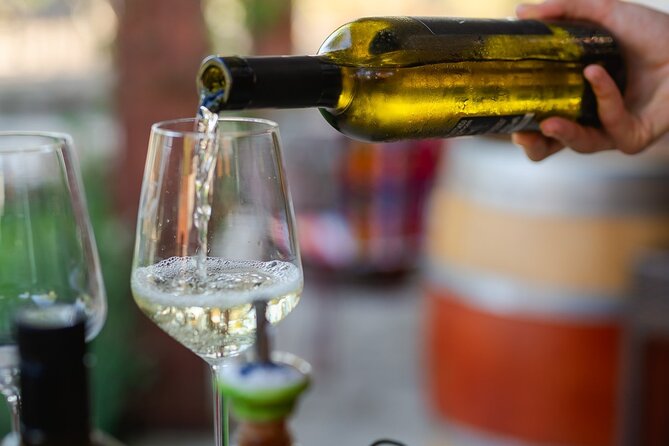
With a maximum of seven people, this is not a bus-style winery stop. The group size gives you a better chance to hear the explanations clearly and ask about the products in front of you.
Small groups also make the food pairing more personal. If you want to know how to use a particular vinegar at home, this is the sort of setting where you can ask directly. The hosts’ reported style is informal and welcoming, with several descriptions of them making people feel like family. That does not mean the visit is private, but it should feel more conversational than a large commercial tasting.
There is one practical limit. A very small group can also mean the tour depends on minimum numbers. If that minimum is not reached, the operator may cancel and offer another date or experience, or provide a full refund. The supplied information does not state the minimum number, so check the booking terms if your schedule is tight.
The experience does not allow minors. Most adults can participate, and service animals are allowed. Since the walk takes place outdoors and weather can affect the tour, tell the operator about any needs when booking rather than assuming every part of the visit will be indoors or fully accessible.
How the guides shape the experience
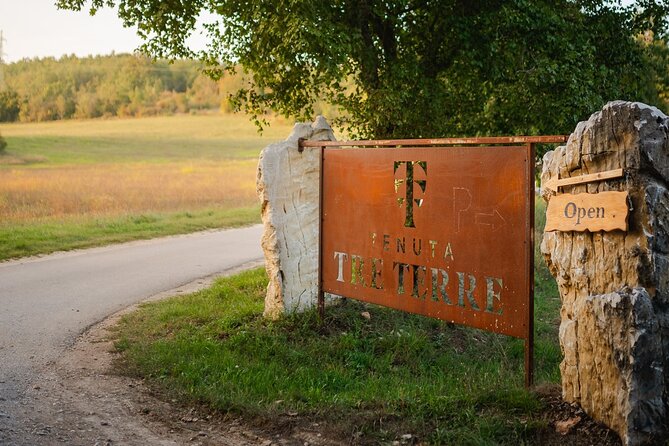
Nina and Marcela receive the strongest praise in the supplied comments. Their appeal is not just friendliness. They are described as having strong wine knowledge, explaining things clearly, and enjoying the work enough to keep the mood light.
That combination matters in Istria, where a tasting can easily become either too basic or too technical. You want enough information to understand what is in your glass, but you also want time to enjoy the place and the people. The hosts seem to aim for that middle ground.
One useful detail is that the guides share recipes and practical ideas for using the vinegar. This is a better souvenir than a list of tasting notes. If you buy a bottle, you should leave with at least one clear idea for using it at home.
The comments also describe the experience as more than a simple wine stop, with nature, food, and conversation all adding to the visit. I would expect the hosts to be the main source of information, since no museum-style displays or formal production tour are listed.
Is $52.41 a fair price?
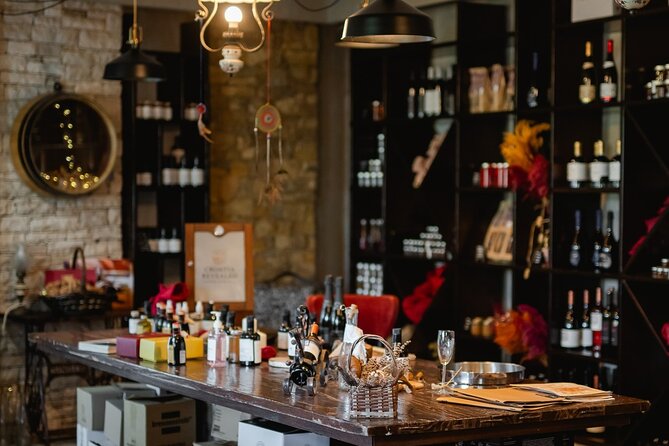
At $52.41 per person, this is not the cheapest way to have a drink in Istria. It can still be a fair price if you value the full combination: an estate walk, a welcome drink, an explanation of vinegar production, three vinegars, three Istrian wines, and three food pairings.
The short duration is the main factor to weigh. At 45 minutes to one hour, you are paying for a compact, guided tasting rather than a half-day winery outing. If you want several producers, a large meal, or a detailed cellar tour, this will probably feel too limited.
If you are already visiting the Momjan area, the value improves. You can fit this into a day of exploring local wine country without giving up hours of your schedule. It also suits you if you are curious about regional foods and want something less predictable than a standard wine flight.
The small group adds value too. You are not paying only for the number of pours. You are paying for access to the hosts, the estate setting, and an explanation of a local product that many tastings would ignore. I would consider it good value for food-focused visitors, especially if the three pairings are generous enough to function as a substantial snack.
Who should book this tasting?
This is a strong choice for adults who enjoy wine but want a wider picture of Istrian food. It works particularly well for you if vinegar, cooking, and regional ingredients interest you as much as wine itself.
It also suits people who prefer small groups and direct conversation. Nina and Marcela’s warm, humorous style should appeal to you if you like tastings that feel personal rather than formal.
The visit may be less suitable if you need a long program. The listed duration leaves little room for a full vineyard tour, a large meal, or a broad survey of Istria’s producers. You should also confirm the meeting point, since the activity description refers to Momjan and Tre Terre Estate while the listed start address is in Marušići.
For an outdoor visit, choose a day when the weather looks stable. If conditions force a cancellation, you can receive another date or a full refund. Free cancellation is available when you cancel at least 24 hours before the start time. Changes or cancellations inside that window are not accepted and are not refunded.
My recommendation for booking
Book this if you want a short, friendly introduction to Istrian wine with an unusual food angle. The vinegar focus, three pairings, estate walk, and tiny group give it more character than a basic tasting at a counter.
Skip it if your priority is a long winery tour, a full meal, or a broad brandy program. The format is compact, and the detailed schedule centers on vinegar, wine, finger foods, and the Tre Terre setting.
For the best fit, confirm two things before paying: the exact meeting location and whether brandy is included in your selected version. If those details match what you want, $52.41 buys a focused taste of Istria, with enough practical food advice to keep the visit useful after you return home.
FAQ
Where does the experience start?
The listed start point is Dragočevac 1, 52460, Marušići, Croatia. The activity description identifies the visit with Tre Terre Estate in the Momjan area, so confirm the precise arrival point before you go.
How long does the tasting last?
The activity lasts approximately 45 minutes to one hour. The itinerary lists a 45-minute visit.
What is included in the tasting?
You can expect a Tre Terre welcome drink, three Istrian wines, three distinct vinegars, and three finger foods prepared to pair with the vinegars.
Are minors allowed?
No. The supplied booking information states that minors are not allowed.
How many people can join?
The group has a maximum of seven participants. The experience also requires a minimum number of participants and may be rescheduled or refunded if that number is not reached.
Can I cancel for a refund?
Yes. You can cancel at least 24 hours before the local start time for a full refund. Cancellations or changes made less than 24 hours before the start time are not accepted or refunded. погод
More Food in Istria
- From Split: Krka Waterfalls, Food & Wine Tasting Tour
★ 5.0 · 9,326 reviews - From Split: Krka Waterfalls, Food & Wine Tasting Tour
★ 4.9 · 6,598 reviews - Split: Blue Lagoon and 3 Island Cruise with Food and Drinks
★ 4.8 · 1,969 reviews - Full-Day Catamaran Cruise to Hvar & Pakleni Islands with Food and free Drinks
★ 5.0 · 670 reviews
Just added around Istria
- PERVINO – Wine tasting★ 4.5 · 43 reviews
- Wine picnic★ 4.5 · 6 reviews
- Parenzana Trail Full Day Cycling Tour from Pula, Rovinj, Poreč or Buje★ 5.0 · 3 reviews
- Private Sparkling Wine Tasting in Istria★ 5.0 · 5 reviews
- Kayaking Experience in Lim Bay Sea in The Croatian Fjord★ 5.0 · 40 reviews
- Lim Bay Outrigger Canoe Tour★ 5.0 · 54 reviews
- Full-Day trip to Lake Bled★ 5.0 · 26 reviews
- Private Truffle Hunting with Cooking Session★ 5.0 · 38 reviews
Food, compared.

Blue Lagoon and 3 Island Cruise with Food and Drinks
Read our review →
Full-Day Catamaran Cruise to Hvar & Pakleni Islands with Food and free Drinks
Read our review →
Dubrovnik Food and Drink Walking Tour with a Local Guide
Read our review →
Split Food Tour: Discover Split One Bite At A Time
Read our review →
Krka Waterfalls, Food & Wine Tasting, Boat Ride & Zadar Old Town
Read our review →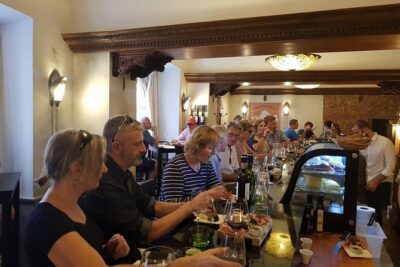
Dubrovnik Old Town Food Tour: Small-Group Experience
Read our review →Browse the lists this tour appears in