Reviewed · PRIVATE
Pearls of the Balkans from / to Dubrovnik; Semi – Private Tour
Kotor’s crooked lanes, Ohrid’s lakeside churches, Prizren’s Ottoman center, and Mostar’s famous bridge all arrive in one fast-moving eight-day journey. You cross six Balkan countries, often in a single day, with private transport and a group capped at 10 people.
I like the mix of major sights and local stops, especially the farm visit at Mrizi i Zanave and the handmade paper workshop in Ohrid. I also like the human scale: a small group, a dedicated tour leader, and the chance to see places that are hard to connect by public transport.
The trade-off is pace. You cover a lot of ground, and hotel quality may not match the price. At $3,434.13 per person, this tour makes the most sense if you value having borders, drivers, accommodation, fuel, and sightseeing organized for you.
In This Review
- Key points at a glance
- Why this route works for curious, first-time visitors
- Day 1: Kotor’s maze and Budva’s old walls
- Day 2: Tirana’s communist past and new energy
- Day 3: Berat’s hillside houses and Ohrid’s lake views
- Day 4: Skopje and the Ottoman streets of Prizren
- Day 5: Albanian farm food and old Shkoder
- Day 6: Lake Skadar and a quiet hour in Virpazar
- Day 7: Blagaj and the rebuilt bridge at Mostar
- Getting around, hotels, and the real price
- Who should book this Balkan circuit?
- Should you book it?
- FAQ
- Where does the tour start and finish?
- How long is the Pearls of the Balkans tour?
- What time does the tour begin?
- How many people can join the tour?
- Which countries does the tour visit?
- What is included in the price?
- Are meals included?
- Can I book a single room?
Key points at a glance
- Six Balkan countries in eight days: Croatia, Montenegro, Albania, North Macedonia, Kosovo, and Bosnia and Herzegovina are linked in one route.
- A small-group format: The maximum is 10 people, with private transportation and a professional tour leader.
- Strong local food stops: Mrizi i Zanave introduces farm-based Albanian cooking and regional produce.
- Excellent cultural range: Expect Venetian, Ottoman, Byzantine, communist-era, Catholic, Orthodox, and Islamic influences.
- A demanding but rewarding pace: Most days combine several border crossings, long drives, and short guided visits.
- Watch the accommodation details: Three-star rooms are based on double, twin, triple, or quadruple occupancy, with a €50 nightly supplement for a single room.
Why this route works for curious, first-time visitors
The Balkans are close together on a map, but the borders, languages, currencies, transport systems, and recent history can make independent planning time-consuming. This trip gives you one continuous route from Dubrovnik, rather than asking you to arrange separate buses, hotels, and transfers in every country.
The payoff is variety. You begin with the stone fortifications of Kotor and Budva, move into Albania’s communist past and food culture, then continue to Ohrid, Skopje, Prizren, Shkoder, Lake Skadar, Blagaj, and Mostar. Each place feels different, and the changes come quickly.
You should also know what this trip is not. It is not a slow holiday with long afternoons at every stop. Visits are often limited to 30 minutes, one hour, or two hours. You get an introduction to many places, but you will leave several of them wishing for another day.
That makes this tour a good fit for someone who wants a broad first look at the region. If you prefer lingering over coffee, taking long museum visits, or setting your own pace, the schedule may feel tight.
A few more Dubrovnik trips to weigh up
- Mostar and Kravice Waterfalls Tour from Dubrovnik (Semi-Private)
★ 5.0 · 3,125 reviews - Dubrovnik: Blue & Green Caves Private Boat Tour with Drinks
★ 4.7 · 814 reviews - Dubrovnik Private Speedboat Tour to Elaphite Islands with Drinks
★ 5.0 · 660 reviews
Day 1: Kotor’s maze and Budva’s old walls
The tour begins with pickup in Dubrovnik and a transfer toward the border, where you meet the tour leader. The published start time is 7:30 a.m., but pickup details also allow a Dubrovnik pickup at 9:00 a.m. or a Kotor pickup at 11:00 a.m. if arranged at least 12 hours ahead. Confirm the exact time before you go.
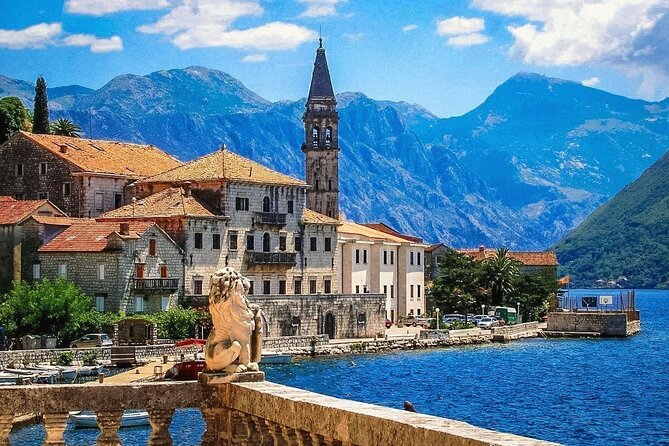
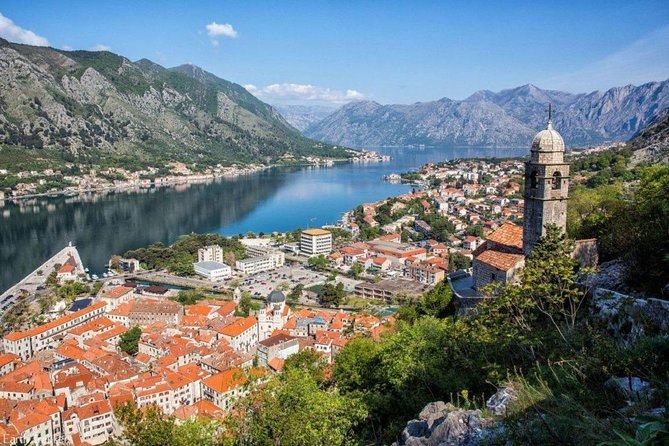
Kotor is the first major stop, and it is a strong opening. Its old town is enclosed by stone walls and filled with narrow lanes that turn unexpectedly. The confusing layout was designed to slow down raiders, but today it makes wandering fun.
You spend about two hours in Kotor, including a visit to St. Luke’s Church. The church matters to local people because it represents unity. Look for the small plaques on old buildings, which identify their original use and construction date.
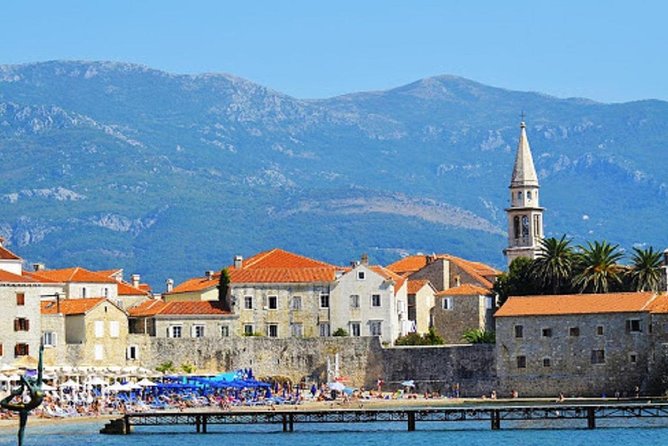
The route continues to Budva, Montenegro’s popular coastal resort. Modern Budva has offices, shopping areas, restaurants, and bars, while the old town keeps its medieval streets and churches. The two-hour visit focuses on the historic center, including St. Ivan Church and St. Mary’s Church.
This is a busy first day. You get two attractive walled towns, but little unstructured time. If you want to climb above Kotor or spend a full afternoon along the coast, you will need to return on another trip.
Day 2: Tirana’s communist past and new energy
After breakfast, you drive to Tirana, Albania’s capital. The city portion combines food-related experiences with a walking route through places that explain Albania’s recent past.
Postblloku, or Checkpoint, is a useful first stop. The memorial recalls political prisoners held during Albania’s communist isolation. It sits opposite the government building on the main boulevard, placing that painful history right in the center of present-day life.
The mood changes in Blloku. Once restricted to members of the communist leadership, the neighborhood is now filled with cafes, boutiques, and street art. You also pass the former residence of Enver Hoxha, Albania’s communist leader.
Skanderbeg Square gives you the city’s main civic setting. Around it are the National Museum, the Bank of Albania, the Opera Theatre, the Skanderbeg statue, and Ethem Beu Mosque. From there, the walk continues to Tirana Castle, now a pedestrian area where old walls and newer shops meet.
Religion is another important theme. Albania was declared the world’s first atheist state in 1967, and the regime banned religious practice. The route passes the Namazgah Mosque, described as the largest mosque in the Balkans, along with the Orthodox Cathedral and Catholic St. Paul’s Cathedral.
You have roughly three hours for the main Tirana experience, followed by shorter visits. That is enough to get your bearings and understand the city’s contrasts, but not enough for a full museum day.
Day 3: Berat’s hillside houses and Ohrid’s lake views
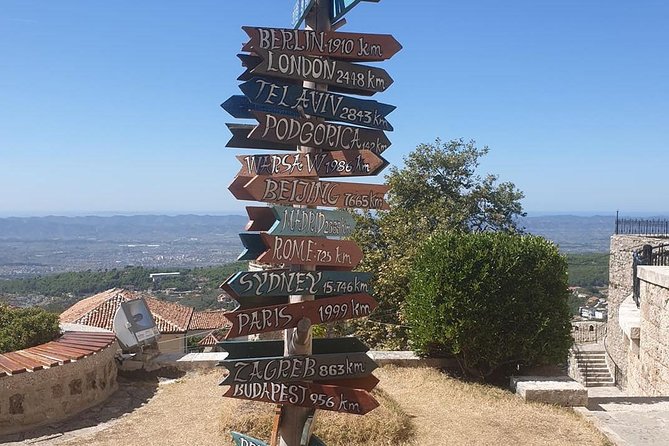
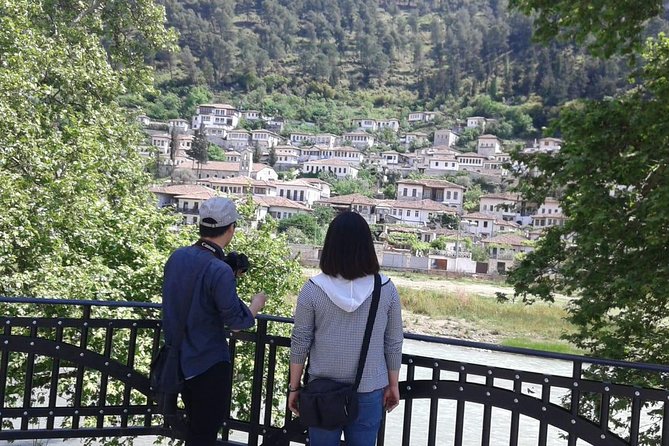
Berat is known as the town of 1,001 windows, a nickname earned from its old houses climbing the hillsides. The windows seem to stack above one another, creating one of Albania’s most recognizable town views.
The visit includes Berat Castle, where people still live inside the walls. That detail makes the site feel like a real neighborhood rather than a preserved monument. You also see old churches, mosques, museums, a stone bridge, and traces of the communist period.
The listed stops in Berat are short, only about 30 minutes each. You will see the setting and main points, but the steep stone streets deserve sturdy shoes. The castle is included, so you do not need to budget a separate entrance fee for that visit.
Later, the road continues to Ohrid in North Macedonia. Ohrid and its lake have UNESCO status, and the town has been inhabited since ancient times. It became a major Orthodox center during the Byzantine period and is traditionally associated with 365 churches, one for each day of the year.
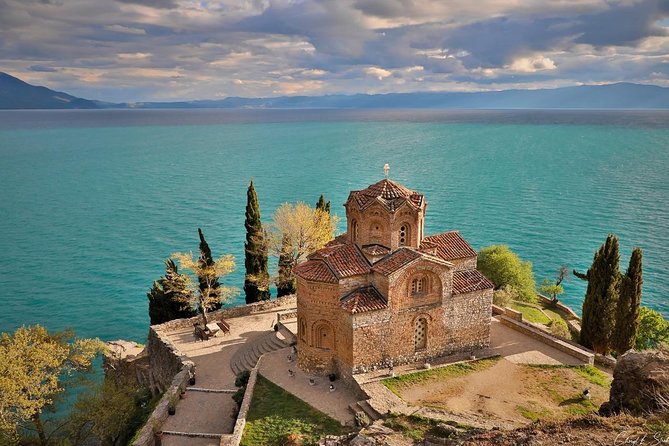
The viewpoint at St. John at Kaneo is the visual highlight. From there, the church and lake form the kind of scene that rewards a camera, although the schedule allows about an hour rather than a full day.
Ohrid’s Ottoman-era houses also help explain the town’s shape. Narrow lanes, tunnels, and small courtyards were built on the hillsides, with many homes positioned to keep a view of the lake.
The small Paper Museum offers a more hands-on stop. At the National Workshop for Handmade Paper, you learn how paper is made by hand using methods linked to the era of Gutenberg. You can buy a piece of handmade paper, making this one of the tour’s more personal souvenirs.
Same stretch of coast, a completely different day out:
- Blue Cave Small-Group Boat Tour from Dubrovnik
★ 5.0 · 9,360 reviews - Full-Day Dubrovnik Elaphite Islands Cruise with Lunch and Drinks
★ 5.0 · 8,823 reviews - Dubrovnik: Epic Game of Thrones Tour + Lokrum & Saver Option
★ 4.9 · 5,995 reviews - Dubrovnik: Elaphiti Islands Full-Day Cruise with Lunch
★ 5.0 · 5,938 reviews
Day 4: Skopje and the Ottoman streets of Prizren
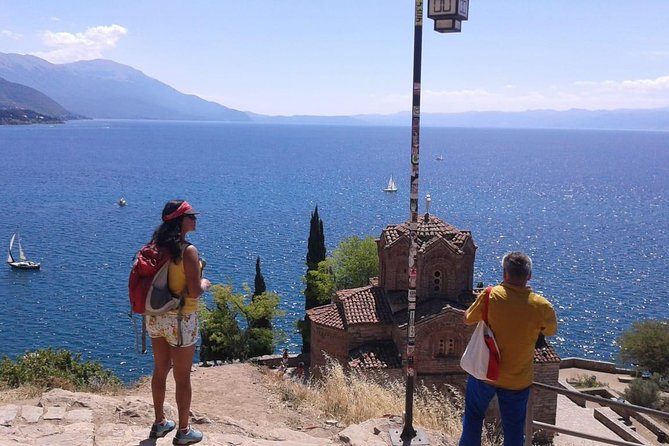
Skopje gives you another sharp change in atmosphere. The capital of North Macedonia combines European, Ottoman, and Asian influences, though the visit is brief.
The Stone Bridge links the newer side of the city with the old quarter. You also see the Alexander the Great statue, the Art Bridge, and the Archaeological Museum. The Art Bridge is lined with statues of Macedonian artists and musicians, plus elaborate street lighting.
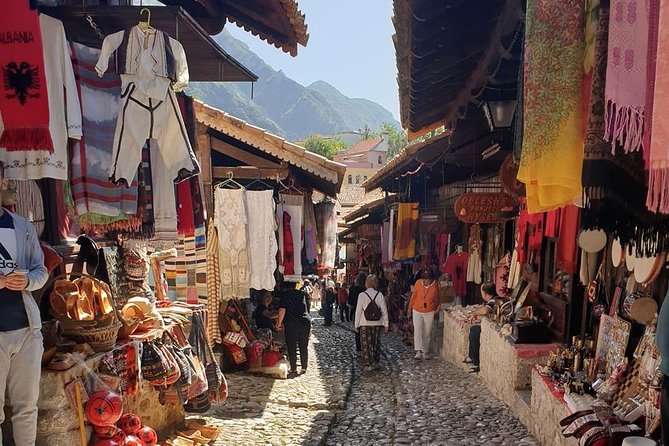
The Old Bazaar is the main reason to enjoy the walking portion. It is described as the largest bazaar in the Balkans and remains an important link to Skopje’s Ottoman past. The famous cross on the mountain above the city can be seen from far away and has become one of Skopje’s symbols.
Later, you cross into Kosovo and reach Prizren. The river runs through the old town, passing under bridges and beside streets shaped by Byzantine and Ottoman influences. Prizren is known for religious variety, food, and architecture, but the time here is still limited.
The Sinan Pasha Mosque is the central interior visit. Its arabesque color and patterns make it a worthwhile stop, especially if you have not seen much Ottoman religious architecture before.
Kalaja Fortress sits above the town and gives you a broad view of Prizren. The climb is useful, but it may feel demanding after a full day of walking and driving. Wear shoes with a firm sole and keep water handy.
Day 5: Albanian farm food and old Shkoder
Mrizi i Zanave is one of the most appealing stops on the route because it connects food with local work. You tour the farm, hear how the family business developed, and see how regional organic products are collected, prepared, and preserved.
The farm has also adapted old communist buildings for storage. That practical reuse gives you a look at how rural businesses work with what they have, rather than simply presenting a polished restaurant setting.
You have free time for a traditional lunch or to buy fresh produce. Lunch is not included, so plan to pay separately. This is one of the better places on the tour to spend extra money, since the meal supports a local operation and adds something beyond sightseeing.
In the afternoon, you reach Shkoder in northwestern Albania. The city gives its name to the great lake shared by Albania and Montenegro, and its long history reaches back to Illyrian and Roman times. Shkoder Castle has walls dating to the first millennium BCE, and the city was once tied to the Illyrian king Gent.
The Venetian Mask Factory provides a lighter final stop. The workshop makes papier-mache masks by hand, with each one painted and decorated individually. You can browse the work and buy a souvenir if something catches your eye.
The day has a good balance of food, history, and craft. It also shows why this is not simply a checklist of churches and fortresses.
Day 6: Lake Skadar and a quiet hour in Virpazar
The route crosses back into Montenegro and follows the area around Lake Skadar, also called Shkodra Lake. The lake is shared by Albania and Montenegro and is the largest lake in the Balkans.
The area is protected as a national park and supports more than 260 bird species, including pelicans and herons. You get about an hour to appreciate the scenery, so this is more of a scenic pause than a full nature outing.
Virpazar is the day’s most relaxed stop. This small lakeside village has stone bridges, traditional houses, a local market, and cafes where you can sit with coffee or local wine. It is a good place to slow down after several city visits.
The final drive takes you to Podgorica, Montenegro’s capital. You have a short introduction and may have time in the evening to see the Millennium Bridge, the old Ribnica River, or Independence Square. The amount of free time will depend on the day’s border crossing and driving conditions.
Do not expect Podgorica to receive the same attention as Kotor or Mostar. It functions mainly as an overnight stop, with a brief chance to see the modern capital.
Day 7: Blagaj and the rebuilt bridge at Mostar
The penultimate day crosses into Bosnia and Herzegovina and begins at Blagaj, just outside Mostar. The town sits below a cliff beside the blue spring of the Buna River, with an Ottoman-era setting and a strong natural appeal.
Blagaj receives about an hour. The visit is short, but the spring and cliff make it different from the stone cities earlier in the trip. It is a fine example of how religious and natural sites often sit together in this part of the Balkans.
Mostar is the emotional high point for many people. Stari Most, or the Old Bridge, was built in the 16th century in an Islamic architectural style and is now a UNESCO site. The surrounding bazaar has steep stone streets, small shops, and a lively atmosphere.
You also see reminders of the city’s wartime history. Stones marked Don’t Forget appear around town, asking you to remember what happened here rather than treating Mostar as only a pretty photo stop.
Bišćevića Kuća adds a quieter historical layer. This 17th-century Ottoman house shows how a wealthy family once lived, with a more intimate feel than the bridge and market streets.
Mostar gets about two hours, enough for the main sights but not a full museum program. The walking surface can be uneven, and the old town has slopes and steps. Pack light for the day and keep your camera secure on crowded streets.
Getting around, hotels, and the real price
Private transportation is one of the main reasons to book this route. You avoid arranging separate buses between six countries, and the tour covers petrol, road taxes, international car insurance, and tourist taxes.
The small group also matters. With no more than 10 people, border days and short walks should be easier to manage than on a large coach. Still, border crossings can affect the schedule, and the company allows changes for weather, strikes, holidays, closures, and other events outside its control.
The tour costs $3,434.13 per person. That price includes accommodation and breakfast, private transport, the tour leader, Dubrovnik or Kotor pickup and drop-off, and entrance fees for the listed sites.
The accommodation is based on three-star hotels and double, twin, triple, or quadruple room occupancy. A single room costs an additional €50 per night. Six breakfasts are specified in the included details, so ask exactly which nights and meals are covered before booking.
This is not a bargain tour. You still pay for lunches, dinners, drinks, snacks, souvenirs, and personal expenses. The value is in the complex route and the transport arrangements, not in luxury hotels.
Hotel standards may also vary from place to place. Some rooms and breakfasts may feel basic, and small rooms can be an issue. If a comfortable hotel room matters greatly to you, ask for the planned properties before paying.
The vehicle deserves attention, too. One couple had repeated trouble with an electric car because charging stops disrupted the route and required long walks by the guide. Another trip had car trouble on the first day, though the company replaced the vehicle and arranged a different guide so the planned route could continue. Ask what type of vehicle will be used and how charging or breakdowns are handled.
The guides can make a major difference. Migen A. is noted for flexibility and strong regional information, while Gesi is praised for food suggestions, care, and adapting the schedule. Tipping is optional, but it is a sensible way to thank a guide or driver who handles a difficult border day or vehicle problem well.
Who should book this Balkan circuit?
I would choose this tour if you want a broad first visit and do not want to plan every border, transfer, and hotel yourself. It suits couples, solo visitors, and small groups who are comfortable with early starts, long road days, and changing countries often.
It is also a good choice if food and local crafts matter to you. Mrizi i Zanave, the Ohrid paper workshop, and the Shkoder mask factory give the itinerary more character than a string of standard photo stops.
I would hesitate if you want beach time, nightlife, or long stays in each city. You may also want a different option if hotel comfort is a top priority or if a nonrefundable booking feels too risky.
Should you book it?
Book it for the route, the small group, and the chance to connect places that are awkward to link on your own. Kotor, Berat, Ohrid, Prizren, Lake Skadar, Blagaj, and Mostar make a powerful sequence.
Before committing, confirm the pickup hour, vehicle type, hotel names, breakfast count, and single-room supplement. If those details suit you, this is a practical way to see a wide slice of the Balkans in eight days. Just arrive ready for a brisk pace and treat the hotels as a base, not the main event.
FAQ
Where does the tour start and finish?
The tour starts in Dubrovnik, Croatia, and returns you to Dubrovnik at the end. Pickup and drop-off are also available in Kotor at no extra charge if arranged in advance.
How long is the Pearls of the Balkans tour?
The tour lasts approximately eight days.
What time does the tour begin?
The stated start time is 7:30 a.m. Pickup in Dubrovnik may be arranged for 9:00 a.m., or pickup in Kotor for 11:00 a.m., provided you request it at least 12 hours before departure.
How many people can join the tour?
The maximum group size is 10 people.
Which countries does the tour visit?
The route includes Croatia, Montenegro, Albania, North Macedonia, Kosovo, and Bosnia and Herzegovina.
What is included in the price?
The price includes three-star accommodation based on shared room occupancy, breakfast, private transportation, a professional tour leader, listed entrance tickets, tourist taxes, international car insurance, road taxes, and petrol.
Are meals included?
Breakfast is included, with six breakfasts specified in the included details. Lunches, dinners, drinks, snacks, and personal purchases are not included.
Can I book a single room?
Yes. Single occupancy is available for an additional €50 per night per person in three-star accommodation.
Just added around Dubrovnik
- Full- Day Private Speedboat Tour in Dubrovnik on Elaphiti Islands★ 5.0 · 21 reviews
- Elaphiti Islands Private Dubrovnik Boat Unique Experience★ 5.0 · 10 reviews
- PRIVATE Wine Tour to Konavle country side★ 5.0 · 11 reviews
- Parasailing in Cavtat★ 5.0 · 62 reviews
- Wine tour peninsula Pelješac★ 5.0 · 3 reviews
- Wine Lover’s Tour of Peljesac Peninsula★ 5.0 · 150 reviews
- Welcome to Dubrovnik Walking Tour★ 5.0 · 36 reviews
- Dubrovnik at War 1991-1992 Private Walking Tour★ 5.0 · 4 reviews
Private, compared.
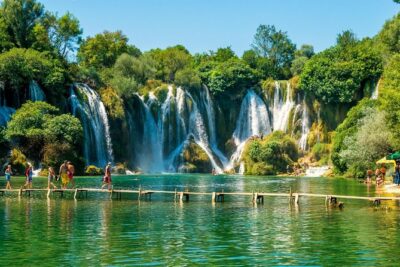
Mostar and Kravice Waterfalls Tour from Dubrovnik (Semi-Private)
Read our review →
Blue & Green Caves Private Boat Tour with Drinks
Read our review →
Dubrovnik Private Speedboat Tour to Elaphite Islands with Drinks
Read our review →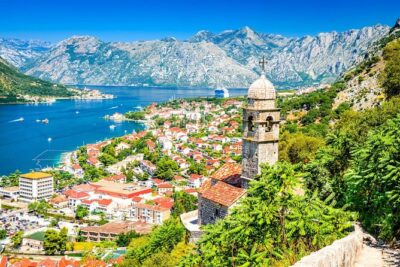
Private Tour: Montenegro Day Trip from Dubrovnik
Read our review →
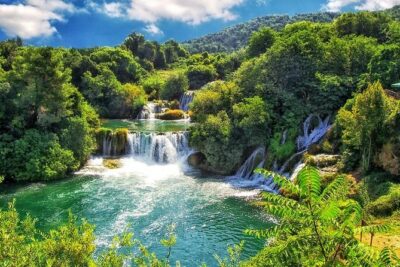
Private Krka Waterfalls tour with 30min Boat Cruse
Read our review →