Reviewed · PRIVATE
Montenegro,Albania&Kosovo; Semi-Private Tour with Tour Leader&Car
The clever part of this trip is its reach: in five days, you move from Dubrovnik into Montenegro, Kosovo, and Albania, then return by road. Kotor’s stone lanes, Prizren’s mosque and hilltop fortress, Kruja’s old bazaar, and Tirana’s food stalls give you a quick but meaningful taste of the western Balkans.
I like the small-group format, which is advertised at eight people in the highlights and at a maximum of 10 in the additional details. I also like the practical package: private transport, four breakfasts, hotel pickup and drop-off, entry tickets, fuel, road taxes, and tourist taxes are included.
The main caution is the pace. You cover long distances and several borders, so this is a sampler rather than a slow stay in each place. The final border handoff also needs clear instructions, especially if you are carrying luggage.
In This Review
- Key points at a glance
- What this five-day Balkan route really delivers
- Day 1: Kotor’s lanes and Budva’s old stones
- Day 2: Farm food and Prizren’s Ottoman center
- Day 3: Kruja, resistance, and a very old bazaar
- Day 4: Tirana through food, markets, and coffee
- Day 4 continued: Shkoder and Rozafa Castle
- Day 5: The return to Dubrovnik and the border handoff
- Price, rooms, and what you still pay
- Who will enjoy this route most
- Should you book it?
- FAQ
- How long does the tour last?
- Where does the tour start?
- What time does the tour begin?
- Can I start or finish in Kotor?
- Are hotels and breakfasts included?
- Is a single room available?
- Are meals included?
- What transport costs are covered?
- What is the maximum group size?
Key points at a glance
- Three countries in one road trip: Visit Montenegro, Kosovo, and Albania while starting and ending in Dubrovnik.
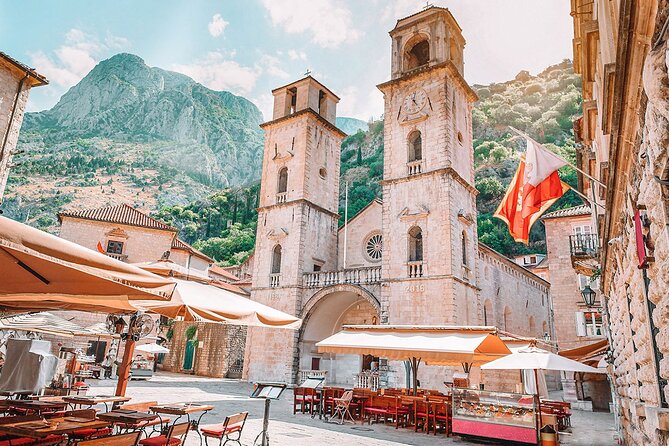
- A good mix of places: See medieval Kotor, seaside Budva, Prizren’s Ottoman-era center, Kruja’s bazaar, Tirana’s food markets, and Shkoder’s castle.
- Food is part of the plan: Try farm produce at Mrizi i Zanave, Albanian byrek, pastries, coffee, lunch, and raki.
- Private transport saves time: Your road travel, petrol, international car insurance, and road taxes are covered.
- The guide can shape the experience: Bledi and Julian were praised for clear information, humor, and adapting the day to personal interests on past departures.
- Budget carefully: The listed price is $2,146.51 per person, with lunches, dinners, drinks, snacks, and single-room supplements extra.
What this five-day Balkan route really delivers
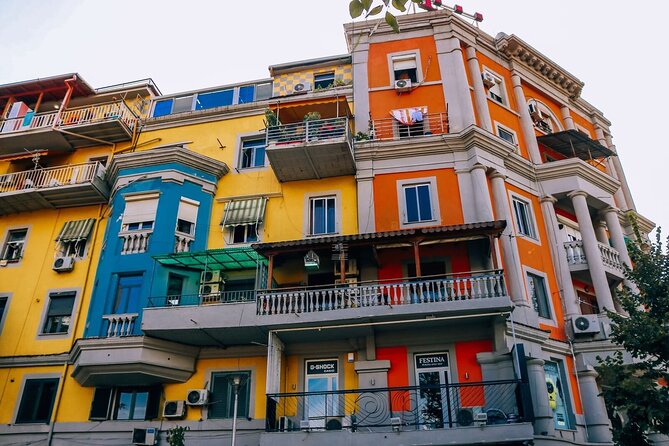
This is not a beach holiday or a relaxed city break. It is a concentrated road journey through places that can be awkward to combine on your own, especially when you add border crossings, different currencies, and changing transport arrangements.
You begin in Dubrovnik at about 7:30 a.m. and travel with a local representative to the border, where you meet the tour leader. On the return, the process is reversed. That split arrangement is important: you do not simply stay with one vehicle and one driver from Dubrovnik through the entire trip.
The route includes four hotel nights with breakfast in 3-star hotels. You also get a professional tour leader, private transportation, tourist taxes, and admission to the listed paid sites. That gives the price more substance than a basic sightseeing transfer, though it remains a costly trip once you add your own meals and drinks.
The schedule is most suitable for you if you would rather see a lot now and return later for longer stays. If you want two unhurried days in Tirana or a full beach afternoon in Budva, this is not the right shape.
A few more Dubrovnik trips to weigh up
- Mostar and Kravice Waterfalls Tour from Dubrovnik (Semi-Private)
★ 5.0 · 3,125 reviews - Dubrovnik: Blue & Green Caves Private Boat Tour with Drinks
★ 4.7 · 814 reviews - Dubrovnik Private Speedboat Tour to Elaphite Islands with Drinks
★ 5.0 · 660 reviews
Day 1: Kotor’s lanes and Budva’s old stones
The opening day moves from Dubrovnik toward Montenegro. After the border handoff, Kotor is your first major stop, with about two hours in the UNESCO-listed old town.
Kotor rewards walking without a fixed plan. Its narrow cobbled lanes twist between old buildings, churches, and small squares. The confusing street plan was designed to slow down would-be raiders, but today it gives the center its character. Look for plaques on old buildings, which identify their former use and date of construction.
The visit includes Saint Luke’s Church. Its importance is tied to the idea of unity among local people, a useful detail that makes the stop more than a quick photograph. Admission is listed as free, though the tour includes entry tickets for the sites that require them.
Two hours is enough to get a feel for Kotor’s center and hear the main stories, but not enough for a leisurely climb or a long café stop. The itinerary does not list a fortress climb, so do not assume you will have time for one.
Next comes Budva, with about an hour in the old town. Budva has a clear split between its modern section, filled with newer buildings, shopping, restaurants, and bars, and its historic center. Your visit focuses on the medieval old town, including St. Ivan Church and the small Church of St. Mary.
I like the contrast between the two stops. Kotor feels enclosed and maze-like, while Budva gives you a different view of Montenegro, one shaped by beaches, tourism, and old stone buildings. The short time in Budva means you should keep your attention on the historic core rather than expect a full look at the wider resort area.
Day 2: Farm food and Prizren’s Ottoman center
Day two crosses into Albania and later Kosovo. The first stop, Mrizi i Zanave, is an agro-tourism farm and slow-food operation. You spend about an hour walking around the property and hearing how the family business developed.
The farm collects, processes, and preserves local organic products. It also adapted old communist-era buildings for storage and created jobs for more than 400 people in nearby communities. That makes this stop especially useful if you want to understand present-day rural Albania, not just look at monuments.
You have free time to buy fresh produce or eat a traditional lunch. Lunch is not included, so bring some Albanian lek or another accepted payment method, and allow for the possibility that your meal choice affects the group’s timing.
After the farm, you continue to Prizren, described as Kosovo’s cultural capital. The old town sits around a river crossed by several bridges, with elegant old houses, religious buildings, and craft shops. Filigree work in precious metals is one of the city’s noted traditions, so this is a good place to look for a small handmade item rather than a generic souvenir.
The published itinerary gives only two minutes for the general Prizren stop, which is clearly too brief to represent the full town. Read that timing as a scheduling marker rather than a complete sightseeing visit. The actual time in Prizren will need to include the mosque and fortress stops, and you should confirm the day’s walking plan with your leader.
Sinan Pasha Mosque receives about 30 minutes. Its painted decoration and arabesque patterns make it one of the most rewarding architectural stops on the route. Dress and behave respectfully at this religious site, and follow the guide’s instructions about entry.
The day ends at Kalaja Fortress, with about an hour and admission included. The fortress sits above Prizren and gives you a broad view over the town. The climb is worthwhile for the panorama, but you should expect uneven historic surfaces and an uphill walk.
Prizren is one of the strongest days of the trip because it combines food, urban history, religious architecture, craft, and a view from above. It is also a day when the road schedule matters most. The more time you spend at the farm or eating lunch, the less free time may remain in town.
Day 3: Kruja, resistance, and a very old bazaar
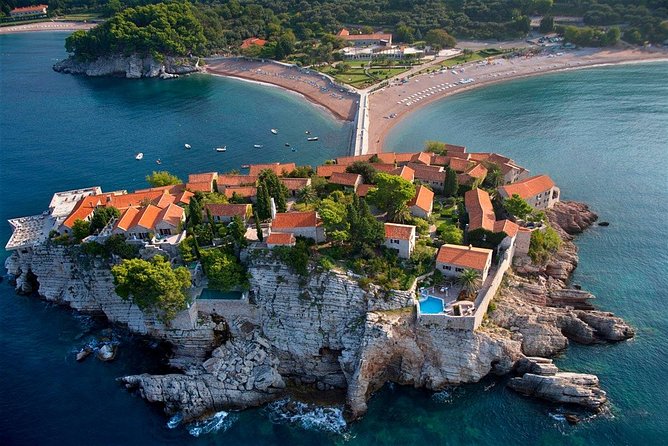
The route returns to Albania for Kruja, a mountain city linked with Albanian resistance to Ottoman expansion in the 15th century. The town sits on rocky ground at roughly 560 meters above sea level, on the slopes of Sarisalltik Mountain.
You first see the town, then walk through Kruja Bazaar. The bazaar’s narrow lanes and wooden houses give it an old-fashioned feel, and it is presented as one of the biggest and oldest bazaars in the Balkans. This is the main shopping stop of the tour.
You can look for carpets, jewelry, and handmade Albanian souvenirs. Bargaining is part of the experience, but keep it friendly and practical. Since personal purchases are not included, you may want to set a spending limit before you arrive.
Kruja Castle follows, with about 30 minutes and admission included. The castle occupies a rocky hilltop, chosen for its defensive position. Half an hour is enough for a guided look, but you should not expect to explore every corner or museum collection at length.
Kruja works well as a cultural counterpoint to the coastal towns. You see how national memory, mountain geography, and traditional commerce meet in one compact place. The drawback is that the schedule again favors breadth over depth. If shopping is important to you, ask how much free time you will have before the castle visit.
Same stretch of coast, a completely different day out:
- Blue Cave Small-Group Boat Tour from Dubrovnik
★ 5.0 · 9,360 reviews - Full-Day Dubrovnik Elaphite Islands Cruise with Lunch and Drinks
★ 5.0 · 8,823 reviews - Dubrovnik: Epic Game of Thrones Tour + Lokrum & Saver Option
★ 4.9 · 5,995 reviews - Dubrovnik: Elaphiti Islands Full-Day Cruise with Lunch
★ 5.0 · 5,938 reviews
Day 4: Tirana through food, markets, and coffee
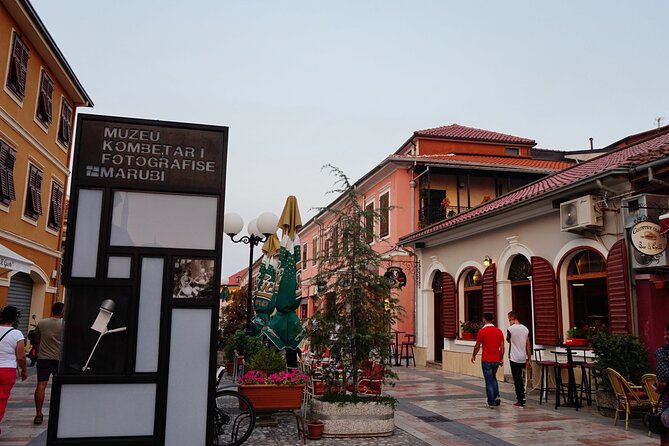
Day four is built around Tirana’s everyday food culture. You meet a local companion and begin with byrek at a small local place. This flaky pastry can contain cheese, meat, or spinach, and it is a practical way to start the morning like a local.
The route then reaches Çam Bazaar, founded by the Albanian Çam community, whose earlier home was in Çameria in today’s northwestern Greece. You can browse clothing, kitchen goods, and other daily-use items while bargaining with sellers.
A second Tirana section takes you through local neighborhoods, pastry shops, narrow lanes, and street markets. You stop for a traditional dessert, see vendors selling fruit and vegetables, and sit at a café for Albanian coffee.
The food focus gives Tirana a human scale. Instead of only seeing major buildings, you get a look at what people eat, buy, and do during an ordinary day. The itinerary does not name the specific cafés or pastry shops, so the exact stops may vary.
At Pazari i Ri, also called the New Bazaar, you visit the Bicycle Bazaar, where secondhand clothes and furniture are sold. You then try a traditional Albanian lunch and finish with raki. Lunch and drinks are not included in the tour price, so budget for them separately.
I would treat raki as a tasting, not a challenge. The local saying about raki fixing everything is cheerful, but the drink is strong. If you do not drink alcohol, you should be able to tell your local companion and choose not to participate.
The Tirana portion lasts only a few hours before the drive to Shkoder. It is a good introduction to the capital’s food and street life, but it is not a full city tour. You will not see every major museum or square in this schedule.
Day 4 continued: Shkoder and Rozafa Castle
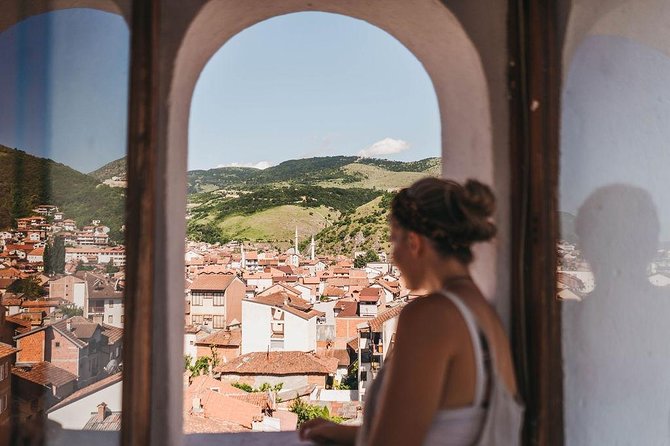
After Tirana, you drive north to Shkoder, one of Albania’s oldest cities. The city gives its name to the country’s largest lake, and its recorded past reaches back through Illyrian and Roman periods.
The stop in Shkoder lasts about an hour before you visit Rozafa Castle for another hour. The castle is known for views toward the lake and the three rivers that meet before flowing toward the Adriatic Sea.
Rozafa is a strong final sightseeing stop because it gives you open views after several days of tight old-town streets. The castle is also the kind of place where comfortable shoes matter. The tour includes admission, but the route does not specify how much of the castle grounds you will cover.
The long drive from Tirana to Shkoder makes this a full day. You will have more energy for the castle if you keep your Tirana food stops relaxed and do not overpack your morning.
Day 5: The return to Dubrovnik and the border handoff
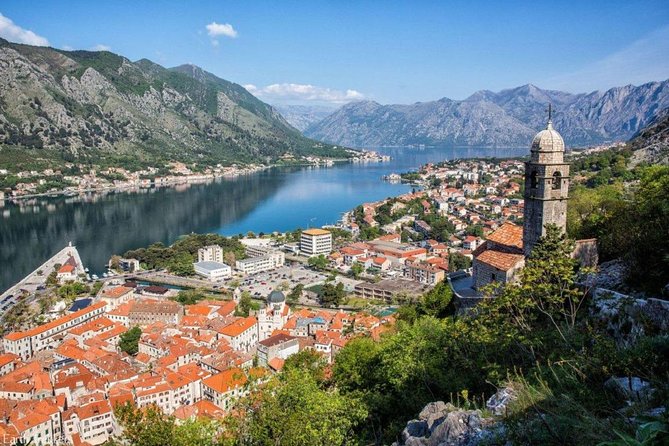
After breakfast, you have some free time before beginning the return toward Dubrovnik. The journey passes through Montenegro and is described as scenic, though the exact stops are not specified.
At the Croatian border, the local representative is meant to take you onward to your Dubrovnik hotel. This is the part of the trip where you should pay close attention to meeting instructions. On one past departure, the Albanian guide walked the group to the border waiting area but did not remain with them while the Croatian driver was delayed by about 10 minutes. The handoff was eventually completed, but the uncertainty caused real stress.
The operator accepted responsibility for the guide not waiting and said steps were taken to prevent a repeat. My practical advice is simple: ask exactly where you should stand, who will meet you, and whether you should remain in one place with your bags. Do not assume that crossing customs on foot or walking uphill is part of the plan.
The first-day and last-day transfer system is workable, but it is less smooth than having one vehicle and driver for the full route. Clear communication matters more than usual.
Price, rooms, and what you still pay
At $2,146.51 per person, this is a major purchase. The value depends on how much you prize having the driving, border connections, hotels, guide, and admissions arranged for you.
The price includes four nights of 3-star accommodation with breakfast, private transport, fuel, road taxes, international car insurance, tourist taxes, and entry tickets for the listed paid attractions. If you tried to arrange this route yourself, the border planning and one-way transport between several countries would take time and care.
You still pay for lunches, dinners, drinks, snacks, souvenirs, and personal expenses. The food stops are central to the experience, so do not treat meals as a minor extra. You will want money available for the farm, Tirana markets, Kruja souvenirs, and drinks.
Rooms are priced on double, twin, triple, or quadruple occupancy. A single room is possible for an additional 45 euros per night. If you are traveling alone, that supplement adds 180 euros over four nights, assuming the full four-night stay.
The tour is offered in English. A professional tour leader is included, and local companions are used for parts of the Tirana food experience. Past departures praised Bledi and Julian for humor, useful information, and flexibility, but you should not assume one of them will lead your departure unless confirmed.
Who will enjoy this route most
I would choose this tour if you want an efficient first look at several Balkan countries and prefer a guide to handle the road work. It suits you if you enjoy old towns, fortresses, local food, markets, and changing scenery more than long stretches of free time.
The maximum group size is listed in two ways: eight in the main highlights and 10 in the additional information. Ask the operator to confirm the actual cap for your date. Even 10 people is still fairly manageable, but it will affect how easily the group moves through borders, meals, and narrow streets.
You should also be comfortable with early starts, road travel, border procedures, and walking over cobbles and uphill paths. Most people can participate, but the provided information does not give a detailed accessibility assessment.
This is less suitable if you dislike organized schedules or want to stay in one country. It is also not ideal if you need guaranteed long visits at each attraction. The tour gives you a strong overview, then leaves you to decide where you want to return.
Should you book it?
Book this route if its main promise appeals to you: three countries, one compact trip, and the practical work handled for you. The best parts are the variety, the food-based Tirana day, the farm visit, Prizren’s fortress view, and the chance to see places that are difficult to link independently in only five days.
Before paying, confirm the real group limit, hotel locations, the exact Dubrovnik pickup time, and the border handoff plan. Also check the non-refundable terms carefully, since cancellations or amendments are not refunded.
I would recommend it to an active first-time Balkan visitor who values access and context over a slow pace. I would skip it if you want a relaxed holiday, dislike border transfers, or would rather spend several days getting to know one city properly.
FAQ
How long does the tour last?
The experience lasts approximately five days. The first four days are devoted to sightseeing, and the fifth day is mainly the return journey to Dubrovnik after breakfast.
Where does the tour start?
The standard starting point is Dubrovnik, Croatia, with pickup arranged from your hotel.
What time does the tour begin?
The listed start time is 7:30 a.m. Pickup details also say that, on request at least 12 hours before departure, pickup can be arranged in Dubrovnik at 9:00 a.m. or in Kotor at 11:00 a.m. at no extra charge. Confirm the correct time for your booking.
Can I start or finish in Kotor?
Yes. Hotel pickup and drop-off are offered in Dubrovnik or Kotor, and the pickup details list Kotor pickup at 11:00 a.m. by request.
Are hotels and breakfasts included?
Yes. The package includes accommodation and breakfast in 3-star hotels for all overnight stays, with four breakfasts included.
Is a single room available?
Yes. Single-room occupancy is possible for an extra charge of 45 euros per night per person.
Are meals included?
Breakfast is included, but lunches, dinners, drinks, and snacks are not. You should budget separately for the farm lunch, Tirana lunch, desserts, coffee, raki, and other meals.
What transport costs are covered?
Private transportation, petrol, international car insurance, road taxes, and tourist taxes are included.
What is the maximum group size?
The main tour details describe a group capped at eight, while the additional information gives a maximum of 10 participants. Ask the operator to confirm the cap for your departure.
Just added around Dubrovnik
- Full- Day Private Speedboat Tour in Dubrovnik on Elaphiti Islands★ 5.0 · 21 reviews
- Elaphiti Islands Private Dubrovnik Boat Unique Experience★ 5.0 · 10 reviews
- PRIVATE Wine Tour to Konavle country side★ 5.0 · 11 reviews
- Parasailing in Cavtat★ 5.0 · 62 reviews
- Wine tour peninsula Pelješac★ 5.0 · 3 reviews
- Wine Lover’s Tour of Peljesac Peninsula★ 5.0 · 150 reviews
- Welcome to Dubrovnik Walking Tour★ 5.0 · 36 reviews
- Dubrovnik at War 1991-1992 Private Walking Tour★ 5.0 · 4 reviews
Private, compared.
Mostar and Kravice Waterfalls Tour from Dubrovnik (Semi-Private)
Read our review →
Blue & Green Caves Private Boat Tour with Drinks
Read our review →
Dubrovnik Private Speedboat Tour to Elaphite Islands with Drinks
Read our review →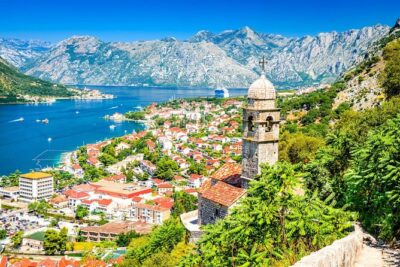
Private Tour: Montenegro Day Trip from Dubrovnik
Read our review →
Private Krka Waterfalls tour with 30min Boat Cruse
Read our review →