
Reviewed · WINE TASTING TOURS
Hvar Wine Tour + Dalmatian Dinner
Hvar’s best wine country lies across the island from Hvar Town, so this tour turns a long drive into a full day of island sights, cellar visits, and dinner. You’ll ride with a local driver, stop for views and village history, and taste wines made in one of Croatia’s oldest grape-growing regions.
I like the small-group format, which gives the day a personal feel, and I like the chance to visit two very different wineries rather than taste a single producer’s range. You also get a proper Dalmatian meal, not just a plate of snacks.
The main drawback is the price: at $276 per person, this is a serious splurge. Winery choices depend on availability, and the day includes a long drive, so it suits you best if you want food, wine, and island scenery more than a quick tasting near town.
In This Review
- Key points at a glance
- Crossing Hvar to the island’s wine country
- Napoleon Fortress and the first island views
- Lavender fields and village history
- Dubokovic in Jelsa and the craft of a small producer
- Carić wines in Vrboska
- Ventus in Vrisnik and the role of wind
- What the two tastings are like
- A Dalmatian dinner in a quiet village
- The value of $276 per person
- Why the driver matters
- Who should book this wine tour
- Practical advice before you go
- Should you book the Hvar Wine Tour and Dalmatian Dinner?
- FAQ
- Where does the Hvar wine tour begin?
- How many wineries do you visit?
- Is transportation included?
- What food is served at dinner?
- Are drinks included with dinner?
- What should I bring?
- Is the tour available in English?
Key points at a glance
- Two winery visits: Taste at two Hvar producers, with possible stops at Dubokovic, Carić, or Ventus.
- A local driver: Driver Kinko has led the route with stops at Napoleon Fortress, lavender fields, and small island chapels.
- Traditional dinner: Expect local cheese, smoked ham, marinated fish, and a choice of Gregada or Pašticada.
- Hvar wine country: Strong sun and wind shape the island’s grape-growing conditions and the character of its wines.
- Small-group setting: The tour has a minimum of two people and is designed for a more personal outing.
- A full island outing: This is not only a wine tasting. It combines viewpoints, villages, food, and wine in one long day.
Crossing Hvar to the island’s wine country
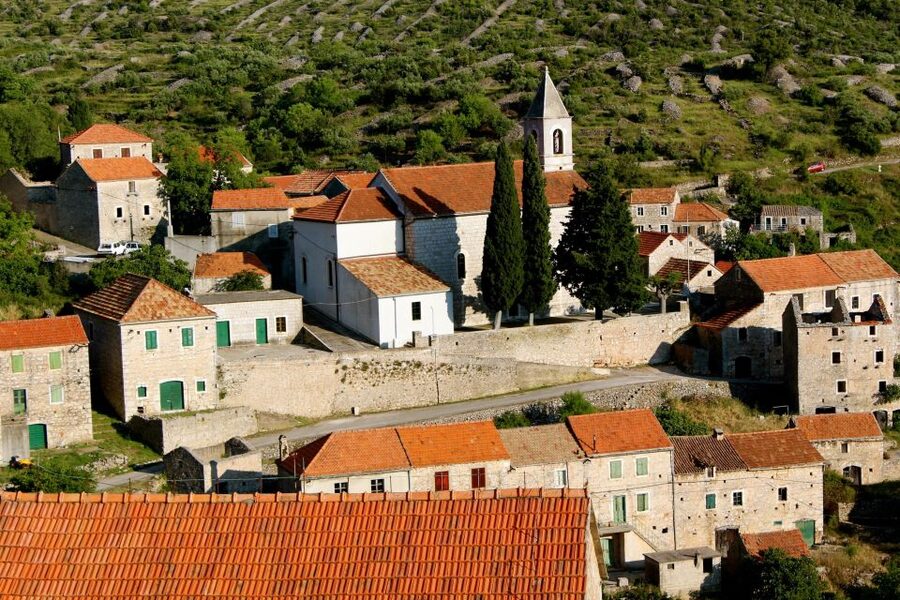
The tour starts in Hvar Town, but the main event happens on the far side of the island. That matters because Hvar’s most important wine-growing area is not just outside the town center. You need a vehicle to reach it comfortably, and this tour makes the drive part of the experience.
The island has grown grapes and made wine since about 300 BC, when ancient Greeks and Romans cultivated vineyards here. Wine was not simply a pleasure. It offered food, trade, medicine, and a useful store of wealth.
You’ll see why Hvar remains suited to grape growing. The island gets strong sun, while regular winds help shape the conditions in the vineyards. The tour’s focus on wind is not just a poetic touch. Ventus, one of the possible wineries, takes its name from the Latin word for wind, and each of its wines is named for a wind linked to the vineyard’s location.
The drive also gives you a wider view of Hvar beyond its polished harbor. Hvar Town is attractive and lively, but this trip moves into smaller settlements and working wine country. If you want to see how the island connects its food, farming, villages, and old roads, this is a useful way to do it without arranging transport yourself.
More wine tasting tours in Vis:
- From Split: Krka Waterfalls, Food & Wine Tasting Tour
★ 5.0 · 9,326 reviews - From Split: Krka Waterfalls, Food & Wine Tasting Tour
★ 4.9 · 6,598 reviews - Krka National Park Tour with tour Guide & Wine tasting from Split & Trogir
★ 5.0 · 1,625 reviews
Napoleon Fortress and the first island views
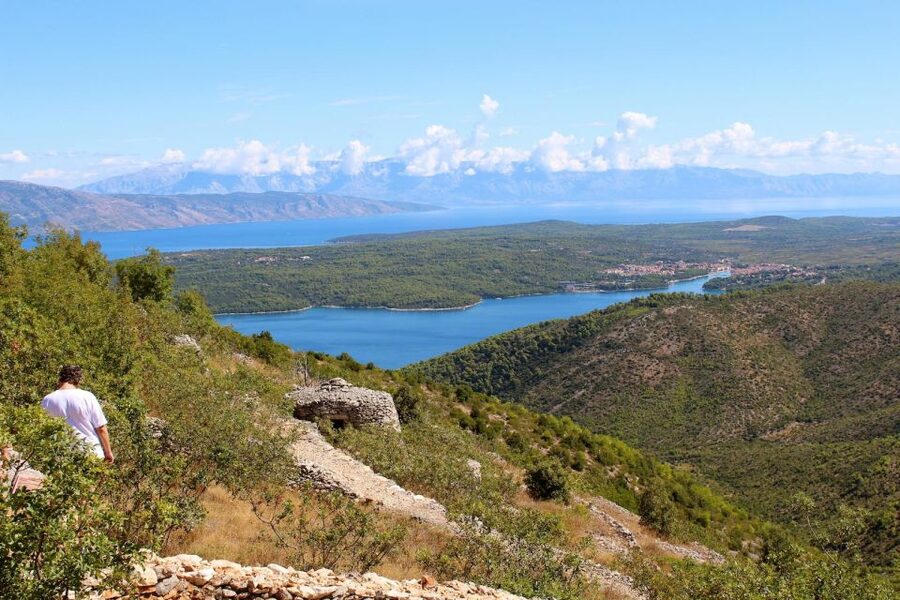
One of the possible sightseeing stops is Napoleon Fortress, high above Hvar Town. From here, you get a broad view across the island and out toward the surrounding Adriatic.
A clear day can bring distant islands into view, including Biševo. The stop is especially worthwhile early in the day, before the winery visits begin, because it gives you a sense of Hvar’s shape and scale. You are not just heading to a cellar in an isolated corner of the island. You are crossing a long, mountainous island with villages, vineyards, and sea on every side.
Bring a camera, but wear proper shoes. The tour notes specifically recommend comfortable footwear, which is sensible for viewpoint stops and village visits. The exact time spent at each stop is not provided, so you should think of these sights as useful additions rather than a tightly timed sightseeing circuit.
Lavender fields and village history
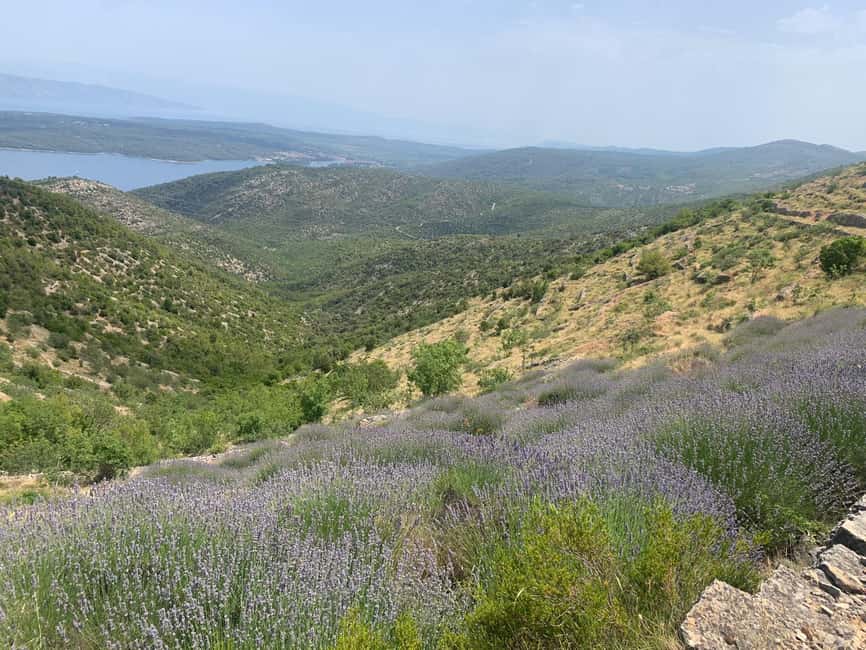
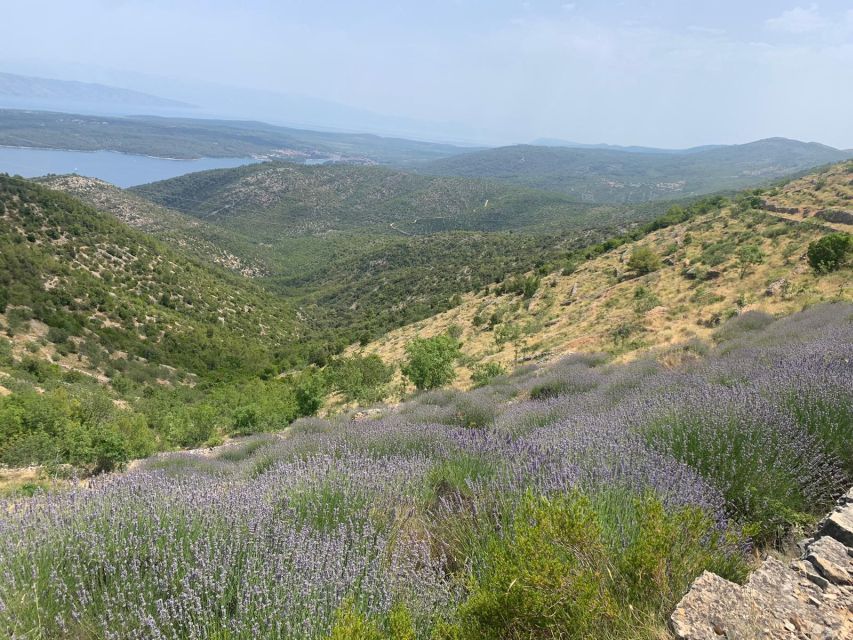
The route can include lavender fields, another familiar part of Hvar’s rural identity. The fields may not look exactly as you expect, particularly outside the best flowering period, but the stop offers useful context about local production.
The island’s agricultural story is broader than wine alone. Lavender, olives, grapes, and other products all fit into the dry, sunny conditions. You’ll hear about how lavender is produced, then continue toward the wine villages.
Another possible stop is Kapelica sv. Rok, a small chapel with local interest. It is the kind of place that can seem modest if you are expecting a major monument, but that is part of the appeal. This route is about seeing the island through small places as well as famous ones.
The tour’s sightseeing stops vary in appeal. Napoleon Fortress delivers the strongest visual reward. The lavender fields depend more on timing and your interest in local agriculture. Kapelica sv. Rok offers a quieter pause and a sense of the island’s village life.
Dubokovic in Jelsa and the craft of a small producer
In Jelsa, you may visit Dubokovic, a young and ambitious producer associated with the Medvid wines. The winery is notable because it works with purchased grapes rather than relying solely on large vineyard holdings.
That approach creates an interesting contrast with the traditional family model. The producer’s belief is that wine made from grapes grown in your own vineyard has a special quality, even when the producer has only a small amount of land. The point is not simply how many hectares a winery owns. It is the relationship between grape source, winemaking decisions, and the final bottle.
Dubokovic and Medvid wines have become sought-after in Croatia’s top restaurants, hotels, and specialist wine shops. The regular vintage wines are described as the most expensive in the country, which gives this stop particular interest for people who care about small-production Croatian wine.
The phrase associated with the tasting is 2718 hours in the bottle. It suggests a focus on time, patience, and the way wine changes after bottling. You’ll get more from this stop if you ask about the grapes, aging, and why a bottle commands its price.
One warning: this is not a broad survey of Hvar wine. You may taste a focused range from one producer, and your visit depends on availability. That makes it more personal, but less predictable than a large commercial cellar.
A few more Vis trips to weigh up
- Hvar: Wine & Chocolate Tasting
★ 5.0 · 3 reviews - Split: Krka Waterfalls With Boat Cruise, Wine and Olive Oil
★ 4.3 · 1,507 reviews - Sunset Sea Kayaking and Wine Dubrovnik
★ 5.0 · 949 reviews - Split/Trogir: Krka National Park Day Trip with Wine Tasting
★ 4.7 · 925 reviews
Carić wines in Vrboska
The Carić family has been involved with vineyards for generations, but began making its own wines after establishing Vino Hvar. Their five hectares sit in the designated Vinogorje Hvar wine-growing area.
This stop offers a different story from Dubokovic. Here, you get a family connection to vineyards and a defined growing area, with wines described as having an individual story from vineyard to winery.
That distinction is valuable. Two tastings allow you to compare a smaller, newer approach with a family-based producer rooted in Hvar’s vineyard tradition. You can pay attention to how the wines differ in style, how each host presents the bottles, and how food pairings change your impression of each wine.
The experience is not described as a formal wine class, so do not expect a technical lecture with a fixed lesson plan. Hosts explain the wines and pairings, but the tone is likely to be more conversational. If you are curious, ask questions as you taste.
Ventus in Vrisnik and the role of wind
Ventus opened in Vrisnik in 2019 as the shared project of two friends. It is the newest and most modern-sounding option among the possible winery visits.
Its identity is built around wind. The logo draws on the wind rose, each wine takes the name of a local wind, and the winery follows an ecological approach. That gives you a clear theme to follow from vineyard to bottle.
Ventus can be a good match if you like smaller producers with a strong sense of place and a clear visual identity. The winery is also a reminder that Hvar’s wine culture is not frozen in the ancient past. New producers are working with old island conditions and finding their own way to present the result.
The two wineries are selected according to availability. You should not book this tour expecting a guaranteed visit to all three. The value comes from tasting at two producers and comparing them, not from checking off every name.
What the two tastings are like
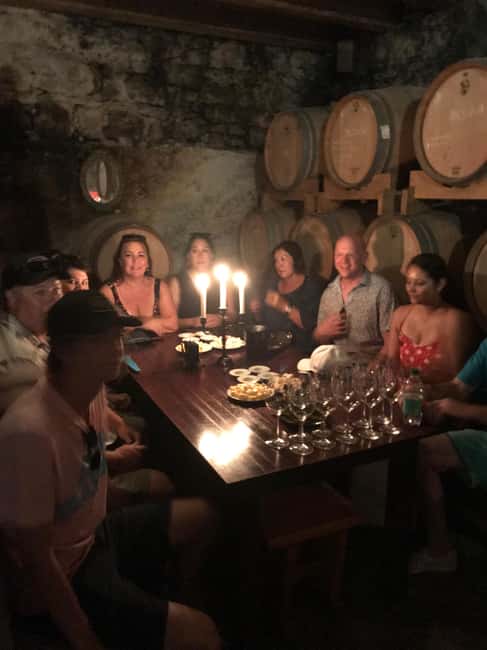
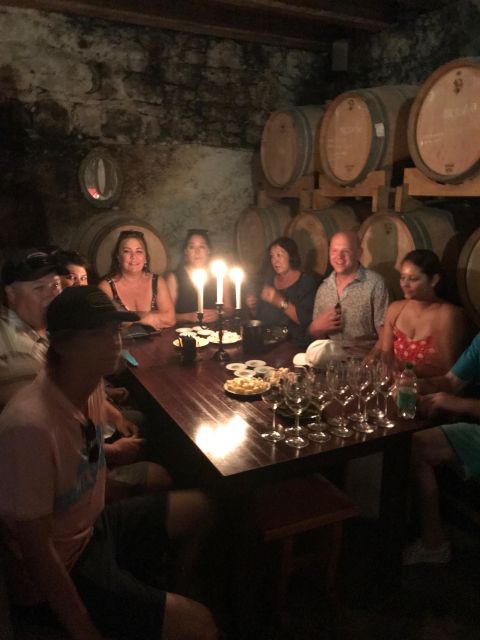
The two winery visits have different setups, which helps prevent the day from feeling repetitive. At each one, you’ll taste local wines and hear about the producer’s methods and food pairings.
I would treat the tastings as a chance to learn how Croatian wine fits with local food, rather than as a race through a long list of glasses. Hvar wine is tied closely to the island’s dry climate, vineyards, and traditional cooking. Pay attention to what is poured with cheese, smoked ham, fish, or meat.
Cash is listed among the recommended items to bring. The tour price includes the driver, two wine tastings, and dinner, but the information does not state whether extra bottle purchases or other personal spending are included. Carrying some cash is practical for any optional purchases or small expenses.
You should also tell the operator about allergies in advance. The meal includes fish, meat, dairy, and wine, so this is not a detail to leave until you sit down at the table.
A Dalmatian dinner in a quiet village
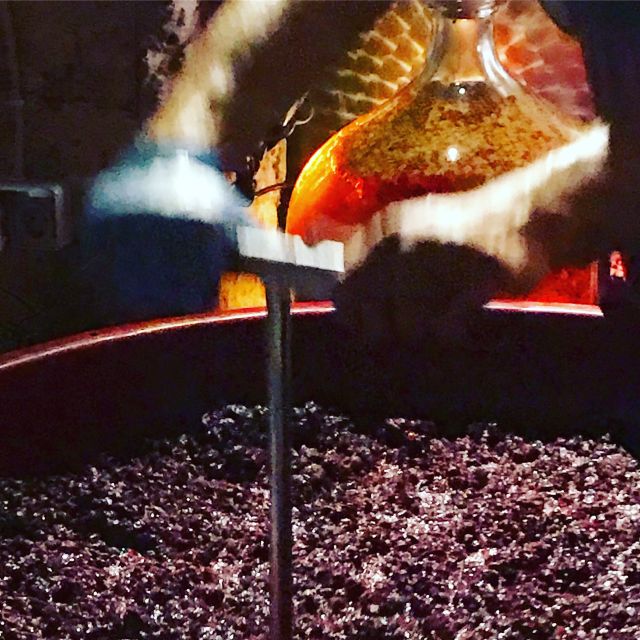
After the winery visits, you’ll sit down to a traditional Dalmatian dinner in a village setting. One reported dining stop is Konoba Zbondini in Vela Grablje, a quiet village away from the busy waterfront of Hvar Town.
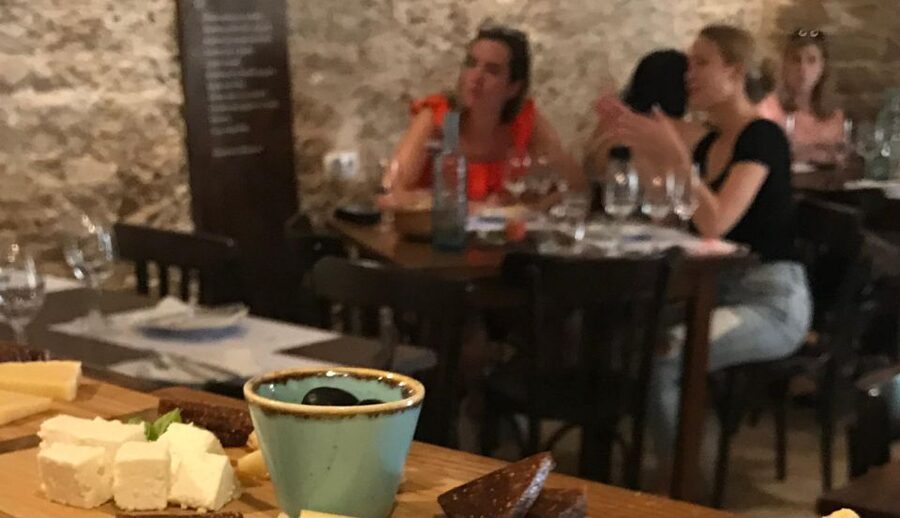
The listed starter includes local cheese and smoked ham, island extra virgin olive oil, and marinated fish. That is a good introduction to Dalmatian cooking because it brings together preserved meat, local dairy, seafood, and olive oil before the main course arrives.
For the main dish, you choose between fish Gregada and meat Pašticada. Gregada is a fish stew with potatoes, a simple dish that lets the seafood and olive oil do much of the work. Pašticada is a slow-cooked Dalmatian beef stew served with gnocchi, and it is the heartier choice.
Dessert is listed as the daily dessert. At the Vela Grablje meal, lavender cheesecake was served instead of the almond dessert suggested in some earlier plans. That is a useful reminder that the menu can change. You may receive a local variation rather than one exact promised sweet.
Local wine and water are included with the meal. This is one of the strongest parts of the tour because dinner gives the tasting a cultural setting. You are not only sampling wine in a cellar. You are seeing how it works with the food people eat on the island.
The value of $276 per person
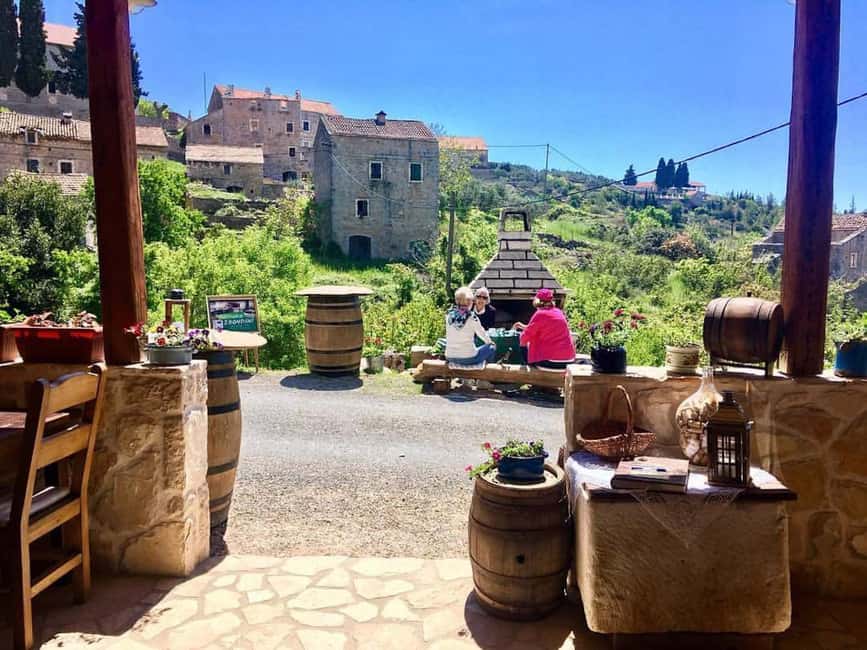
At $276 per person, this tour costs far more than a basic Hvar wine tasting. You are paying for private transport across the island, a small-group experience, two winery visits, sightseeing stops, and a full dinner with local wine.
That can be good value if you would otherwise need to arrange a car, find a driver, book two wineries, and organize a restaurant. The cost also makes more sense for couples and small groups who want the convenience of one planned day.
It is less compelling if your main aim is simply to taste Croatian wine. Hvar Town may offer less expensive ways to sample local bottles, and this tour includes a long transfer that you may not value if you are short on time.
The tour received an overall rating of 4.8 from five ratings, with especially strong praise for the driver, the views, the two different tastings, and the dinner. I would place the greatest weight on the personal transport and food, since those are harder to arrange well on your own.
Why the driver matters
The driver is more than a person behind the wheel. Kinko has been praised for collecting people in Hvar Town, explaining island history, and guiding the day between the viewpoints, wineries, and dinner.
That makes a difference on Hvar, where the experience depends on moving between scattered places. A driver who can add local context helps the route feel connected rather than like a series of unrelated stops.
You should still keep your expectations clear. The information does not provide a fixed duration or a guaranteed list of sightseeing stops. The day may change with winery availability and local conditions, so think of the route as a flexible island outing built around two tastings and dinner.
Who should book this wine tour
I would recommend it most strongly to:
- Couples celebrating a honeymoon or special occasion
- People staying in Hvar Town without a rental car
- Wine drinkers who want to compare small Croatian producers
- Food-focused visitors who prefer a full local meal to a quick tasting
- First-time visitors who want scenery and village stops included
It may not suit you if you want a short, highly structured wine lesson, a guaranteed visit to one specific winery, or a low-cost activity. It also may feel too long if you have only a brief stay on Hvar and want to spend most of your time in town.
The small-group design is a good middle ground. One honeymoon booking became a private outing, but the minimum is two people, and the tour can be cancelled if there are not enough passengers. If that happens, the operator will try to offer an alternative, or provide a full refund if no alternative is possible.
Practical advice before you go
Wear comfortable shoes and bring a camera. The viewpoint and village stops are more enjoyable when you are ready for short walks rather than dressed only for dinner.
Bring cash, and tell the operator about allergies before departure. English is the listed language for the experience.
The booking terms are fairly flexible: you can reserve and pay later, and cancel up to 24 hours in advance for a full refund. Keep in mind that the minimum of two people still applies after confirmation.
Should you book the Hvar Wine Tour and Dalmatian Dinner?
Book it if you want Hvar’s wine country as a complete day out, with transport, local stories, two tastings, and a traditional meal handled for you. The strongest reasons are the personal driver, the comparison between different winery styles, and the chance to eat in a quiet village rather than return to Hvar Town for a standard restaurant dinner.
Skip it if $276 feels high for a wine day, or if you only want a short tasting close to your hotel. The price is justified by the distance, dinner, and guiding, but only if you value the whole island experience. For honeymooners, food lovers, and visitors without a car, it is one of the more useful ways to connect Hvar’s wine, villages, and cooking in one outing.
FAQ
Where does the Hvar wine tour begin?
The tour begins in Hvar Town and travels to the island’s main wine-growing region on the other side of Hvar.
How many wineries do you visit?
You visit two wineries. The choices depend on availability and may include Dubokovic, Carić, or Ventus.
Is transportation included?
Yes. A driver is included, with collection in Hvar Town and transport between the sightseeing stops, wineries, dinner, and Hvar.
What food is served at dinner?
The starter includes local cheese, smoked ham, island extra virgin olive oil, and marinated fish. The main course is either Gregada fish stew with potatoes or Dalmatian Pašticada beef stew with gnocchi. Dessert is the daily dessert.
Are drinks included with dinner?
Yes. Local wine and water are included.
What should I bring?
Bring comfortable shoes, a camera, and cash. You should also provide allergy information before the tour.
Is the tour available in English?
Yes. English is the listed language for the experience.
More Dining Experiences in Vis
- Dolphin Watching Tour – 85% Chance – Drinks & Dinner Included
★ 4.5 · 575 reviews - Pula: Dolphin Sunset Cruise to Brijuni with Dinner & Drinks
★ 4.6 · 511 reviews - Pula: National Park Brijuni Dolphin Cruise with Dinner
★ 4.5 · 423 reviews - 3hours Dolphin Sunset watching with unlimited drinks +dinner
★ 4.4 · 401 reviews
More Dinner Experiences in Vis
- Dolphin Watching & Sunset Boat Tour With Dinner and Drinks
★ 5.0 · 1,075 reviews - Pula: Brijuni Sunset Dolphin Cruise with Dinner & Drinks
★ 4.5 · 764 reviews - Fantastic DOLPHIN & SUNSET TOUR with dinner ( Pula-NP BRIJUNI )
★ 5.0 · 618 reviews - Pula: Brijuni National Park Sunset, Dolphins & Dinner Cruise
★ 4.7 · 607 reviews
Just added around Vis
- Split: Private Boat Rental★ 4.6 · 5 reviews
- Private speedboat tours Sea Symphony★ 5.0 · 6 reviews
- Blue Cave & Island Treasures: Komiža & 5 Gems Boat Tour★ 5.0 · 3 reviews
- Hvar: Wine & Chocolate Tasting★ 5.0 · 3 reviews
- Blue Cave, Mamma Mia and 5 top destinations: From Trogir★ 5.0 · 3 reviews
- from Split- ** 5 island tour with visiting Blue Cave, Hvar**★ 4.7 · 4 reviews
- Blue Cave & 6 Island Journey from Split★ 4.4 · 5 reviews
- Blue Cave speedboat trip from Trogir★ 4.9 · 3 reviews
Wine Tasting Tours, compared.
Krka National Park Tour with tour Guide & Wine tasting from Split & Trogir
Read our review →
Krka Waterfalls, Food & Wine Tasting, Boat Ride & Zadar Old Town
Read our review →
Dubrovnik Gastronomy: 3-Hour Food and Wine Tour
Read our review →
Korcula Buggy (Official) Safari Tour -Local Food & Wine Tasting-
Read our review →Browse the lists this tour appears in