
Reviewed · CROATIA
Give Bees a chance!
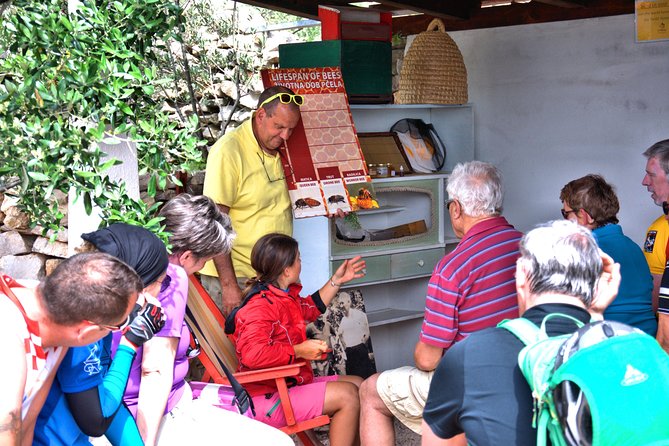
The most unusual part of this Šolta experience is also the most memorable: you can watch the inner workings of a real beehive without putting your hands or face anywhere near a cloud of angry bees. Beekeeper Goran explains the colony, honey production, pollen, royal jelly, and propolis in a way that works for both curious adults and children.
I like the personal scale, with no more than 15 people, and I like the clear local connection. This is a family beekeeping tradition, not a polished show built for large bus groups. The tasting, especially the island’s rosemary honey, gives the talk a delicious finish. The main drawback is the short one-hour format. If you want a long farm visit or a full meal, this is not that kind of outing.
In This Review
- Key points before you book
- Why this one-hour Šolta visit is worth your time
- Meeting Goran and hearing the family story
- Seeing inside a real beehive
- Tasting rosemary honey and bee products
- The worldwide honey collection
- How the pickup and timing affect your day
- Who will enjoy this activity most
- Practical value, cancellations, and what to expect
- Should you book Tvrdic Honey on Šolta?
- FAQ
- Where does the bee experience start?
- Where does the activity finish?
- How long does the experience last?
- Is pickup included?
- Is the experience offered in English?
- What is the cancellation policy?
Key points before you book
- Watch a live hive safely: See the bees at work through a protected setup without the normal risk of stings.
- Meet third-generation beekeeper Goran: His funny, easy presentation helps make the science clear.
- Taste Šolta honey and bee products: Rosemary honey is a highlight, with propolis products also available to sample.
- Visit a family-run island tradition: Tvrdic Honey has been connected with beekeeping for generations.
- Keep the timing simple: The activity lasts about one hour and ends back at the meeting point.
- Use the included transfer: Hotel and port pickup and drop-off are offered, with Rogač Port as the stated meeting point.
Why this one-hour Šolta visit is worth your time
Šolta is easy to treat as a stop on the way to somewhere else. Ferries arrive at Rogač, people head toward beaches or inland villages, and the island day can pass quickly. This activity gives you a reason to slow down and pay attention to one small but important part of island life.
Bees are not presented as little honey-making machines. Goran talks about their role in food production and the wider problems they face in the modern world. That matters because you leave with more than a sweet sample. You begin to understand why pollination affects what people eat and why protecting bees is a practical concern, not just a nature-lover’s slogan.
The setting also gives the subject a useful sense of place. Šolta is known for island agriculture and family traditions, and the honey visit connects those ideas in a direct way. You see the work behind the jar, hear about the family craft, and taste products linked to the local environment.
At about $30.04 per person, I see this as a fair small outing rather than a bargain-basement stop. The price covers roughly an hour with an experienced beekeeper, a live hive presentation, and tasting. If you already plan to spend time around Rogač or Grohote, the visit adds a focused local activity without taking half your day.
Other Dalmatia days people book alongside this one:
- Whitewater Rafting on Cetina River from Split or Šestanovac
★ 5.0 · 560 reviews - Extreme Canyoning on Cetina River from Split or Šestanovac
★ 5.0 · 262 reviews - Montenegro: Bay of Kotor Day Trip from Dubrovnik English -Español
★ 4.5 · 188 reviews
Meeting Goran and hearing the family story
The experience is led in English by Goran, a member of the family behind Tvrdic Honey. His presentation style is one of the strongest reasons to choose this activity. He uses humor, speaks naturally, and explains the subject without turning it into a technical lecture.
That balance is useful. Beekeeping can quickly become a pile of unfamiliar terms, but Goran connects each one to something you can see or taste. Pollen, royal jelly, propolis, and honey each have a place in the story. You get enough detail to learn something real, but the talk remains friendly and easy to follow.
The family connection also gives the visit a sense of continuity. This is described as a multigenerational beekeeping tradition, with the third generation involved. I like that context because it turns the shop and tasting into part of a working family enterprise rather than a generic souvenir stop.
You should expect a personal talk, not a formal museum tour. That is good news if you enjoy asking questions and hearing stories. It may be less appealing if you prefer a highly structured presentation with printed facts, timed demonstrations, and a long list of exhibits.
Seeing inside a real beehive
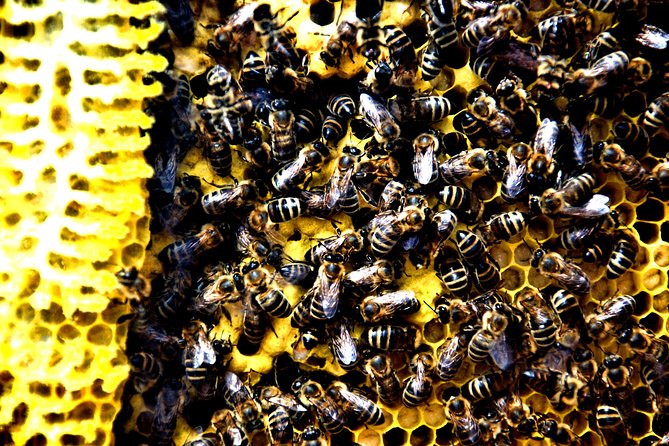
The live hive is the centerpiece. You get to look at the internal workings of an active colony while remaining protected from stings. That makes the visit especially useful for anyone who has only seen bees from a distance or has wondered what is actually happening inside a hive.
Goran explains the secret life of the colony and the jobs carried out by its members. The point is not simply to identify the queen or watch bees crawl over honeycomb. You are shown how the colony functions as a living system and how the products people use come from that process.
This is where the visit earns its place over a standard honey shop stop. A shop can show you jars. The hive helps explain why those jars exist. You can connect the visible activity of the bees with the honey, pollen, propolis, and royal jelly discussed during the presentation.
The display also gives children something concrete to watch. Most travelers can take part, and the small maximum of 15 people should make it easier to see and hear than in a large group. Still, the experience is not described as a hands-on hive opening. You should expect safe viewing and explanation, not protective suits or direct handling of the colony.
Tasting rosemary honey and bee products
The tasting is the most immediately enjoyable part of the visit. You can try several honeys from Šolta, with rosemary honey receiving particular praise for its strong island character. Its flavor is tied to the plants that grow in the area, so this is a small but tasty way to experience local food.
You may also sample propolis products. The talk explains that bees produce far more than honey, and the tasting gives you a chance to see how some of those products are used. The range helps make the presentation feel practical instead of abstract.
I would give the tasting your full attention rather than treating it as a quick free sample. Compare the varieties, ask Goran what makes them different, and notice how the flavor changes from one jar to the next. The supplied information does not list every honey variety or promise a fixed tasting menu, so the exact selection may vary.
Food, drinks, and lunch are not included. That is worth noting if you are planning the activity around a ferry arrival or a full day out. The honey tasting is part of the experience, but it should not be treated as a meal.
The family shop is also a natural place to buy honey or related products if you want to take something home. Purchases are not included in the tour price, and the activity is more about learning and tasting than shopping. Still, buying a jar directly supports the family tradition you have just seen.
Same stretch of coast, a completely different day out:
- Adrenaline Quad Safari Tour
★ 5.0 · 177 reviews - Canyoning on Cetina River from Split or Šestanovac
★ 5.0 · 173 reviews - Dubrovnik Airport Transfer (Private transfer)
★ 5.0 · 135 reviews - Islands & Caves Private Tour with pickup, drinks & fuel included
★ 5.0 · 102 reviews
The worldwide honey collection
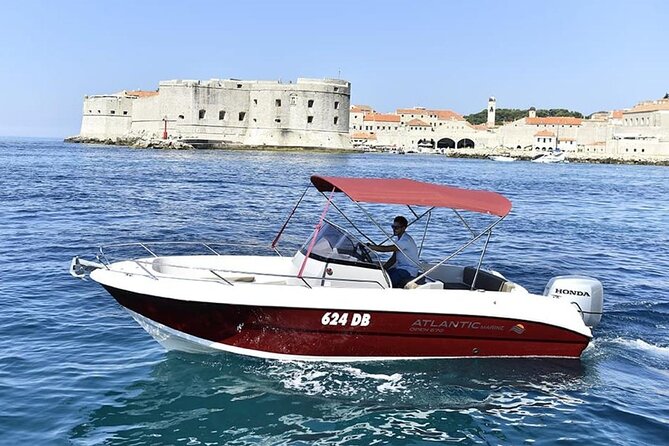
One of the more curious features is the collection of honeys sent from all continents. The family describes it as one of the largest honey collections in the world. Even if you treat that claim cautiously, the idea is fun and gives the visit a wider reach than Šolta alone.
The collection lets you think about honey as a record of place. Different plants, climates, and beekeeping traditions can shape what ends up in a jar. It also fits the larger message of the experience: bees matter across borders, and giving them a chance is a global concern.
Do not expect this one-hour activity to provide a full museum catalog or a detailed tasting of every international sample. The collection is an added feature within a short presentation. Its value is in the sense of connection and curiosity it creates, especially after you have learned how local honey is made.
For children, a display of honeys from around the world can make the subject more approachable. For adults, it adds a nice conversation point and may encourage you to compare the island products with honey you have tasted at home.
How the pickup and timing affect your day
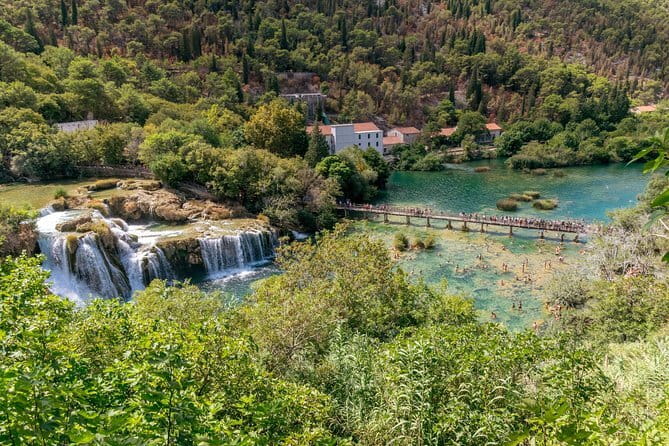
The stated meeting point is Rogač Port, at D112 32, 21430 Rogač, Croatia. The activity ends back at the meeting point, and hotel or port pickup and drop-off are offered. That can make the experience easy to fit into a Šolta visit, especially if you are arriving by ferry and do not want to arrange separate transport.
Because the visit lasts about one hour, it is a compact choice. You can learn something distinctive without giving up the whole day. The short duration also makes it easier to pair with other island plans, though you should allow extra time around the stated start if you are coordinating ferries or a hotel transfer.
The small-group limit is 15 people. That is not a private tour, but it is still modest enough for a more direct exchange with Goran. The benefit is greatest if you want to ask questions or need to stay close to the hive display. A full group could feel less intimate than a family visit, but it should remain far more manageable than a large coach outing.
The activity is offered in English. Confirmation is provided when you book, and the child rate applies only when a child shares with two paying adults. Most people can participate, according to the available information.
Who will enjoy this activity most
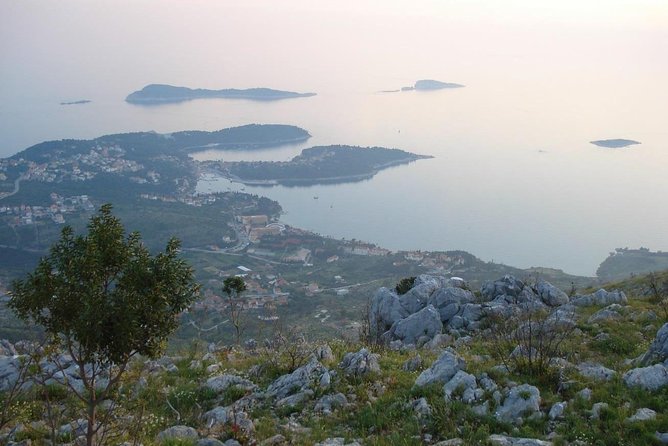
I would recommend it to families, food-focused visitors, nature lovers, and anyone looking for a short activity with a strong local connection. The age range can be broad. A family group, a mixed-age biking group, or a couple can all get something from the visit because the talk combines science, humor, tasting, and island tradition.
It is also a good choice if you want an experience that supports a local producer directly. You are not simply looking at a landscape or passing through a shop. You are meeting the person who explains the work, seeing a living hive, and learning why the products matter.
The activity suits you less if you are allergic to bee products, strongly uneasy around bees, or hoping for an active outdoor adventure. The hive is protected, but the theme remains bees, and the visit centers on listening, watching, and tasting. It is also not the right pick if lunch, drinks, or a long farm stay are essential parts of your plan.
The English presentation is another factor. Goran’s humor is part of the appeal, so you will get the most from the experience if you are comfortable following an informal talk in English.
Practical value, cancellations, and what to expect
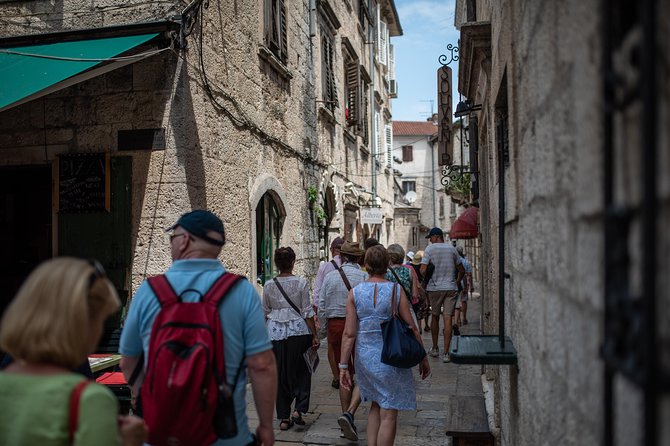
The $30.04 price is easiest to justify when you value a personal introduction to local food and craft. You receive transport assistance, a guided presentation, live hive viewing, and tasting within about an hour. For a short stop, that is a solid amount of content.
The price does not include lunch, drinks, or other food and drinks. It also does not automatically cover products you choose to buy afterward. Plan for the activity as a tasting and educational visit, not a full meal or shopping package.
Free cancellation is available if you cancel at least 24 hours before the start time. If you cancel later, the amount paid is not refunded, and changes made inside that 24-hour window are not accepted. The cut-off follows local time, so check your ferry and island plans before booking.
The activity is often reserved well ahead of time, with an average booking lead time of 36 days. That suggests you should not assume you can simply turn up and join the talk, particularly if your visit falls during a busy season. The shop and the scheduled experience may not be the same thing, so booking the presentation is the safer plan.
Should you book Tvrdic Honey on Šolta?
Book it if you want a short, personable island experience with real content behind it. Goran’s humor, the live hive, and the chance to taste rosemary honey make this more memorable than a standard shop visit. The included port or hotel transfer also helps if you are building a day around Rogač.
Skip it if you want a full meal, a long outdoor tour, or a hands-on beekeeping session. The format is compact, and the main activity is a talk with viewing and tasting.
For most visitors with an hour to spare, I think this is an excellent use of time. You get a closer look at bees, a better understanding of their role in food and nature, and a taste of Šolta that fits neatly into a larger island day.
FAQ
Where does the bee experience start?
It starts at Rogač Port, D112 32, 21430 Rogač, Croatia.
Where does the activity finish?
The activity ends back at the meeting point in Rogač.
How long does the experience last?
The experience lasts approximately one hour.
Is pickup included?
Yes. Hotel and port pickup and drop-off are included.
Is the experience offered in English?
Yes. The activity is offered in English.
What is the cancellation policy?
You can cancel at least 24 hours before the start time for a full refund. Cancellations or changes made less than 24 hours before the start time are not accepted for a refund.
Just added around Dalmatia
- Zrce Booze Cruise – Novalja Boat party★ 4.5 · 26 reviews
- Wine Tasting & Winery Tours★ 5.0 · 7 reviews
- Vis sandy beach Stand Up Paddle Tour★ 5.0 · 16 reviews
- Vis Military Tour★ 5.0 · 53 reviews
- Stiniva, Green Cave, Blue Lagoon & Secret places★ 4.5 · 23 reviews
- Half-Day River Rafting in Zrmanja★ 5.0 · 7 reviews
- Snorkeling tour Makarska Riviera, islands of Hvar or Brač★ 4.0 · 14 reviews
- Canoe safari adventures at Zrmanja river day tour★ 5.0 · 11 reviews