Reviewed · PRIVATE
Dubrovnik to Athens; Semi – Private tour with Tour Leader & Car
Most of Europe’s great cross-border journeys stay on the familiar trail. This one does not. In 14 days, you move from Dubrovnik through seven Balkan countries, crossing from Croatia into Bosnia and Herzegovina, Montenegro, Kosovo, Albania, North Macedonia, and Greece. The reward is a steady stream of old bazaars, Ottoman homes, Orthodox monasteries, mountain towns, lakes, and small food producers.
I like the maximum group size of 10, which keeps the private car practical and gives you a real chance to ask questions. I also like the mix of major sights and local encounters, from Sarajevo coffee and Tirana street food to a handmade paper workshop in Ohrid and a family winery in southern Albania. The main drawback is the amount of time on the road. A few days are long, and Meteora and Athens receive less time than their importance deserves.
In This Review
- Key points to know before you book
- Why this route works for curious, energetic sightseers
- Day 1: Mostar’s bridge and an Ottoman riverside home
- Day 2: Sarajevo, war memories, and Turkish coffee
- Day 3: Blagaj’s spring and Kotor’s stone lanes
- Day 4: Budva, Sveti Stefan, and northern Albania
- Day 5: Farm food and Prizren’s Ottoman center
- Day 6: Kosovo bazaars, Deçan monastery, and Rahovec wine
- Day 7: Kruja’s hilltop resistance and old bazaar
- Day 8: Tirana through food and neighborhood markets
- Day 9: Struga, Lake Ohrid, and handmade paper
- Day 10: Saint Naum and Albania’s Drilon springs
- Day 11: Berat’s 1,001 windows and Onufri’s colors
- Day 12: Gjirokaster’s stone houses and a family winery
- Day 13: Ioannina and Meteora at sunset
- Day 14: Athens or the Igoumenitsa ferry
- What the price includes, and what you still pay
- Should you book this Balkan crossing?
- FAQ
- How long does the tour last?
- How many people can join the tour?
- What language is the tour offered in?
- What accommodation is included?
- Is transportation included?
- Are meals included?
- Where does the tour start?
- Can the tour end in Corfu instead of Athens?
Key points to know before you book
- Seven countries in 14 days: A rare route linking the Adriatic, inland Balkans, Lake Ohrid, and central Greece.
- Small-group travel: The tour accepts no more than 10 people, with a tour leader and private transportation.
- Strong UNESCO focus: Mostar, Kotor, Ohrid, Berat, Gjirokaster, Meteora, and several religious sites are part of the route.
- Local food is built in: Tirana includes a guided food tour, while other days offer farm, market, and winery stops.
- Three-star lodging and breakfast: Hotels, taxes, fuel, road charges, and site admission are included, but lunches and dinners are not.
- Plan for long drives: The route covers a lot of ground, and some days leave limited free time in major towns.
Why this route works for curious, energetic sightseers
This is not a leisurely coastal holiday. It is a moving tour for people who want to understand how the Balkans fit together. In a single trip, you see Islamic, Catholic, Orthodox, and Jewish heritage, traces of the Ottoman and Austro-Hungarian worlds, reminders of the Yugoslav War, and modern cities finding their footing.
The private car matters here. Many old towns have narrow streets, steep approaches, and awkward parking. A driver who knows the roads can save time and reduce stress, especially around Kotor, Gjirokaster, Prizren, and Berat. Past participants have singled out drivers such as Eri for handling tight mountain roads and traffic with care, while guides including Sokol, Neli, Gerion, and Juli have been praised for clear explanations and friendly service.
The price is $6,020.56 per person. That is a serious sum, but it covers 13 nights in three-star accommodation, private transport, fuel, international car insurance, road taxes, tourist taxes, the tour leader, and entry fees for scheduled sights. It also includes breakfast every morning and the Tirana food tour.
Still, do the arithmetic carefully. The price is based on double, twin, triple, or quadruple room occupancy, and you pay separately for lunches, dinners, drinks, snacks, and personal purchases. If you are traveling alone, ask how the single-room arrangement changes the cost before paying.
A few more Dubrovnik trips to weigh up
- Mostar and Kravice Waterfalls Tour from Dubrovnik (Semi-Private)
★ 5.0 · 3,125 reviews - Dubrovnik: Blue & Green Caves Private Boat Tour with Drinks
★ 4.7 · 814 reviews - Dubrovnik Private Speedboat Tour to Elaphite Islands with Drinks
★ 5.0 · 660 reviews
Day 1: Mostar’s bridge and an Ottoman riverside home
Your Dubrovnik pickup begins at 7:30 a.m. A local driver collects you from the nearest reachable point within Dubrovnik Town, then takes you to the border to meet the tour leader. This is important if your hotel sits inside a pedestrian-only section. Cars cannot reach every part of the old town.
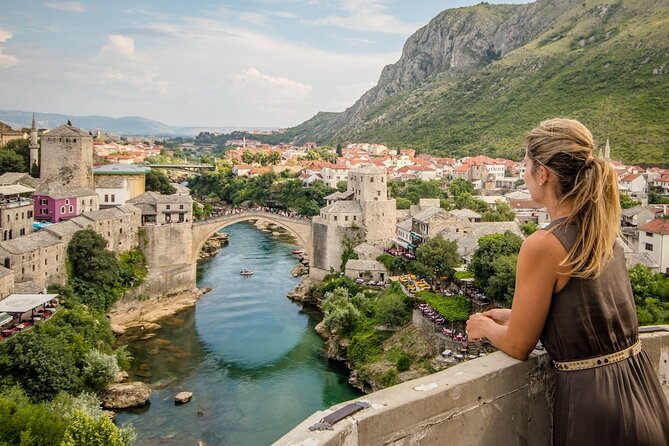
Crossing into Bosnia and Herzegovina, you head for Mostar. The famous Old Bridge, or Stari Most, is the visual anchor, but the surrounding Old Bazaar makes the visit worthwhile. Cobblestone lanes, old mosques, Turkish-style shops, and the repeated Don’t Forget stones give the city a strong sense of place.
The scheduled bridge and bazaar visit lasts about an hour, followed by 30 minutes at Bišćevića Kuća. This 17th-century Ottoman home offers something different from a grand monument: a look at domestic life, with the river close by and the rooms preserved in an intimate style.
The time is short, so you will get an introduction rather than a full Mostar stay. If you want a slow walk across the bridge, a longer market visit, or time for the city’s museums, consider adding a separate night in Dubrovnik or Mostar.
Day 2: Sarajevo, war memories, and Turkish coffee
The drive from Mostar to Sarajevo brings a major change in setting. Sarajevo’s story reaches from the medieval Bosnian Kingdom through Ottoman rule, Austro-Hungarian administration, and the Yugoslav War.
The walking portion covers uneven ground and includes damaged areas where bullet holes and cannon marks remain visible. Wear firm shoes and expect some time on foot. The old city brings together mosques, churches, synagogues, markets, and Austro-Hungarian buildings, which explains why Sarajevo is often described as a European Jerusalem.
At Latin Bridge, you hear how the assassination of Archduke Franz Ferdinand helped trigger the First World War. The bridge itself is modest, but its place in world events gives the stop unusual weight.
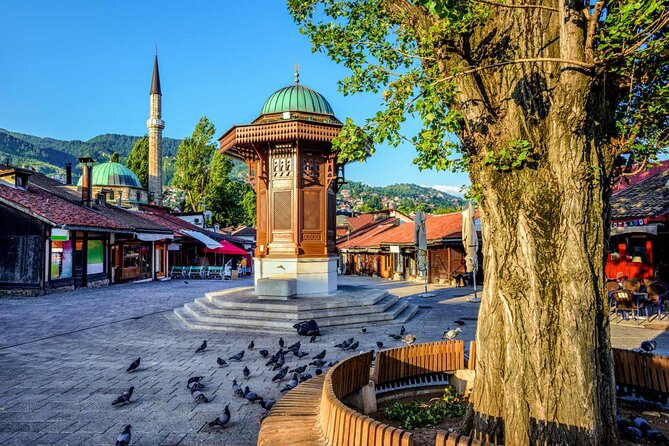
The day includes a complimentary Ottoman-style coffee or tea at Caffe Divan. Take it slowly. Sarajevo coffee is thick, strong, and served as a social ritual, not a rushed caffeine stop. With about two hours allotted around Latin Bridge and the café, this is one of the more relaxed cultural sections of the tour.
Day 3: Blagaj’s spring and Kotor’s stone lanes
Blagaj, just outside Mostar, brings a change from urban history to water and scenery. The Buna River rises from a powerful spring below a cliff, beside an Ottoman-era settlement. The stop lasts about an hour and gives you time to see the setting and the historic religious architecture.
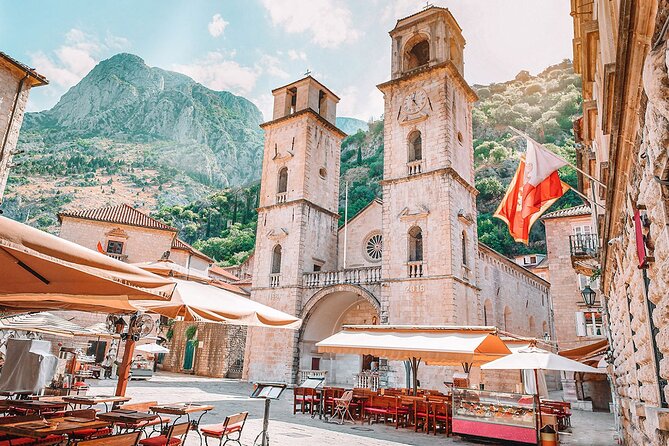
Later, you cross into Montenegro and reach Kotor, one of the route’s great old towns. Its narrow streets were laid out in a confusing pattern to frustrate attackers. Today, that maze is part of the pleasure, though it is easy to lose your bearings.
You visit Saint Luke’s Church and then have free time. Look for dated plaques on old buildings, small churches tucked into lanes, and corners where the mountains press close behind the town. Kotor receives around two hours of organized and independent time, so this is a good place to wander without a fixed program.
Same stretch of coast, a completely different day out:
- Blue Cave Small-Group Boat Tour from Dubrovnik
★ 5.0 · 9,360 reviews - Full-Day Dubrovnik Elaphite Islands Cruise with Lunch and Drinks
★ 5.0 · 8,823 reviews - Dubrovnik: Epic Game of Thrones Tour + Lokrum & Saver Option
★ 4.9 · 5,995 reviews - Dubrovnik: Elaphiti Islands Full-Day Cruise with Lunch
★ 5.0 · 5,938 reviews
Day 4: Budva, Sveti Stefan, and northern Albania
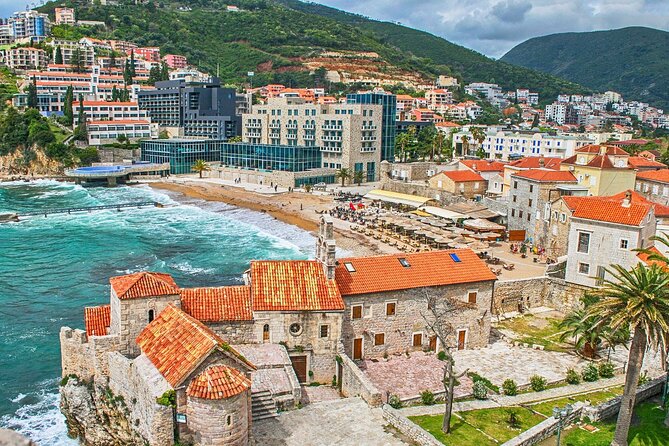
Budva offers a different side of Montenegro. The modern section is filled with shops, restaurants, bars, and newer buildings, while the old town keeps its medieval churches and stone lanes. The formal visit lasts about an hour.
The stop at Sveti Stefan is brief, about 30 minutes, and takes place from the coast. The former fishing settlement now operates as an exclusive residential resort, so you cannot visit the island itself. Treat this as a photo stop rather than a full attraction.
In Shkoder, you visit Rozafa Castle for broad views over the lake and the rivers reaching toward the Adriatic. The city’s Venetian influence appears in its architecture and craft traditions. If your trip falls in February, the carnival may add another layer to the visit, with handmade masks produced locally.
The Venetian Art Mask Factory offers a close look at papier-mâché masks made and painted by hand. This is one of the more distinctive stops because it connects local workshop skills with Venetian cultural influence. The visit lasts 30 minutes and admission is included.
Day 5: Farm food and Prizren’s Ottoman center
Mrizi i Zanave is a useful stop for understanding modern Albanian food culture. This slow-food farm gathers, preserves, and develops regional products, while old communist-era buildings have been reused for storage and production.
You receive a farm tour and free time for lunch or shopping. Lunch is not included, so budget for it, but this is exactly the kind of place where paying directly gives you a taste of local produce rather than a standard roadside meal.
In the afternoon, you cross into Kosovo and reach Prizren. The river, stone bridges, medieval houses, and Ottoman buildings make the center pleasant to explore on foot. Prizren is also known for metal filigree, so watch for delicate handmade jewelry and ask the tour leader where to find genuine local work.
The Sinan Pasha Mosque is the main religious visit. Its interior is known for colorful arabesque patterns. Then you climb toward Kalaja Fortress for a view over the town. The organized visits occupy about three hours, with free time afterward.
Day 6: Kosovo bazaars, Deçan monastery, and Rahovec wine
Gjakova’s bazaar is a reminder that craft and trade remain central to daily life. The market was damaged several times in the region’s wars but rebuilt in its older form. Give yourself time to look into artisan workshops rather than simply walking past the storefronts.
The Monastery of Deçan offers a very different experience. Orthodox monks still live there and make food such as cheese. Its UNESCO-listed frescoes show religious scenes and glimpses of 14th-century life. Dress respectfully and follow any security or entry instructions given on the day.
Rahovec Valley shifts the focus to wine. Grapes have been grown here since Illyrian times, and vineyards sit on low hills at roughly 350 to 520 meters. The annual wine festival takes place each September, but the valley remains a worthwhile stop outside festival dates.
You sleep in Prizren that night. This makes sense logistically, though the day has several distinct subjects and can feel full.
Day 7: Kruja’s hilltop resistance and old bazaar
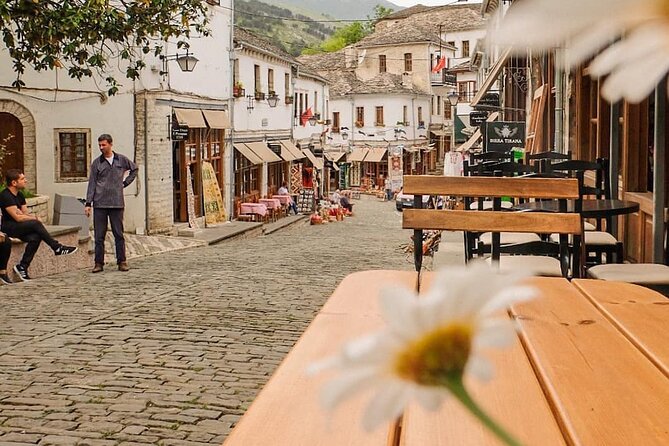
Kruja is one of Albania’s key historic towns. Its old bazaar climbs a rocky slope, lined with wooden buildings and shops selling carpets, jewelry, and handmade souvenirs.
Kruja Castle is tied to Albanian resistance against Ottoman expansion in the 15th century. The tour leader may show you less obvious paths once used to leave the castle during attacks. Admission is included, and the castle visit takes about an hour.
You also have free time for lunch and shopping. This is a good point to buy crafts if you have been waiting, but compare prices and inspect workmanship. The bazaar is designed for browsing, not rushing.
Day 8: Tirana through food and neighborhood markets
Tirana is approached through its food rather than a checklist of monuments. A local companion leads a culinary walk beginning with byrek, the flaky pastry filled with cheese, meat, spinach, or other ingredients.
At Tregu Çam, you see the everyday market side of the capital. Clothing, kitchen goods, produce, and small local products fill the lanes. Bargaining is part of the experience, but keep it friendly and realistic.
Pazari i Ri brings a sit-down Albanian meal made with regional specialties. Grape raki is also included. The food tour lasts about two and a half hours in total, and you should arrive hungry. Lunch elsewhere is not included, but this meal is part of the tour.
I like this day because it gives you contact with ordinary city life. The tradeoff is that Tirana’s major sights receive less attention than its markets and food culture.
Day 9: Struga, Lake Ohrid, and handmade paper
At Struga, you stop for a drink near the source of the Drini River before continuing to Ohrid in North Macedonia. The visit is brief, but the water setting provides a welcome pause after the previous driving days.
Ohrid and its lake have UNESCO status and a long religious tradition. At the Church of Saint John at Kaneo, the viewpoint is the main attraction. The town is known for its many Orthodox churches, while its hilly Ottoman-era homes create narrow lanes, tunnels, and small yards.
The National Workshop for Handmade Paper offers a compact craft demonstration. The method uses techniques associated with the era of Gutenberg, and you can purchase a handmade sheet as a souvenir. Two nights around Lake Ohrid are a smart part of the schedule, giving you more breathing room than most stops on the route.
Day 10: Saint Naum and Albania’s Drilon springs
The Monastery of Saint Naum sits beside the springs of the Crni Drim, within Galicica National Park. Clear water, greenery, and mountain views make this one of the calmer mornings of the tour. Admission is included.
After crossing into Albania, Tushemisht offers a small-scale local encounter. Vendors sell preserves, honey, herbs, and handmade goods. You may want to carry modest cash for purchases, though personal spending is not included.
Drilon National Park surrounds spring-fed water with willow trees and a quiet lake. The stop lasts about an hour and breaks up the drive toward Berat. These two water-based visits provide a pleasant contrast to the castles and city centers earlier in the trip.
Day 11: Berat’s 1,001 windows and Onufri’s colors
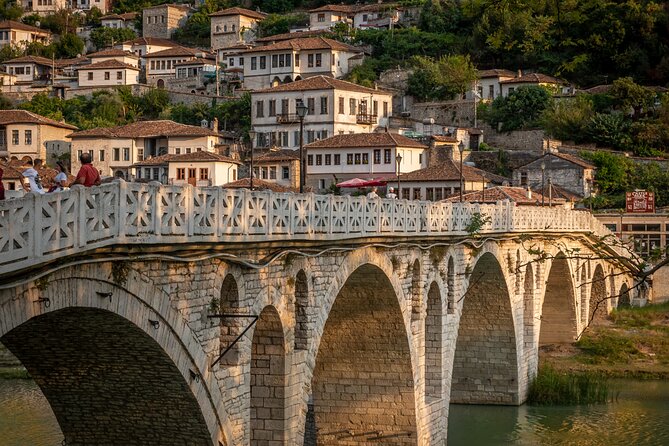
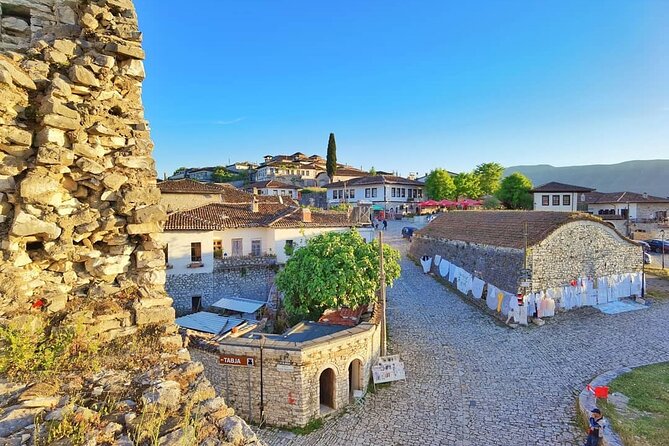
Berat is one of Albania’s finest historic towns. Its steep Ottoman houses appear stacked above one another, creating the famous image of 1,001 windows.
Berat Castle is not simply a ruin to photograph. People still live within its walls, alongside old churches, mosques, museums, and stone lanes. The castle visit lasts about an hour and involves uphill walking.
At the National Iconographic Museum Onufri, you learn about the church painter known for a distinctive reddish color that remains difficult to reproduce. The Gorica neighborhood and bridge complete the day with a view across the river.
Allow extra energy for slopes and uneven stone surfaces. Berat is rewarding precisely because it is not flat or polished into a theme park.
Day 12: Gjirokaster’s stone houses and a family winery
Gjirokaster is another UNESCO-listed Albanian town, but its character differs from Berat. Here, stone roofs and fortified-looking houses climb the hillside below the castle.
The old bazaar leads into narrow, decorated streets filled with local crafts. You also visit one of the best-preserved traditional houses, where the original furnishings and structure remain in place. The combined town visit lasts about three hours.
The Barrels Winery is a family-run vineyard in the countryside. Lunch is available there at your own expense, with local food and a rural setting. It is a pleasant way to end the Albanian portion of the journey before entering Greece.
Day 13: Ioannina and Meteora at sunset
Ioannina brings you into Greece through its old town and Byzantine-era castle. Inside the walls, narrow lanes and historic buildings mix with cafés and places serving Greek food. The organized visit lasts about an hour.
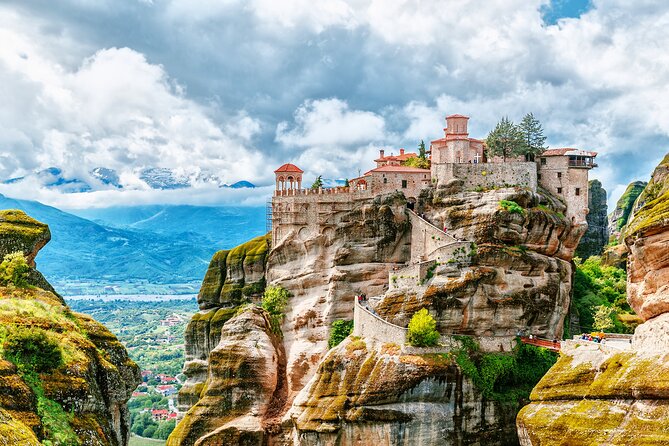
Meteora is the dramatic finale. Monasteries sit on tall rock formations, many dating from the 14th and 15th centuries. The scheduled stop lasts about two hours and aims for sunset, when the stone towers and sky change color.
Here is the practical warning: two hours is not enough for a full visit to the mountaintop monasteries. You can see the setting and perhaps enter a site depending on the schedule, but those who want several monasteries should add a separate Meteora night or arrange extra time.
Day 14: Athens or the Igoumenitsa ferry
The standard ending is hotel drop-off in Athens. The drive from Kalabaka to Athens can be long, with limited sightseeing along the way, so treat this as a transfer day rather than another touring day.
An alternate ending takes you to Igoumenitsa Port, where a ferry ticket to Corfu is included. Confirm your chosen endpoint before booking, since these are different finishes and different onward plans.
What the price includes, and what you still pay
The package includes:
- 13 nights with breakfast in three-star hotels
- Private transportation and a professional tour leader
- Dubrovnik pickup and Athens drop-off
- Fuel, road taxes, international car insurance, and tourist taxes
- Entry fees for scheduled paid sites
- Sarajevo coffee or tea
- The Tirana food tour
- The ferry from Igoumenitsa to Corfu when that ending is selected
You pay separately for lunches, dinners, drinks, snacks, souvenirs, and personal expenses. The hotels are generally small and family-run, and some may be in historic buildings. That can feel personal and atmospheric, but do not book this expecting large resort facilities.
Confirmation is provided at booking, and most people can take part. Because some walks cover steep or uneven ground, assess your own comfort with hills, stone lanes, and repeated days in the car. Travel and health insurance are your responsibility.
The booking is non-refundable and cannot be changed after payment, so check dates, room occupancy, border requirements, and your preferred ending before committing. Weather, strikes, holidays, closures, and other outside events can alter the schedule.
Should you book this Balkan crossing?
Book it if you want maximum cultural range in a single trip, prefer a small group, and enjoy having transport and lodging organized. It is especially good for people curious about Ottoman, Orthodox, Catholic, and Balkan history, as well as those who like food markets, craft workshops, wineries, and old towns more than resort beaches.
Think twice if you dislike long drives, want slow mornings, or need lots of free time in major sights. Meteora, Sarajevo, Tirana, and Athens could all justify longer stays. The tour gives you an excellent first look, not a leisurely study of every place.
At this price, the value comes from the route’s complexity. Seven countries, multiple border crossings, private transport, a small group, included admissions, and a dedicated tour leader would be difficult to arrange alone. If you accept the quick pace and budget for meals and personal spending, this is a strong way to get your bearings across the Balkans without handling every road, hotel, and border crossing yourself.
FAQ
How long does the tour last?
The tour lasts approximately 14 days, beginning in Dubrovnik and normally ending with hotel drop-off in Athens.
How many people can join the tour?
The maximum group size is 10 people.
What language is the tour offered in?
The tour is offered in English.
What accommodation is included?
The package includes 13 overnights with breakfast in three-star hotels. Prices are calculated on double, twin, triple, or quadruple room occupancy.
Is transportation included?
Yes. Private transportation, fuel, road taxes, and international car insurance are included.
Are meals included?
Breakfast is included throughout the overnight portion of the tour. The Tirana food tour is also included. Lunches, dinners, drinks, and snacks are not included.
Where does the tour start?
Pickup begins at the nearest reachable point to your hotel within Dubrovnik Town. The listed meeting point is Platska ul. 7, 20000 Dubrovnik, and the start time is 7:30 a.m.
Can the tour end in Corfu instead of Athens?
Yes. An alternate ending takes you to Igoumenitsa Port, where an included ferry ticket takes you to Corfu Port. The standard ending is hotel drop-off in Athens.
Just added around Dubrovnik
- Full- Day Private Speedboat Tour in Dubrovnik on Elaphiti Islands★ 5.0 · 21 reviews
- Elaphiti Islands Private Dubrovnik Boat Unique Experience★ 5.0 · 10 reviews
- PRIVATE Wine Tour to Konavle country side★ 5.0 · 11 reviews
- Parasailing in Cavtat★ 5.0 · 62 reviews
- Wine tour peninsula Pelješac★ 5.0 · 3 reviews
- Wine Lover’s Tour of Peljesac Peninsula★ 5.0 · 150 reviews
- Welcome to Dubrovnik Walking Tour★ 5.0 · 36 reviews
- Dubrovnik at War 1991-1992 Private Walking Tour★ 5.0 · 4 reviews
Private, compared.
Mostar and Kravice Waterfalls Tour from Dubrovnik (Semi-Private)
Read our review →
Blue & Green Caves Private Boat Tour with Drinks
Read our review →
Dubrovnik Private Speedboat Tour to Elaphite Islands with Drinks
Read our review →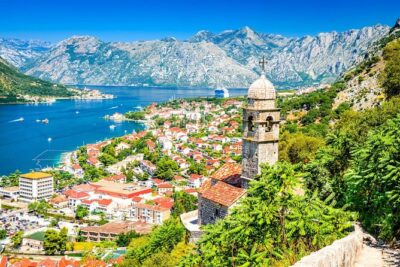
Private Tour: Montenegro Day Trip from Dubrovnik
Read our review →
Private Krka Waterfalls tour with 30min Boat Cruse
Read our review →